


Yala Peak, standing at 5,500 meters (18,044 feet), is one of Nepal’s most popular trekking peaks, offering a rewarding blend of adventure, natural beauty and cultural experiences. Located in the Langtang region, this peak is ideal for beginner climbers and those with limited mountaineering experience who wish to enjoy a high-altitude Himalayan climb without the technical difficulties of higher peaks.
The trek to Yala Peak passes through the picturesque Langtang National Park, where trekkers encounter dense rhododendron and pine forests, alpine meadows and diverse wildlife, including Himalayan tahr, langurs and various bird species. The route also takes climbers through traditional Tamang and Sherpa villages, offering insight into the rich cultural heritage, monasteries and local traditions of the region.
Trekkers begin the journey from Syabrubesi, accessible by road from Kathmandu. The trek gradually ascends through Lama Hotel, Langtang Village and Kyanjin Gompa, allowing proper acclimatization before reaching Yala Peak Base Camp. Summit day involves a guided climb using ropes, crampons and ice axes, with the reward being breathtaking panoramic views of Langtang Lirung, Ganesh Himal and Shishapangma.
Climbing Yala Peak does not require extensive technical skills, but physical fitness and proper acclimatization are essential for a safe ascent. Experienced Sherpa guides provide training on climbing techniques, ensuring both safety and confidence during the summit attempt.
The best seasons for Yala Peak climbing are spring (March–May) and autumn (September–November), when weather conditions are stable, skies are clear, and mountain vistas are at their most spectacular. Accommodation is comfortable in teahouses along the trail, with tented camps at Base Camp and meals are a mix of local and continental options.
Overall, Yala Peak offers a perfect blend of adventure, scenic landscapes and cultural immersion, making it a highly recommended choice for climbers seeking a memorable Himalayan experience.
Yala Peak sits within the Langtang region, and most climbers also explore the surrounding valleys through the Langtang Valley Trek before or after the summit. For a higher and more celebrated Himalayan summit, Island Peak in the Khumbu region offers a comparable trekking peak experience at a greater altitude above sea level.
The ideal seasons for Yala Peak climbing are spring (March to May) and autumn (September to November), when weather conditions are most favorable for trekking and mountaineering.
Spring (March–May): During spring, the trails come alive with vibrant rhododendron blooms, adding stunning colors to the landscape. Temperatures are moderate, snow is manageable at higher altitudes, and skies are generally clear, providing spectacular views of peaks like Langtang Lirung, Ganesh Himal, and Shishapangma. Spring is perfect for climbers who also want to enjoy the lush valleys, alpine meadows, and rich biodiversity along the route.
Autumn (September–November): Autumn is considered the peak trekking and climbing season. The monsoon rains have cleared the skies, leaving crisp, clear views of the surrounding Himalayan ranges. The weather is stable, temperatures are comfortable for trekking, and conditions at higher altitudes are ideal for a successful summit attempt.
Avoid Monsoon and winter:
Yala Peak, at 5,500 meters (18,044 feet), experiences high-altitude mountain weather that can change rapidly. Understanding the climate is crucial for a safe and enjoyable climb.
Tips: Always layer clothing, carry windproof and waterproof gear, and be prepared for sudden weather changes. Proper gear and acclimatization are essential for safety at high altitudes.
Accommodation: During the Yala Peak trek, trekkers stay in a combination of teahouses, lodges, and tented camps. In villages such as Syabrubesi, Lama Hotel, Langtang, and Kyanjin Gompa, comfortable teahouses provide basic rooms with mattresses, blankets, and shared bathrooms. At Yala Peak Base Camp and High Camp, tented accommodation is provided, often shared in pairs, with sleeping bags recommended for warmth. Despite the remote setting, these camps are well-organized to ensure rest and recovery before the summit attempt.
Food: Meals are primarily Nepali and continental dishes, freshly prepared in teahouses and camps.
Popular options include:
Climbers are advised to stay hydrated and eat frequently to maintain energy during trekking and high-altitude climbing. Bringing small snacks, energy bars, or electrolyte powders is recommended for summit days.
Reaching the Yala Peak trailhead is relatively convenient compared to other Himalayan regions, as it is accessible by road from Kathmandu. The journey takes you to Syabrubesi, the starting point of the trek. The drive covers approximately 120 kilometers through winding mountain roads, scenic hills, rivers, and traditional villages, taking around 7–8 hours.
Transportation Options:
During the Yala Peak trek, mobile network coverage is limited and varies by location. Major Nepali networks such as Ncell and Nepal Telecom (NTC) provide intermittent signals in larger villages like Syabrubesi, Lama Hotel, Langtang Village, and Kyanjin Gompa. Signal strength may be weak or unavailable at higher altitudes, especially near Yala Peak Base Camp and the summit.
Tips:
Proper acclimatization is essential for a safe and successful Yala Peak climb, as the peak reaches 5,500 meters (18,044 feet). Gradual ascent and rest days help the body adjust to reduced oxygen levels at high altitudes, reducing the risk of Altitude Sickness (AMS).
Key Acclimatization Strategies:
By following these acclimatization practices, climbers can enjoy a safer and more comfortable experience while attempting the Yala Peak summit.
The Yala Peak trek passes through the Langtang National Park, a region rich in biodiversity. Trekkers can enjoy a variety of flora and fauna while ascending from lower valleys to high alpine zones.
Flora:
Fauna:
The combination of diverse flora and fauna, along with stunning Himalayan scenery, makes the Yala Peak trek an enriching experience for nature enthusiasts and photographers alike.
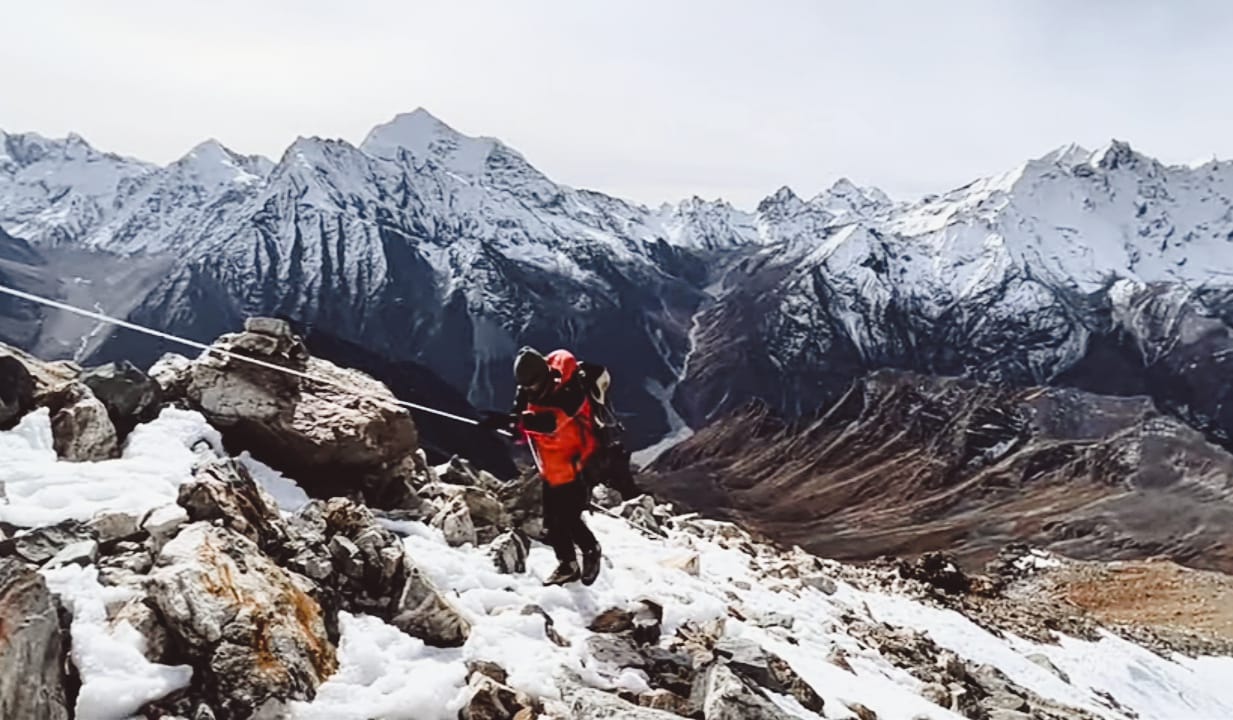
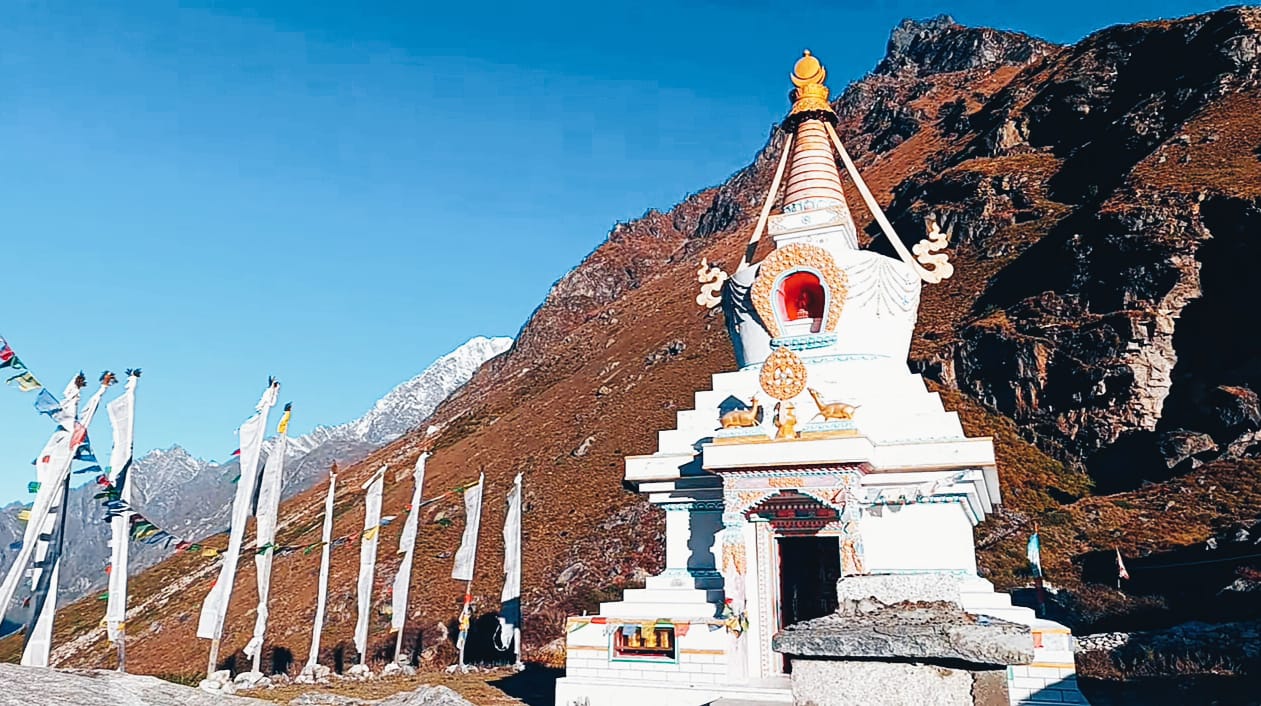
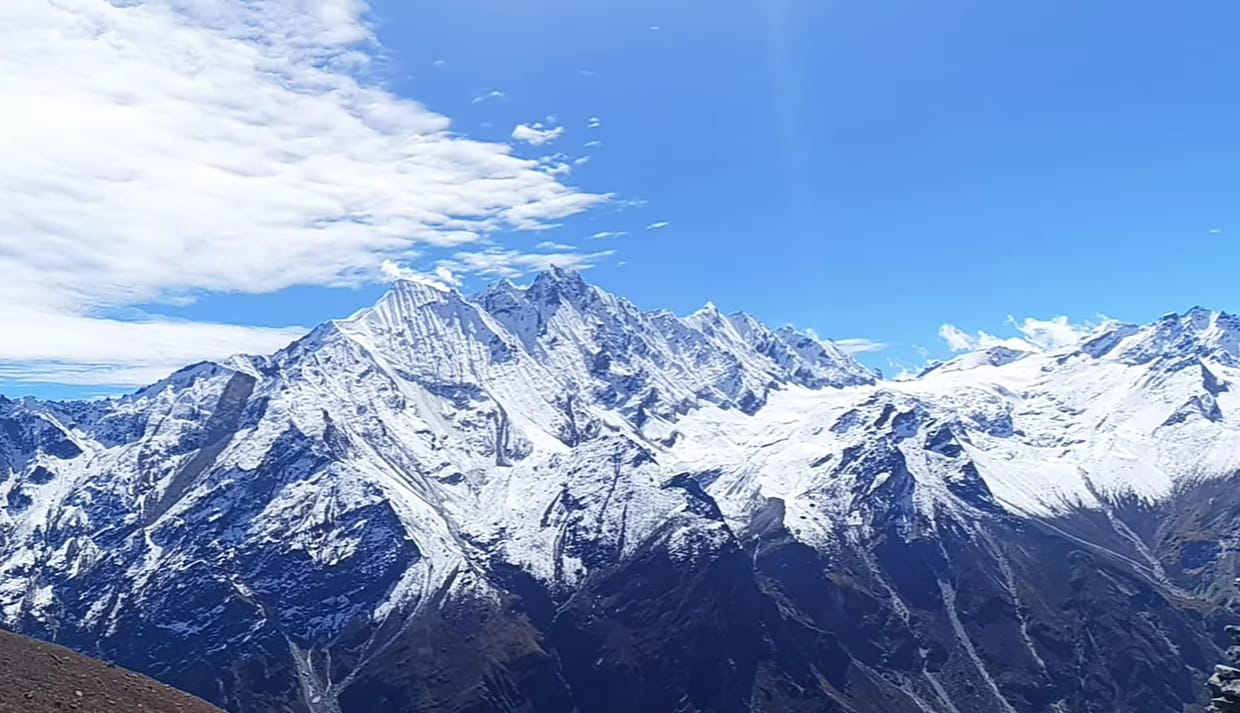
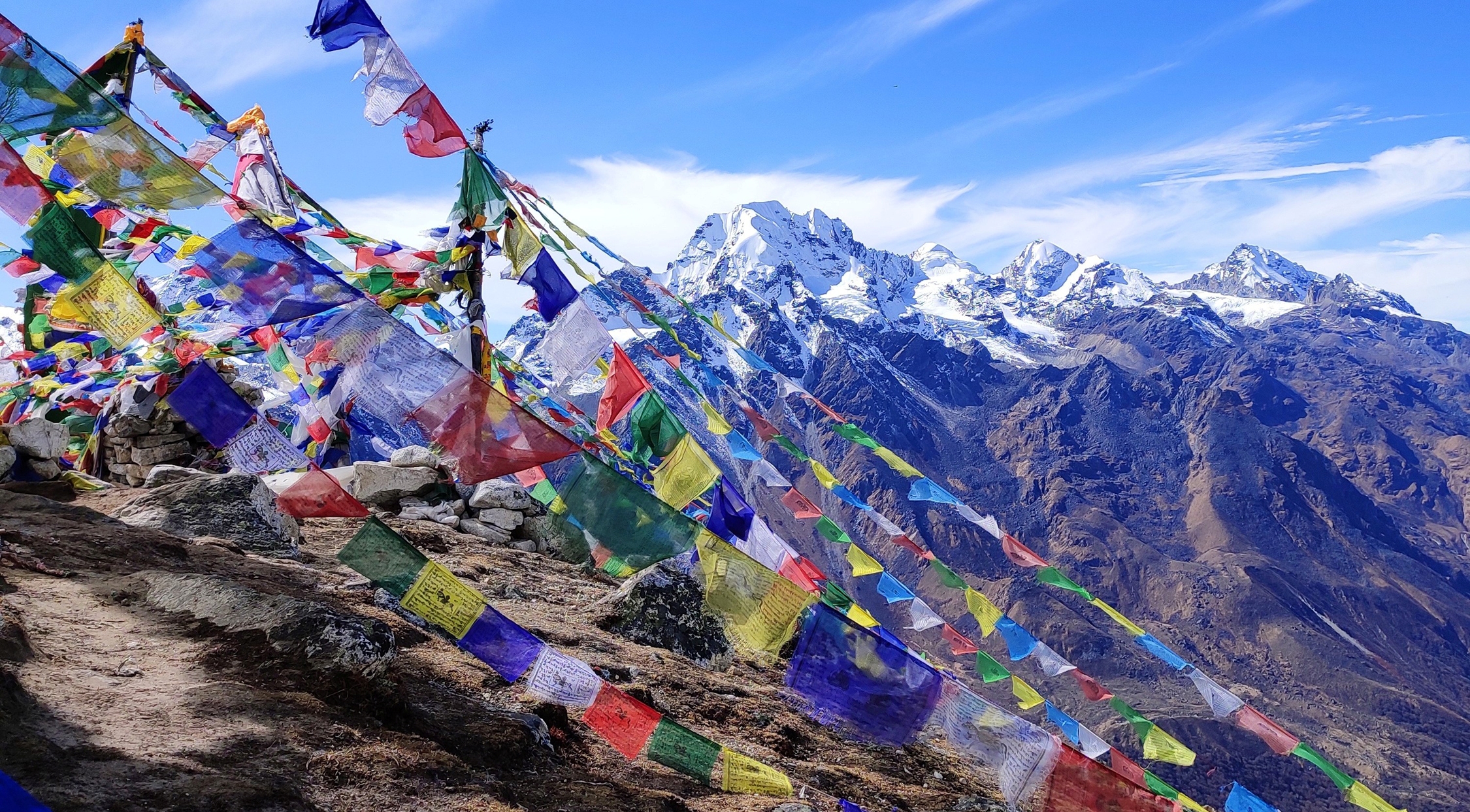
The Yala Peak trek offers a rich cultural experience, passing through the Langtang region, home to the Tamang and Sherpa communities. Trekkers witness traditional Himalayan lifestyles, architecture, and customs that have been preserved for centuries.
Highlights of Cultural Diversity:
Tamang Villages: Early parts of the trek, including Syabrubesi and Lama Hotel, showcase Tamang settlements with stone houses, prayer flags, and Buddhist stupas.
Monasteries and Gompas: Kyanjin Gompa serves as a spiritual center where locals practice Tibetan Buddhism, and trekkers can learn about religious rituals and festivals.
Local Traditions: Villagers maintain age-old traditions like butter lamp lighting, chanting, and seasonal festivals.
Art and Handicrafts: Temples and monasteries display intricate wood carvings, Thangka paintings, and prayer wheels, reflecting the region’s religious and artistic heritage.
Experiencing the cultural diversity along Yala Peak enhances the trek, offering not just stunning natural landscapes but also insight into the spiritual and daily life of Himalayan communities.
The Yala Peak trek passes through culturally rich villages where Buddhist temples and monasteries form an integral part of local life. These spiritual centers provide trekkers with a glimpse into the religious heritage of the Langtang region.
Key Temples and Monasteries:
Kyanjin Gompa: A historic monastery at Kyanjin Gompa village, serving as the spiritual heart of the area. Trekkers can observe daily rituals, prayer sessions, and learn about Tibetan Buddhist practices.
Local Stupas and Chortens: Along the trekking trail, small stupas and chortens decorated with prayer flags mark sacred spots, offering travelers opportunities for reflection and cultural appreciation.
Traditional Shrines in Villages: Many Tamang settlements feature family shrines and community prayer halls, showcasing the deep-rooted Buddhist influence in everyday life.
Visiting these temples and monasteries adds a cultural and spiritual dimension to the trek, allowing climbers not only to enjoy the Himalayan scenery but also to engage with the rich heritage and beliefs of the local communities.
The Yala Peak trek offers a chance to experience the vibrant cultural traditions and festivals of the Tamang and Sherpa communities in the Langtang region. These customs reflect centuries of Himalayan heritage and Buddhist spirituality.
Key Traditions & Festivals:
Losar (Tibetan New Year): Celebrated between February and March, Losar involves traditional dances, music, and festive gatherings in villages and monasteries.
Buddhist Rituals: Daily prayers, butter lamp ceremonies, and chanting at monasteries like Kyanjin Gompa allow trekkers to witness spiritual practices up close.
Local Community Events: Seasonal harvest celebrations, traditional dances, and offerings are common in villages along the trek, giving insight into the locals’ connection with nature and the mountains.
Prayer Flags and Chortens: Seen throughout the trail, these spiritual symbols are central to local beliefs, representing blessings for travelers and the surrounding land.
Experiencing these traditions enhances the trek, making it not just a climbing adventure but also a cultural and spiritual journey through the heart of the Himalayas.
Clothing:
Footwear:
Climbing Gear (provided by agency or bring your own):
Trekking Gear:
Personal Items:
Optional Items:
Tips:
Travel Insurance for Yala Peak Climbing
Travel insurance is a mandatory requirement for Yala Peak Climbing, as the trek and climb take you into remote, high-altitude regions of the Langtang Himalayas. Reaching an altitude of 5,500 meters, climbers face risks such as altitude sickness, unpredictable weather, accidents, or sudden health issues. Having comprehensive insurance ensures that you are financially protected and can access immediate help in case of emergencies.
Your insurance should cover:
Without proper insurance, the costs of evacuation and medical care in the Himalayas can be extremely high. Therefore, before traveling to Nepal, ensure your provider includes coverage for mountaineering and adventure sports. Carry both digital and printed copies of your insurance policy to present to guides or rescue teams if needed.
Nepal
12 Days
Moderate
Peak Climbing
Kathmandu
Kathmandu
5,500 meters / 18,044 feet
Local lodges, hotels and tented camps
Not included
1 to 10
Spring (March–May) & autumn (September–November)
Peak Climbing Permit/Langtang National Park Entry Permit