
The Langtang Valley Trek offers a remarkable Himalayan experience just a few hours’ drive from Kathmandu. Despite its proximity to the capital, the Langtang region remains a peaceful and less-crowded trekking destination—perfect for those seeking stunning alpine scenery without the long duration required by treks in regions like Everest or Annapurna.
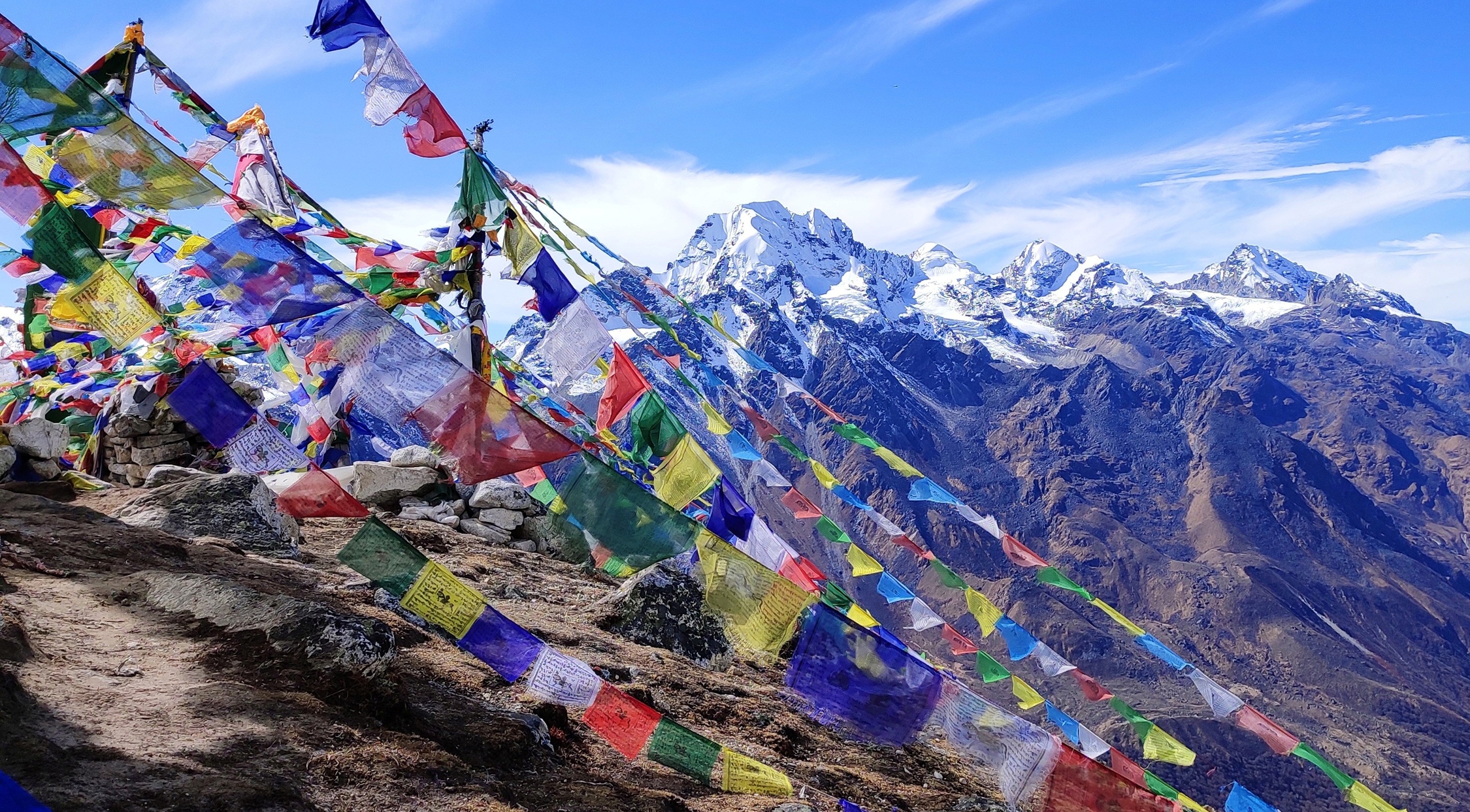
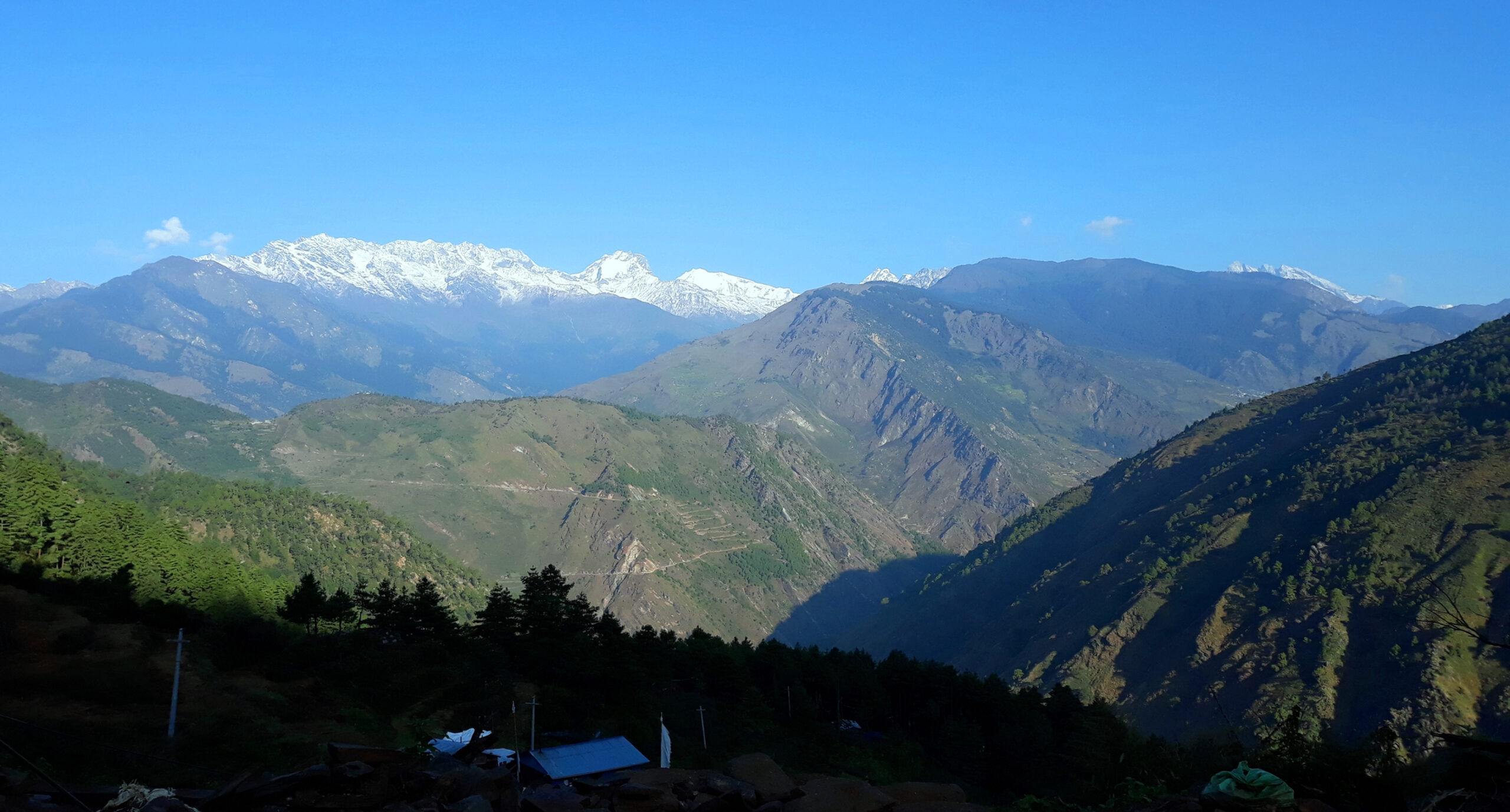
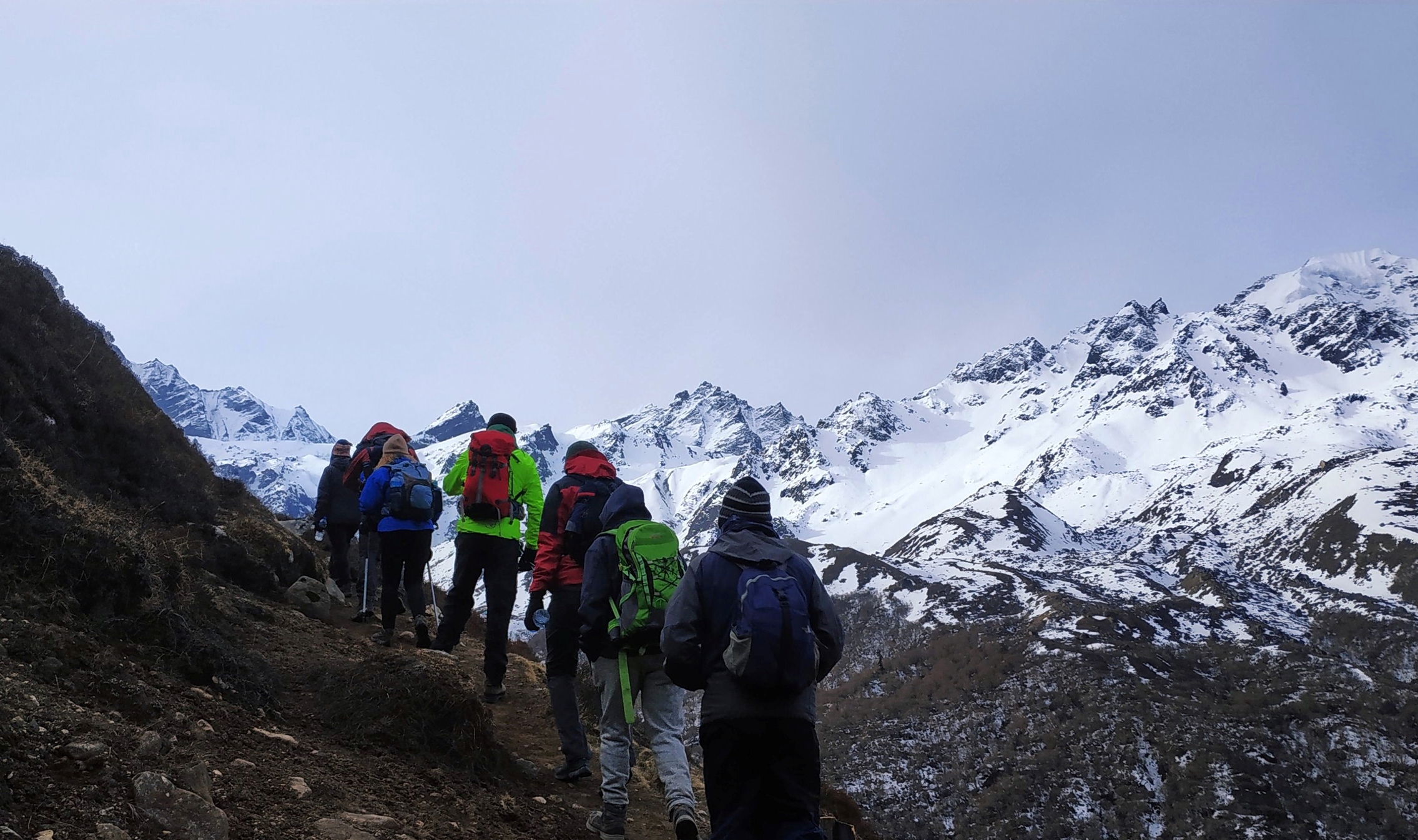
This 7 to 10-day trek begins in the lush forests of the lower Langtang region, gradually ascending through dense rhododendron and bamboo forests to open alpine meadows and yak pastures. As you gain elevation, the views open up to a spectacular panorama of snow-capped peaks, including Langtang Lirung (7,227m) and other towering Himalayan giants.
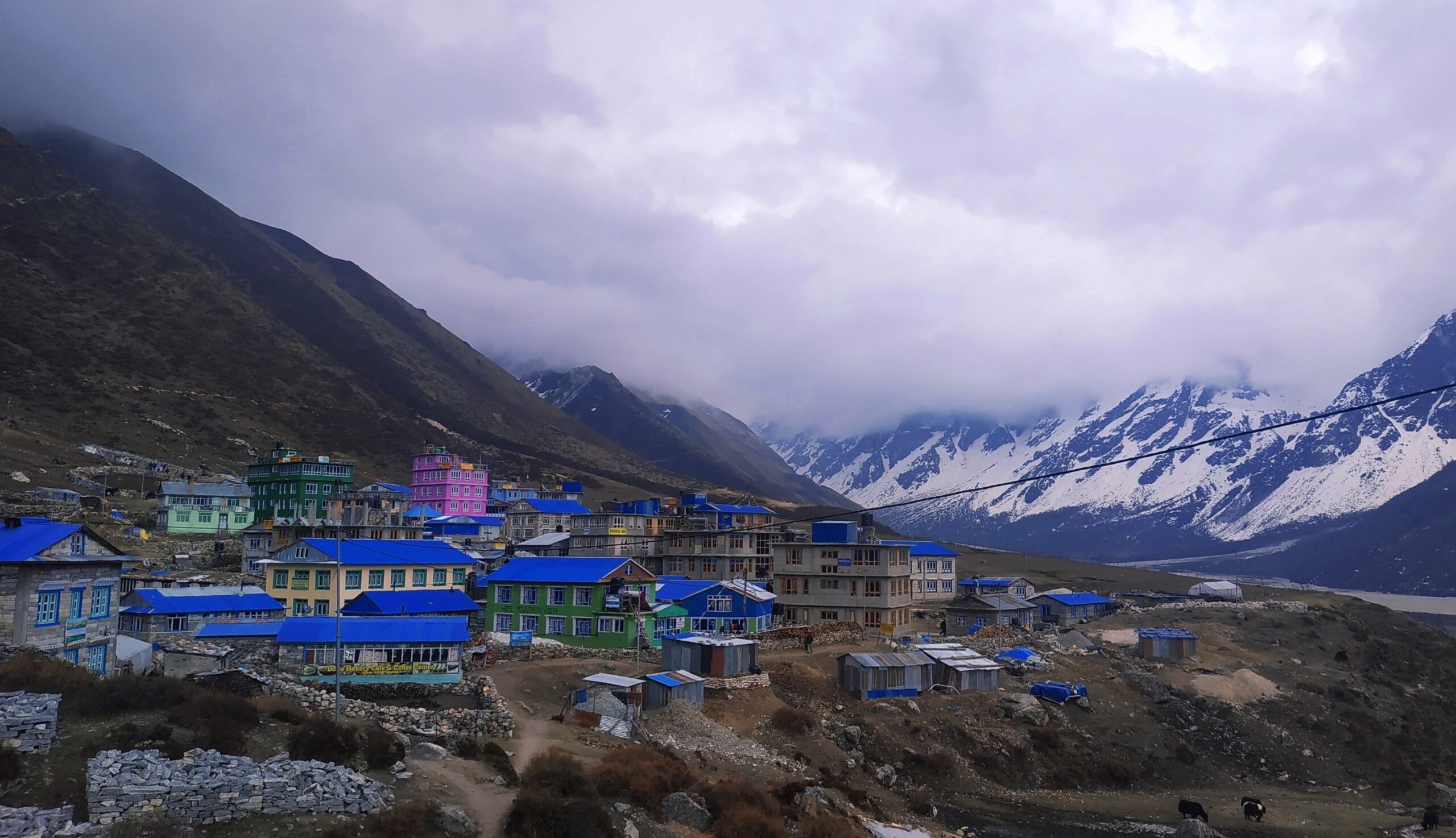
The trail passes through charming Tamang villages that offer a unique blend of Nepali and Tibetan culture. With Tibet just beyond the northern horizon, the cultural influence is strong and adds a spiritual atmosphere to the journey. One of the highlights is reaching Kyanjin Gompa, a high-altitude Buddhist monastery surrounded by majestic peaks and glaciers.
In spring, the forests burst into color with blooming rhododendrons, while autumn offers clear skies and crisp mountain air. Whether you’re trekking through wildflower meadows or enjoying yak cheese in a mountain teahouse, the Langtang Valley Trek promises a rich experience in a relatively short time-frame.
Ideal for both first-time and experienced trekkers, Langtang offers a perfect balance of nature, culture and Himalayan adventure—without straying too far from Kathmandu.
The Langtang Valley Trek pairs naturally with the Langtang Gosaikunda Trek, which continues from the valley to the sacred Gosaikunda lakes before crossing into the Helambu region. For trekkers looking for a shorter acclimatization walk near Kathmandu, the Chisapani Nagarkot Trek offers a rewarding Himalayan introduction within two days of the capital.
The Langtang Valley Trek can be done year-round, but the best seasons for this Himalayan adventure are spring (March to May) and autumn (September to November). These months offer the most favorable weather, clear skies, and the best mountain views.
Spring (March to May): Spring is a stunning time to explore the Langtang region. As the snow begins to melt, the trails burst into life with colorful rhododendron blooms and lush greenery. The weather is mild, with warm days and cool nights. Clear skies during this time provide excellent visibility of snow-capped peaks like Langtang Lirung, making it one of the most scenic times to trek.
Autumn (September to November): Autumn is the most popular season for trekking in Nepal. After the monsoon rains, the air is fresh and clean, and the landscapes are vibrant. The skies are typically cloudless, offering spectacular views of the surrounding mountains. Temperatures are comfortable, and the risk of rain or snowfall is minimal, making it an ideal time for a safe and enjoyable trek.
Other Seasons:
Winter (December to February): The trail is quiet and peaceful, but higher areas can be very cold and snow-covered. It’s suitable for experienced trekkers with proper gear.
Monsoon (June to August): Heavy rain, slippery paths, and poor visibility make this season less suitable for trekking. However, the valley is beautifully green and full of life.
The Langtang Valley Trektakes you through a range of altitudes from warm river valleys to cold alpine zones so weather and temperature conditions vary widely throughout the year. Understanding seasonal weather patterns can help you prepare better and choose the right time to trek.
Spring (March to May): Spring is one of the best seasons for trekking in Langtang. The weather is generally dry and stable, with clear skies and blooming rhododendrons along the trail.
Monsoon/Summer (June to August): During the monsoon, the region receives heavy rainfall, particularly in the afternoons and evenings. Trails can become muddy and slippery, and mountain views are often hidden by clouds.
Autumn (September to November) Autumn offers the most stable weather and some of the clearest mountain views. The air is fresh, and skies are usually cloud-free.
Winter (December to February): Winter brings cold temperatures and occasional snowfall, especially above 3,000 meters. Trails are less crowded, but nights can be freezing.
Along the Langtang Valley Trek, food and accommodation are provided by locally-run teahouses—simple but welcoming lodges located in each village along the trail.
Accommodation: Rooms are typically twin-sharing with basic bedding (bed, pillow, and blanket). Some lodges offer private rooms, but toilets are often shared. As you gain altitude, facilities become more basic. In places like Kyanjin Gompa, the lodges are cozy but may lack heating—so a warm sleeping bag is highly recommended.
Electricity and charging are available in most places (usually at an extra cost), and Wi-Fi is accessible in lower areas, though it can be slow or unavailable at higher elevations.
Food: Teahouses offer a set menu approved by the local tourism management committee. Common meals include dal bhat (lentil soup, rice, and curry), noodles,fried rice,pasta, momos (dumplings), and Tibetan bread. Breakfast options include porridge, pancakes, eggs, and tea or coffee.
In Kyanjin Gompa, don’t miss trying local yak cheese, made at the nearby government-run cheese factory.
While the food is freshly cooked and hearty, options are more limited at higher elevations, and prices rise with altitude due to transport challenges.
Reaching the Langtang Valley trailhead is relatively easy compared to other trekking regions in Nepal, as it’s accessible by road from Kathmandu. The journey takes you to Syabrubesi, the starting point of the trek.
From Kathmandu to Syabrubesi: The most common way to reach Syabrubesi is by road, as there is no airport in the Langtang region. The drive takes around 7 to 8 hours, covering approximately 120 kilometers through winding mountain roads, scenic hills, and riverside villages.
Transportation Options:
Local Bus: Buses leave early in the morning from Machhapokhari (near Balaju, Kathmandu). This is the most budget-friendly option but expect basic seating and frequent stops.
Shared Jeep: Shared jeeps are a faster and slightly more comfortable alternative. They also depart from Machhapokhari and are commonly used by both trekkers and locals.
Private Jeep or Car: For added comfort, especially if traveling in a group, hiring a private jeep is recommended. It’s faster, allows flexible stops, and is ideal for those who prefer a smoother experience.
Return from Syabrubesi to Kathmandu: After completing your trek, you’ll return to Syabrubesi and use the same road transport options to get back to Kathmandu.
Staying connected during the Langtang Valley Trek is possible in most areas, but expect limited access as you ascend higher into the mountains.
Mobile Network Coverage: Mobile signals from Nepal’s two main telecom providers—Ncell and Nepal Telecom (NTC)—are available in several villages along the trail.
Internet Access (Wi-Fi): Wi-Fi is available at many teahouses, especially in Syabrubesi, Langtang, and Kyanjin Gompa.
Proper acclimatization is an important part of the Langtang Valley Trek, especially as you reach higher altitudes like Kyanjin Gompa (3,870m). Although the trek doesn’t go above 5,000 meters, the elevation gain is still significant, and adjusting to the thinner air is essential for your safety and comfort.
Why Acclimatization Matters: As you ascend, oxygen levels decrease, and your body needs time to adapt. Without proper acclimatization, trekkers may experience Acute Mountain Sickness (AMS), which can cause symptoms like headache, nausea, dizziness, and fatigue.
Recommended Acclimatization Practices
The Langtang Valley Trek offers not only stunning mountain views and cultural experiences but also a chance to explore Nepal’s rich natural biodiversity. As you walk through Langtang National Park, you’ll witness a wide range of flora and fauna across different altitudes and climate zones.
Flora (Plant Life)
In spring, the entire trail is painted with vibrant colors of wildflowers, creating a picturesque landscape.
Fauna (Wildlife):
Langtang is a haven for wildlife lovers. While sightings are not guaranteed, trekkers may spot:
The higher you go, the more rugged the terrain becomes, but the chance to encounter rare mountain wildlife remains a highlight of the trek.

The Langtang Valley Trek is not only a scenic journey through the Himalayas but also a rich cultural experience. As you ascend through the valley, you’ll pass through traditional villages inhabited by ethnic communities with deep-rooted customs, beliefs, and lifestyles shaped by the mountains and Tibetan influence.
Tamang and Tibetan Heritage: The majority of people living along the Langtang trail are of Tamang ethnicity, one of Nepal’s oldest indigenous groups. Their language, dress, and customs reflect a strong Tibetan Buddhist influence, as the valley lies close to the border of Tibet.
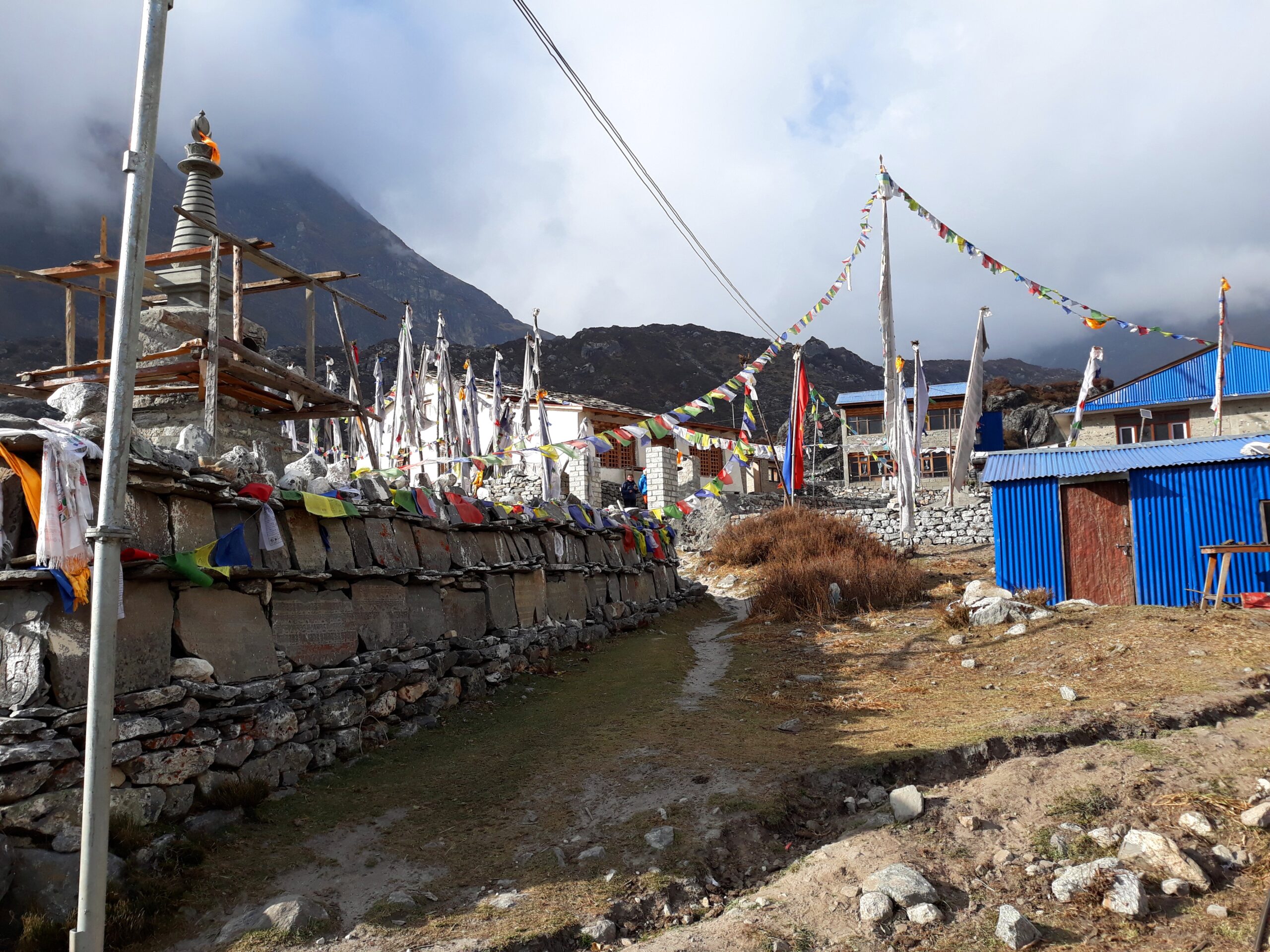
Buddhist Traditions: You’ll pass by mani walls (stone walls with carved prayers) and colorful prayer wheels, which are an integral part of local religious life. Ancient monasteries such as the one in Kyanjin Gompa offer a peaceful retreat and insight into Himalayan Buddhism.
The Langtang Valley Trek is not only about breathtaking mountains and natural beauty but also about its deep spiritual atmosphere. Along the route, trekkers will come across sacred Buddhist monasteries, stupas, chortens and Hindu temples that reflect the cultural and religious harmony of the region.
One of the most significant sites is the Kyanjin Gompa, a centuries-old monastery located at 3,870 meters. Surrounded by towering peaks, this spiritual center is a hub for local Tamang and Tibetan Buddhist communities, where prayer flags, mani walls and prayer wheels add to the peaceful ambiance. The monastery also offers trekkers a glimpse into Himalayan Buddhism, often with monks chanting and locals offering prayers.
On the lower trails, you will pass through traditional Tamang villages, where small Buddhist shrines, chortens and prayer walls stand along the pathways. In addition, Hindu temples near Syabrubesi and Dhunche highlight the cultural blend of the Langtang region, with many pilgrims visiting these sacred places throughout the year.
Exploring these temples and monasteries enriches the trekking experience, allowing visitors to connect with the spiritual traditions, rituals and cultural heritage of the Langtang Valley while being surrounded by the stunning Himalayan backdrop.
The Langtang Valley Trek is not only famous for its natural beauty but also for the rich traditions and festivals of the Tamang and Tibetan-influenced communities who call this region home. Trekking here gives travelers the chance to witness the deep-rooted cultural practices that have been passed down for generations.
The Tamang people, the main inhabitants of Langtang, follow Tibetan Buddhism, and their villages are filled with prayer flags, mani walls and chortens. Daily life often revolves around agriculture, yak herding, and religious rituals, giving trekkers an authentic glimpse into Himalayan culture.
Festivals are an important part of community life. The Lhosar Festival (Tibetan New Year) is celebrated with traditional dances, prayers, and feasts, marking the arrival of spring. Another major festival is Dumji, dedicated to Guru Rinpoche, where villagers gather at monasteries for rituals, masked dances, and community celebrations. Hindu festivals such as Dashain and Tihar are also observed, reflecting the cultural harmony of the region.
By experiencing these traditions and festivals during your Langtang Valley Trek, you gain a deeper connection to the spirituality, hospitality and cultural heritage that make this journey so unique.
Clothing:
Base Layers:
Insulation Layer:
Trekking Pants:
Others:
Head & Handwear
Footwear:
Trekking Gear:
Personal Items:
Electronics & Documents:
Optional but Useful:
Why You Need Travel Insurance for the Langtang Valley Trek
Travel insurance is an essential part of preparing for the Langtang Valley Trek. Trekking in the Himalayas involves risks such as altitude sickness, unpredictable weather, and accidents on rugged trails, making insurance a smart safety net.
Medical Emergencies and Evacuations: If you experience altitude sickness or injury, emergency medical care may require evacuation by helicopter, which can be extremely expensive. Travel insurance typically covers medical treatment, hospitalization, and evacuation costs, giving you peace of mind.
Trip Cancellation or Interruption: Unexpected events like illness, political unrest, or natural disasters can force you to cancel or cut short your trek. Insurance helps protect your non-refundable expenses, including flights, permits, and accommodation.
Lost or Delayed Gear: Your trekking gear and personal belongings are vital for a safe journey. Insurance can cover the loss, theft, or delay of luggage, so you’re not left stranded without essential items.
Why it’s especially important for Langtang: The Langtang region is remote, with limited immediate access to advanced medical facilities. Rescue and evacuation services are not always readily available or affordable without insurance coverage.
Nepal
10 Days
Easy to Moderate
Trekking
Kathmandu
Kathmandu
3,837 m, Kyanjin Gompa
Local Lodges / Hotel
Not included
1 to 10
Spring (March–May) & autumn (September–November)
Langtang Lational Park Entry