
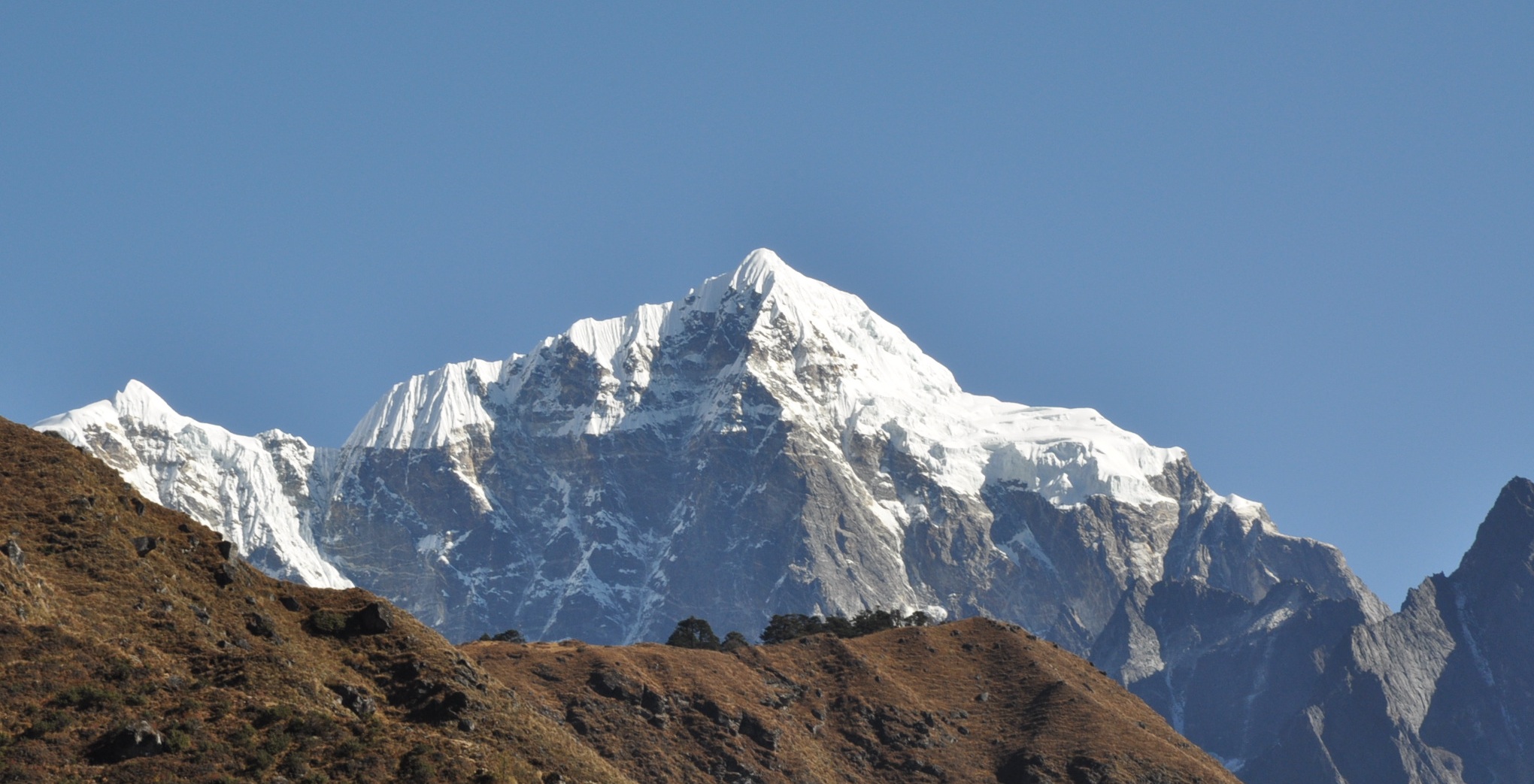
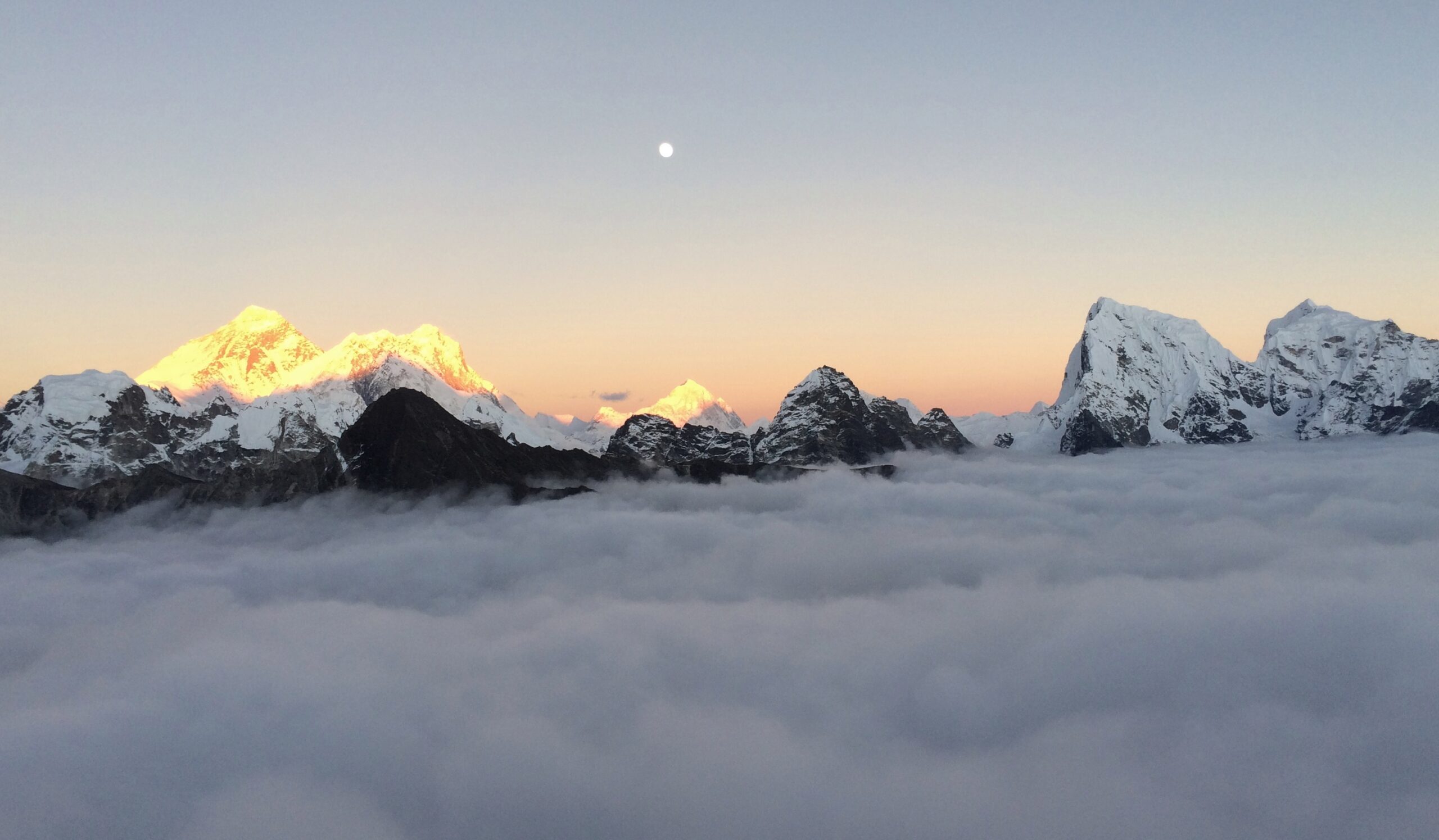
Island Peak, locally known as Imja Tse, is one of Nepal’s most popular trekking peaks, standing at 6,189 meters (20,305 ft) in the heart of the Everest region. It earned its English name “Island Peak” from its striking appearance when viewed from Dingboche — a lone summit rising like an island amid a vast sea of ice. Geographically, the mountain is connected to the south ridge of Lhotse Shar, while a dramatic semicircle of cliffs links it to the surrounding giants: Nuptse, Lhotse, Middle Peak, and Lhotse Shar.
This peak offers an ideal introduction to Himalayan mountaineering. While it is a challenging climb due to its altitude and glacier sections, technical expertise is not strictly required. However, previous trekking or climbing experience can be an advantage. A good level of physical fitness, mental endurance, and proper acclimatization are essential for a safe and successful ascent.
Before the climb, professional climbing Sherpa’s provide thorough instruction on the use of mountaineering equipment, including crampons, harnesses, ice axes, and ropes. This hands-on guidance ensures climbers are confident in negotiating steep snow slopes, crevasses, and fixed rope sections on summit day.
Island Peak expeditions typically follow the Everest Base Camp or Chhukung route for gradual acclimatization, allowing trekkers to explore Sherpa villages, Buddhist monasteries, and breathtaking landscapes before tackling the climb. From its summit, climbers are rewarded with panoramic views of Everest, Lhotse, Makalu, Ama Dablam, and Baruntse, making the effort truly worthwhile.
Whether you are aiming to gain Himalayan climbing experience or seeking an unforgettable adventure in the Khumbu region, Island Peak stands out as a rewarding and achievable goal, blending the thrill of mountaineering with the cultural richness of Nepal’s highlands.
Most climbers arriving for Island Peak first complete the Everest Base Camp Trek as part of the same expedition, since approach routes overlap through the Khumbu. Those looking for another trekking peak in Nepal can also consider Yala Peak in the Langtang region, a slightly lower but equally rewarding summit. The Everest Three Passes Trek is another excellent option that can be combined with an Island Peak ascent for a comprehensive high-altitude circuit.
The best seasons to climb Island Peak are spring (March to May) and autumn (September to November). During these months, the weather is generally stable, skies are clear, and temperatures are moderate—ideal conditions for trekking and climbing.
Spring offers blossoming rhododendrons and warmer days, while autumn provides crisp air and stunning mountain views. Both seasons avoid the heavy monsoon rains of summer and the extreme cold of winter, making them perfect for a safe and enjoyable climb.
Island Peak lies in the high Himalayas, where weather conditions can change rapidly, so preparation is key.
Spring (March to May): Daytime temperatures range from 5°C to 15°C (41°F to 59°F) at lower elevations, but nights can drop below freezing, especially above 4,000 meters. The weather is generally stable with clear skies and minimal rainfall, making it one of the best times to climb.
Autumn (September to November): This season features crisp, dry air and excellent visibility. Daytime temperatures vary between 7°C and 17°C (45°F to 63°F) at lower altitudes, with colder nights. Snowfall is rare, and the conditions are ideal for trekking and climbing.
Summer/Monsoon (June to August): Heavy rainfall, slippery trails, and frequent cloud cover make climbing difficult and risky. Temperatures can be warmer but unpredictable due to storms.
Winter (December to February): Extremely cold temperatures dominate, with daytime highs often below freezing and heavy snowfall likely at high camps. Climbing during this season is only recommended for highly experienced mountaineers prepared for severe conditions.
At the summit (6,189m), temperatures can plummet well below -20°C (-4°F) during nights and early mornings, regardless of season. Proper gear and acclimatization are essential for safety and success on Island Peak.
During the trek to Island Peak, accommodation is mostly in local tea houses and lodges located in villages such as Namche Bazaar, Tengboche, Dingboche, and Chhukung. These lodges offer basic but comfortable rooms with shared or private bathrooms. At higher elevations and at Island Peak Base Camp, climbers stay in tented camps arranged by the expedition team.
Meals during the trek mainly consist of traditional Nepali dishes like dal bhat (lentil soup with rice), noodles, soups, potatoes, and vegetable curries. Tea houses also serve international options such as pasta, pancakes, and soups to suit different tastes.
On climbing days at base and high camps, meals are usually simple and high-energy, including items like instant noodles, biscuits, energy bars, and hot drinks, designed to fuel climbers for the demanding summit push.
While meals are generally available at lodges and camps, some climbers prefer to bring personal snacks and supplements to maintain energy levels throughout the climb.
Reaching the Everest region and Island Peak requires careful planning due to its remote mountainous terrain. Most trekkers begin their journey by flying into Lukla Airport, the main gateway to Island Peak and the Everest region.
Flights from Ramechhap (Manthali) Airport to Lukla: Ramechhap Airport is about a 5 to 6-hour drive east of Kathmandu. During peak trekking seasons (March, April, May, October, and November), some flights to Lukla operate from Ramechhap to ease congestion at Kathmandu’s Tribhuvan International Airport. The short flight from Ramechhap to Lukla takes approximately 20 minutes, offering a convenient alternative to starting the trek.
Flights from Kathmandu to Lukla: The most common and fastest route to Island Peak is a domestic flight from Kathmandu’s Tribhuvan International Airport to Lukla Airport (Tenzing-Hillary Airport). This scenic 30 to 40-minute flight provides stunning views of the Himalayan peaks and deep river valleys below.
However, flights to Lukla are often subject to delays or cancellations due to unpredictable mountain weather such as fog, wind, or storms. To avoid disruptions, it’s recommended to schedule buffer days in your itinerary.
Return Journey: Most climbers fly back from Lukla to Kathmandu at the end of their expedition. Given the unpredictable weather, booking flexible flight tickets and allowing extra days in Kathmandu helps accommodate any unexpected delays safely.
Internet access and mobile network coverage on the Island Peak route vary greatly depending on your location.
For uninterrupted communication, climbers often carry satellite phones or portable Wi-Fi hotspots. It’s advisable to manage expectations regarding connectivity and plan accordingly for important calls or messages.
Proper acclimatization is essential for a safe and successful Island Peak climb due to the high altitudes involved. The trek includes several gradual ascent days and rest stops to help your body adjust to thinning air and reduce the risk of altitude sickness.
Typically, trekkers spend extra days in key villages like Namche Bazaar, Dingboche, and Chhukung to acclimatize. These rest days may include short hikes to higher elevations followed by returns to sleep at lower altitudes, a proven method to boost acclimatization.
Climbing Island Peak also involves spending nights at Base Camp (5,087m) and High Camp (5,700m) to prepare for the summit push at 6,189 meters. These overnight stays help your body adapt to the extreme altitude before the final climb.
Staying well-hydrated, eating nutritious food, and avoiding alcohol and overexertion during the trek further support acclimatization. Your guide and Sherpa team will monitor your health and advise rest or descent if altitude sickness symptoms appear.
The journey to Island Peak takes you through diverse ecosystems rich in unique flora and fauna, showcasing the natural beauty of the Everest region.
Flora:
Fauna:
The blend of rich biodiversity and stunning alpine landscapes adds an unforgettable dimension to the Island Peak climbing experience.
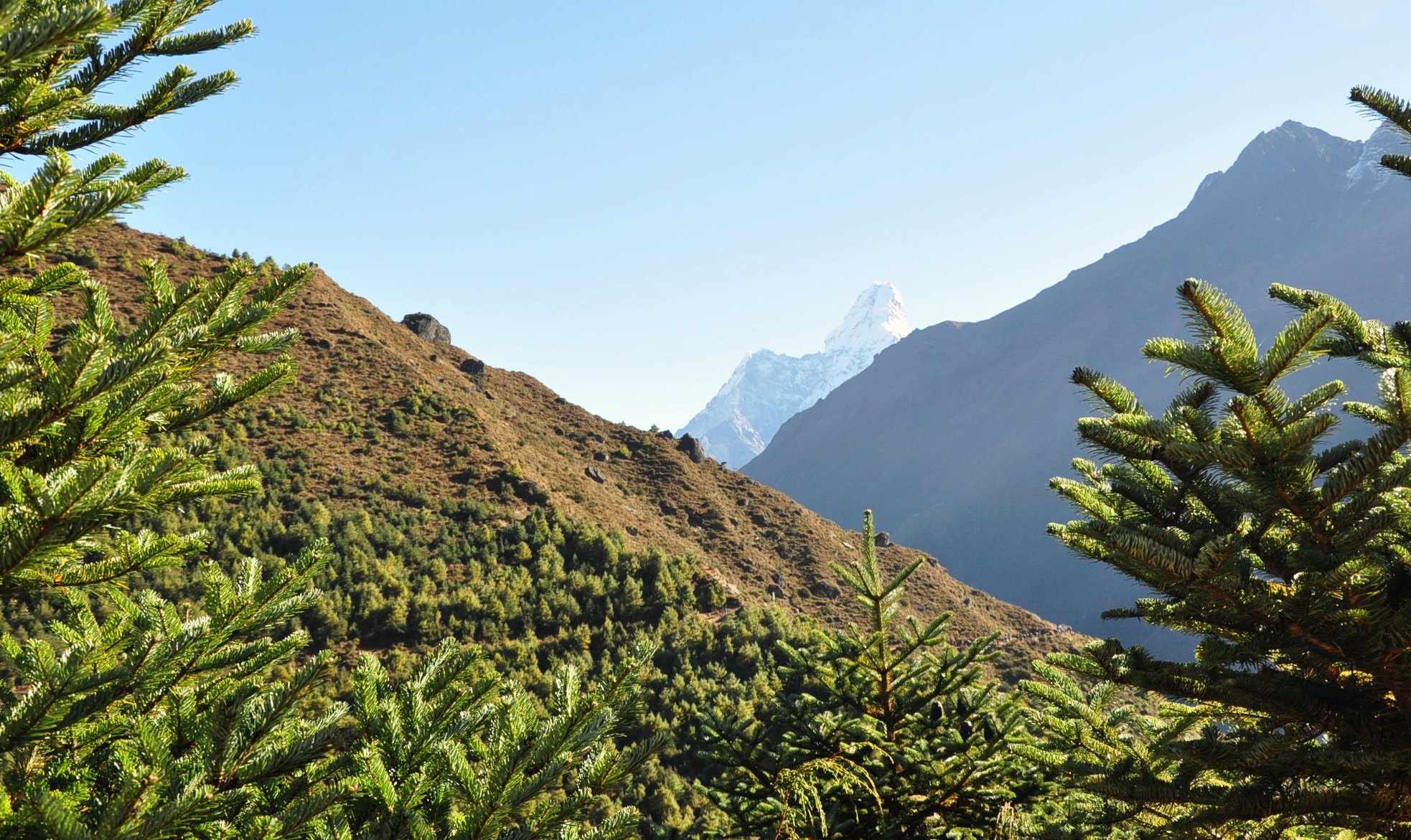


The Island Peak route offers a rich cultural journey through the heart of the Khumbu region, home to the resilient Sherpa people and their vibrant traditions.
Along the trail, trekkers pass through traditional Sherpa villages like Namche Bazaar, Tengboche, Dingboche, and Pangboche, where Buddhist culture is deeply woven into daily life. Monasteries, prayer flags, mani walls, and stupas are common sights, reflecting the spiritual heritage of the region.
Sherpa hospitality is renowned, with local lodges offering warm welcomes, traditional meals, and insight into their customs and festivals. Trekkers may witness religious ceremonies or seasonal festivals such as Losar (Tibetan New Year) and Mani Rimdu, which showcase colorful dances, music, and rituals.
The blend of ancient traditions and modern influences creates a unique cultural tapestry that enriches the climbing experience, connecting adventurers with the history and heart of the Himalayas.
The Island Peak route passes several important Buddhist temples and monasteries that offer spiritual solace and cultural insight to trekkers.
One of the most notable is the Tengboche Monastery, perched dramatically above the Dudh Koshi River. It is the largest monastery in the Khumbu region and a spiritual center for the Sherpa community. Trekkers often visit Tengboche to witness traditional prayers and ceremonies, especially during major festivals.
Other significant religious sites include the Pangboche Monastery, one of the oldest in the region, and various small temples and mani walls scattered throughout the trail. These sacred places are adorned with prayer flags and carved stones, inviting trekkers to pause and reflect amid their adventure.
Visiting these temples and monasteries offers a deeper understanding of the local Buddhist culture and its role in the daily lives of the Himalayan people.
The Island Peak region is rich in Sherpa culture, where age-old traditions and vibrant festivals bring communities together in celebration and spiritual devotion.
One of the most significant festivals is Losar, the Tibetan New Year, usually celebrated in February or March. It involves colorful rituals, traditional dances, prayer ceremonies, and community feasts, marking a time of renewal and good fortune.
Another important festival is Mani Rimdu, held in monasteries like Tengboche and Pangboche. This festival features sacred mask dances performed by monks, prayers, and blessings intended to promote peace and prosperity.
Throughout the year, locals maintain customs such as lighting butter lamps, spinning prayer wheels, and honoring nature spirits, reflecting their deep Buddhist faith and respect for the mountain environment.
Experiencing these festivals offers trekkers a unique window into the spiritual heart of the Khumbu and a chance to connect with Sherpa heritage beyond the trail.
Equipment List:
Clothing:
Base Layers:
Insulating Layers:
Outer Layers:
Trekking Pants & Shirts:
Headwear:
Gloves:
Footwear:
Climbing Gear (often available for rent)
Trekking & Camping Essentials:
Accessories & Personal Items:
Optional but Useful
Nepal
17 Days
Moderate
Peak Climbing
Kathmandu
Kathmandu
6,189 meters / 20,305 feet
Local lodges, hotels, and tented camps
Not included
2–10 people
Spring (March–May) & Autumn (September–November)
Island Peak Climbing Permit (NMA) Sagarmatha National Park Entry Permit Khumbu Pasang Lhamu Rural Municipality Permit