
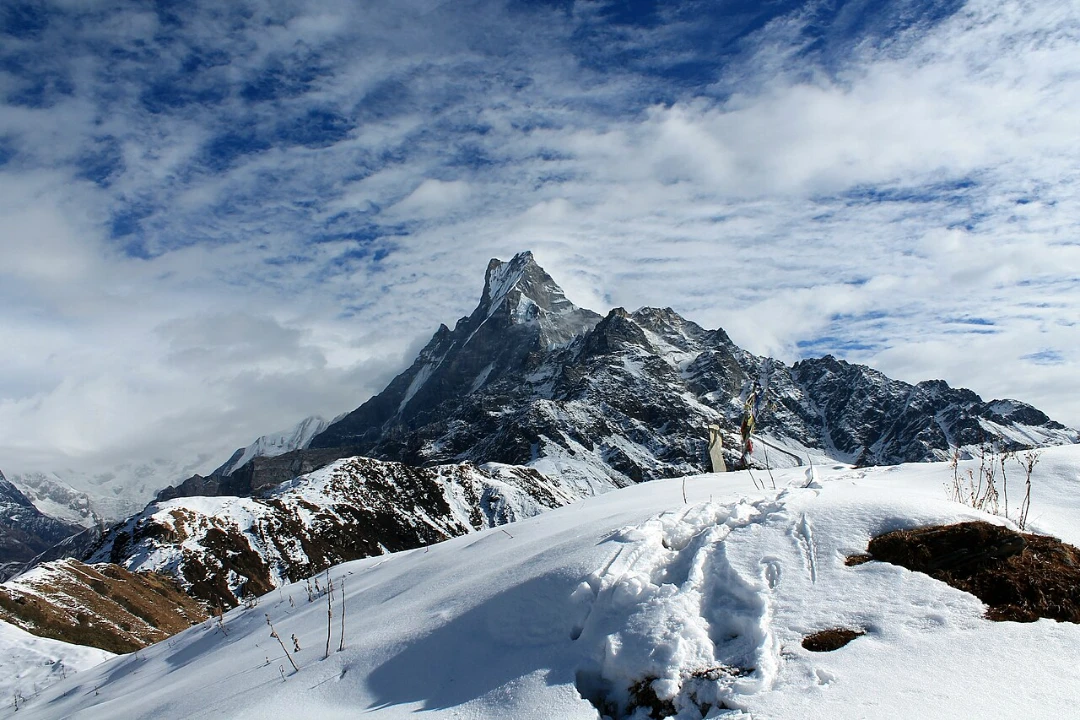
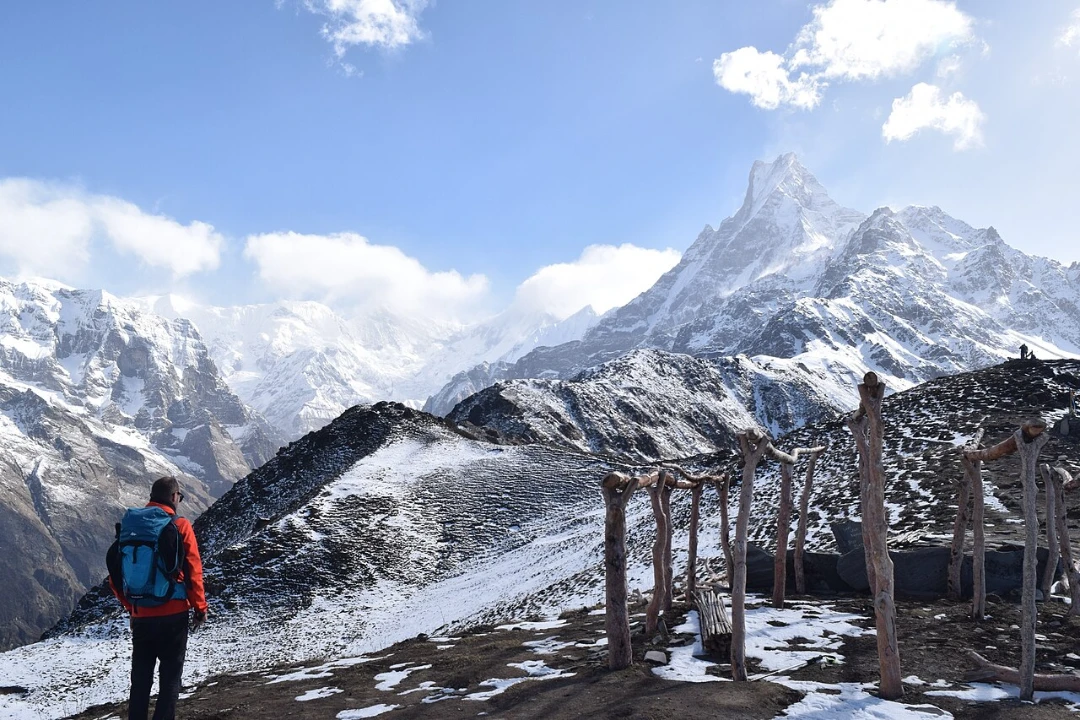
The Mardi Himal Trek is a scenic and less-traveled route located east of the famous Annapurna Base Camp trail. Known as a hidden gem in the Himalayas, it offers a peaceful trekking experience away from the crowded paths. For those looking to explore a quieter part of the Annapurna region, Mardi Himal Trekking is the perfect alternative.
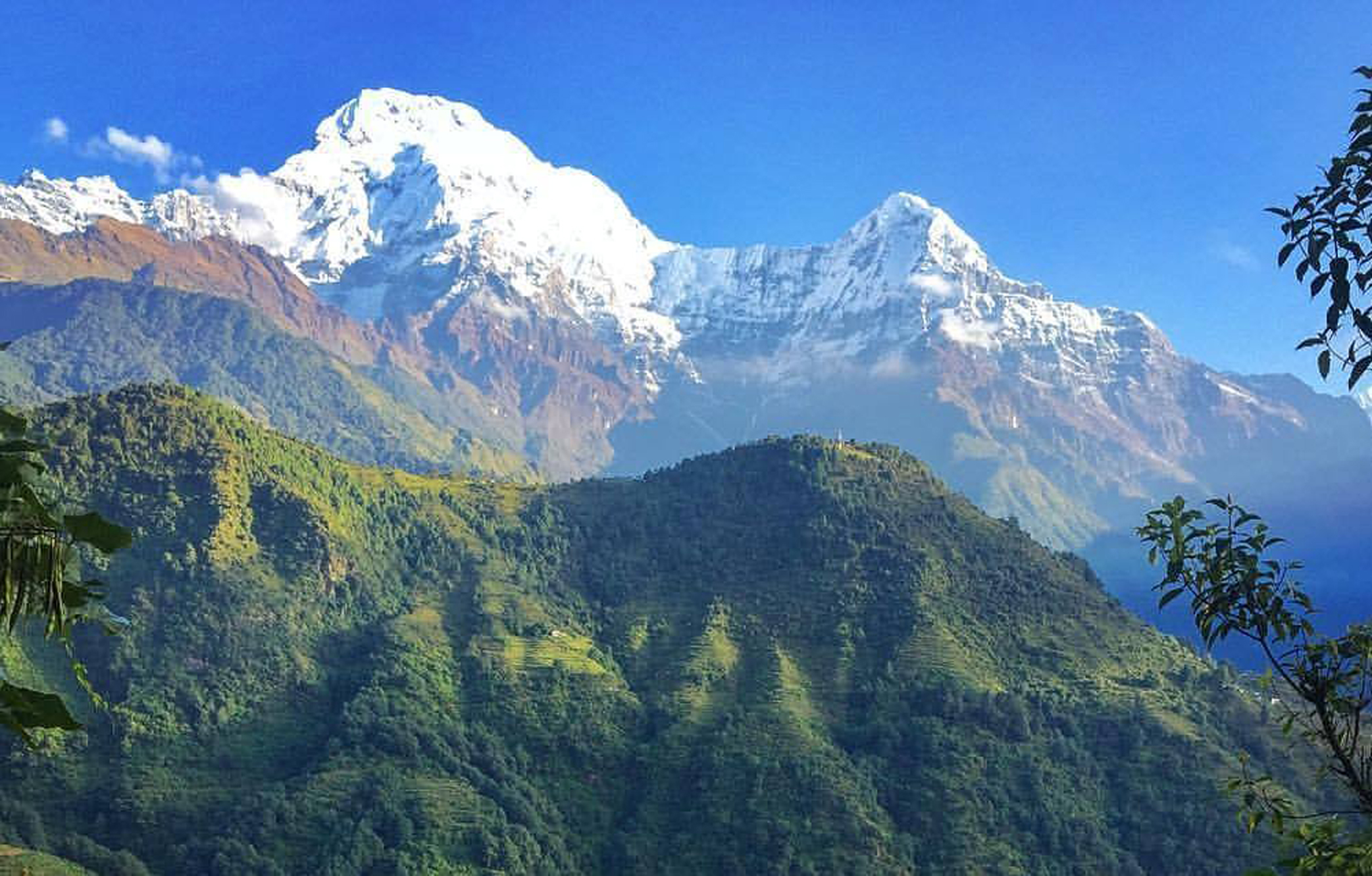
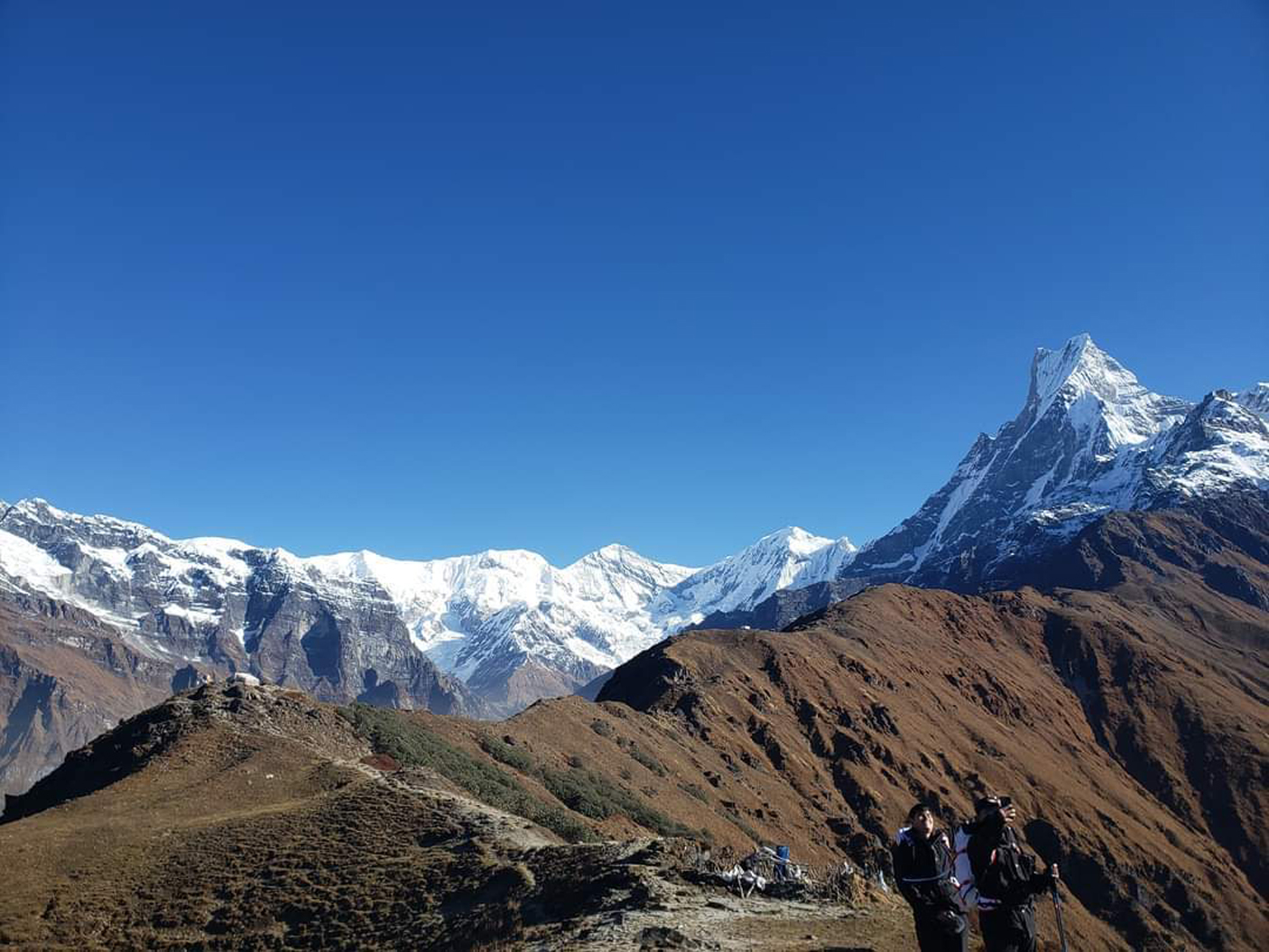
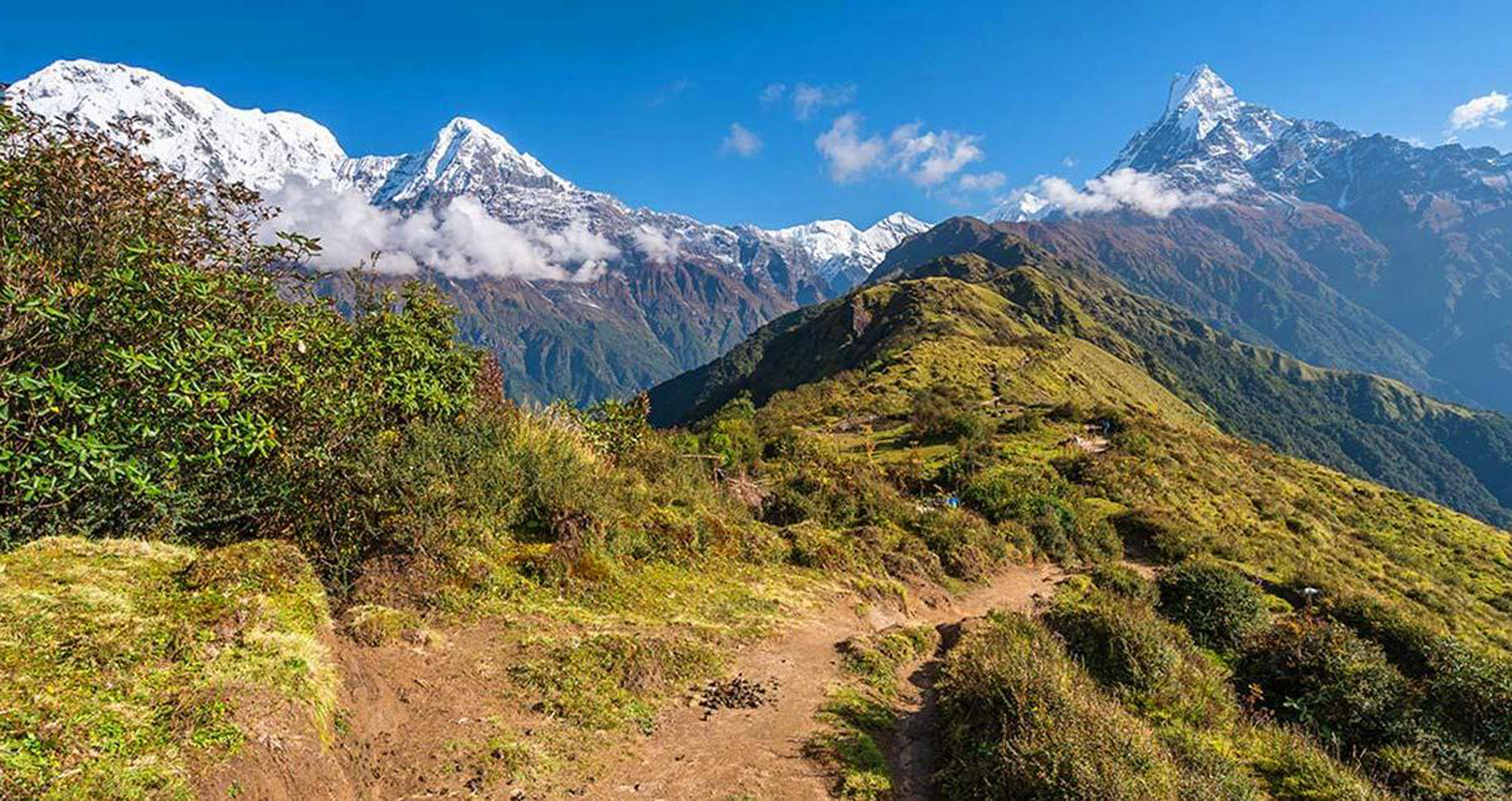
This beautiful trek takes you through enchanting rhododendron forests, traditional villages, and alpine landscapes, eventually leading to the stunning Mardi Himal Base Camp at 4,500 meters. From the base camp, you can enjoy panoramic views of majestic peaks like Machapuchare (Fishtail), Annapurna South, and Hiunchuli.
Ideal for both beginners and experienced trekkers, the Mardi Himal Trek Nepal is moderately challenging with gradual ascents and well-defined trails. It’s a great option for those who want a short trek—many complete it in just 5 to 7 days. The route is dotted with cozy tea houses offering warm hospitality and local food.
Whether you’re planning a solo adventure or looking for a guided Mardi Himal Trek package, this trail offers the perfect blend of natural beauty, cultural charm, and Himalayan serenity. It’s a rewarding journey for anyone seeking something beyond the usual trekking routes in Nepal.
The Mardi Himal Trail runs parallel to the more popular Ghorepani Poon Hill Trek, offering similar panoramas with far fewer crowds. For those who want to go deeper into the Annapurna range, the Annapurna Base Camp Trek continues into the Sanctuary for a dramatic high-altitude experience. The full Annapurna Circuit Trek is the natural progression for trekkers wanting to circumnavigate the entire massif.
The best time for Mardi Himal Trek is during spring (March to May) and autumn (September to November). These seasons offer clear skies, stable weather, and vibrant landscapes.
Trekking Mardi Himal in winter is possible for experienced hikers seeking solitude and snow-covered trails but requires proper gear and preparation.
The weather on the Mardi Himal Trek varies by season and altitude. The trek ranges from warm lowlands to chilly alpine zones, so being prepared for changing conditions is essential.
Spring (March to May): Clear skies, blooming rhododendrons, and daytime temperatures between 10°C to 20°C. Nights can drop to 0°C to -5°C at High Camp.
Autumn (September to November): Stable weather with crystal-clear mountain views. Daytime temperatures range from 12°C to 18°C, while nights can fall to -5°C to -8°C at higher elevations.
Winter (December to February): Very cold, especially above Forest Camp. Daytime highs may reach 5°C to 10°C, but nights can drop below -10°C. Trails may be snowy and less crowded.
Monsoon (June to August): Heavy rain, leeches, and slippery trails. Not recommended for trekking due to poor visibility and landslide risks. Temperatures remain mild, around 15°C to 20°C, but conditions are humid and wet.
During the Mardi Himal Trek, trekkers stay in locally-run teahouses and lodges along the route. These teahouses offer basic yet comfortable accommodation with twin-sharing rooms, warm blankets, and simple beds. Higher altitudes like High Camp may have more limited facilities, but still provide a cozy place to rest.
For meals, you’ll enjoy a variety of traditional Nepali and Tibetan dishes such as dal bhat (rice, lentils, and curry), noodles, soups, pasta, fried rice, pancakes, and omelets. Most teahouses also offer hot drinks like tea, coffee, and ginger lemon honey.
While options are simpler than in larger trekking routes, the hospitality is warm, and the food is freshly prepared—perfect for fueling your journey to Mardi Himal Base Camp.
Kathmandu to Pokhara: The journey to Pokhara, the gateway to the Mardi Himal Trek, begins in Kathmandu. You have two main transportation options:
Tourist Bus: A popular and budget-friendly option. The drive takes approximately 6–7 hours, offering scenic views of rivers, hills, and rural villages along Nepal’s countryside. Buses depart early in the morning from Kathmandu.
Domestic Flight: The fastest and most convenient way to reach Pokhara. A short 25-minute flight from Kathmandu offers stunning aerial views of the Himalayas. It’s ideal for those with limited time.
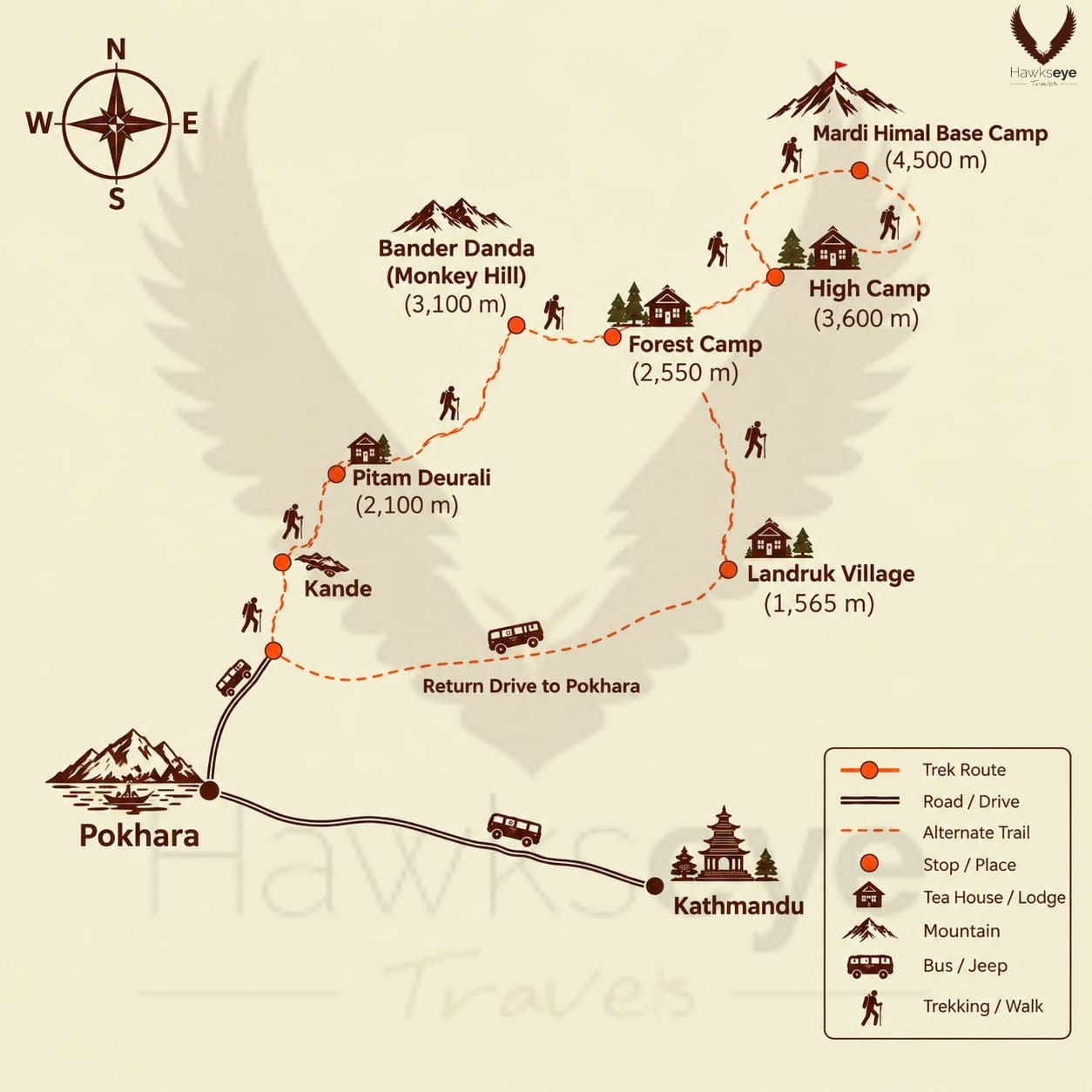
Pokhara to Pitam Deurali (Trek Starting Point): From Pokhara, most trekkers drive about 1 to 1.5 hours to Kande, the common trailhead for the Mardi Himal route. From Kande, the trek begins with a scenic uphill walk through lush forest to Australian Camp, an ideal spot for views of the Annapurna and Fishtail (Machapuchare) ranges.
From Australian Camp, the trail gently climbs via Pothana and leads to Pitam Deurali, where many trekkers stay overnight before heading deeper into the Mardi Himal route.
Returning: After reaching Mardi Himal Base Camp, trekkers usually descend through Forest Camp and Landruk village. From Landruk, local transportation is available to return to Pokhara city center.
Mobile network coverage on the Mardi Himal Trek is limited but improving. In lower villages like Pitam Deurali, Forest Camp, and Landruk, major providers like NTC (Nepal Telecom) and Ncell may offer basic signal for calls and texts.
As you go higher—especially around High Camp and Mardi Himal Base Camp—the signal becomes unreliable or unavailable. Some teahouses offer Wi-Fi for an extra charge, but connections can be slow and unstable, especially during bad weather.
For emergency communication or navigation, it’s recommended to carry a local SIM card and download offline maps before the trek. Enjoy the digital detox and immerse yourself in the peaceful Himalayan environment!
Acclimatization is an important part of any high-altitude trek, including the Mardi Himal Trek. Although this trek is considered moderate and reaches a maximum altitude of 4,500 meters at Mardi Himal Base Camp, proper acclimatization helps reduce the risk of altitude sickness.
Gradual Altitude Gain:
The Mardi Himal Trek itinerary is designed with a gradual ascent, allowing your body to adjust naturally. The trail progresses from lower elevations like Pitam Deurali 2,100m and Forest Camp (2,550m) to High Camp (3,600m) before the final push to Mardi Himal Base Camp.
Key Tips for Acclimatization:
Altitude Sickness Awareness:
Symptoms may include headache, loss of appetite, shortness of breath, or difficulty sleeping. In severe cases, descent is the only effective treatment.
The Mardi Himal Trek offers not just stunning mountain views but also a rich variety of flora and fauna, especially in the lower and mid-hill sections of the trail within the Annapurna Conservation Area.
Flora: The trail passes through lush rhododendron forests, which bloom vibrantly in spring (March to May). You’ll also encounter oak, maple, pine, and bamboo forests at various altitudes. Moss-covered trees and wild orchids add to the trail’s magical atmosphere, especially between Pitam Deurali and Forest Camp.
Fauna: The region is home to a diverse range of Himalayan wildlife. Trekkers may spot:
The peaceful trail and dense forest make this trek a great choice for nature lovers and bird watchers.
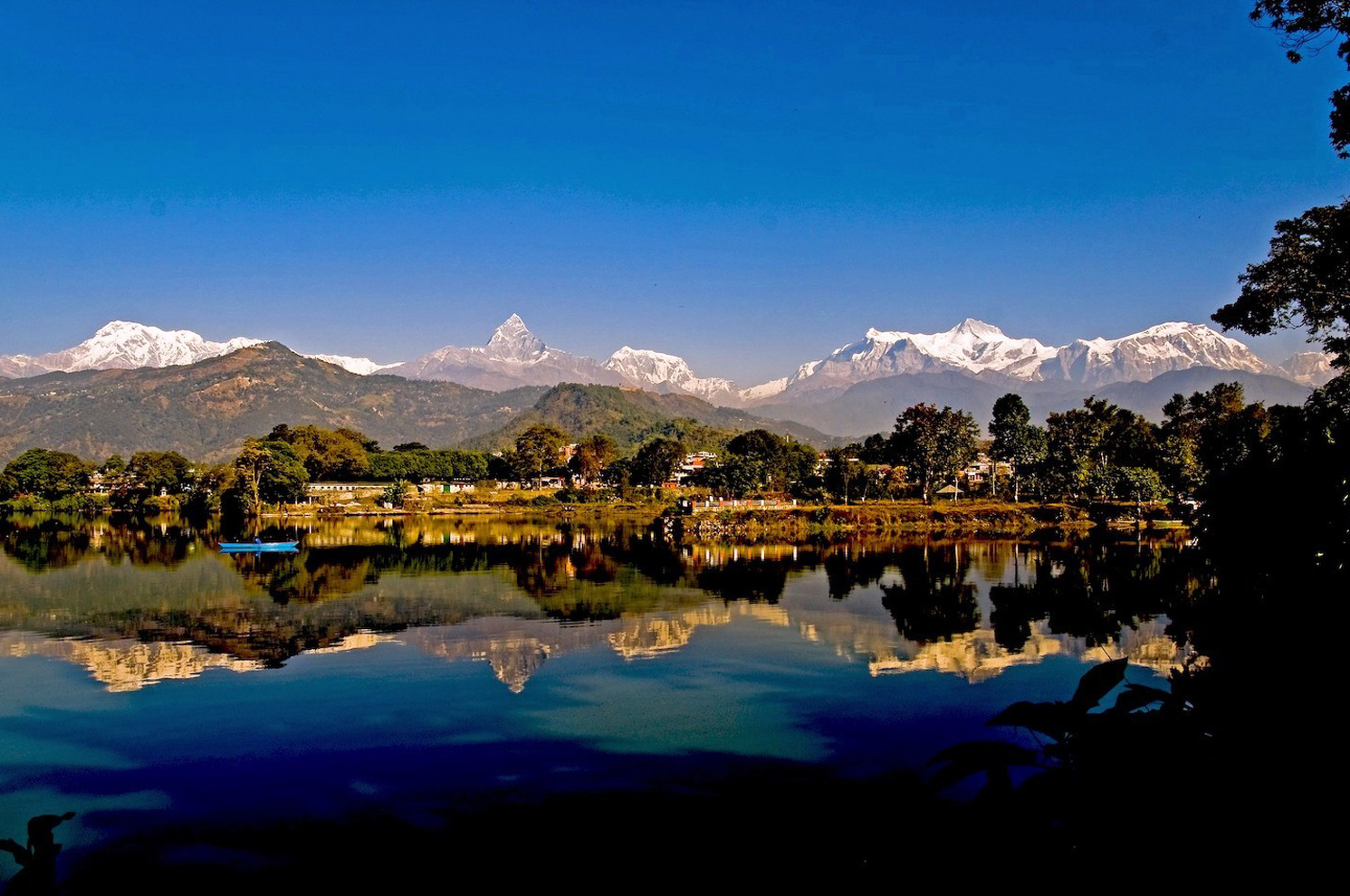
The Mardi Himal Trek not only showcases natural beauty but also offers a glimpse into Nepal’s rich cultural diversity. As you trek through traditional villages and settlements, you’ll encounter the unique lifestyles, customs, and hospitality of several ethnic groups.
Gurung and Magar Communities: Most of the villages along the trail—such as Landruk, Pothana, and Siding—are home to the Gurung and Magar people. These communities are known for their warm hospitality, traditional stone houses, and deep-rooted customs.
Buddhist and Hindu Influences: You’ll see a mix of Buddhist prayer flags, chortens (stupas), and Hindu temples, reflecting Nepal’s harmonious blend of religions. Cultural landmarks and local rituals are common, especially during village festivals.
Traditional Music and Dress: During peak seasons or festivals, you may witness local dances, traditional songs, and people wearing cultural attire. These experiences add richness to the trek and allow trekkers to connect more deeply with local life.
Homestay and Teahouse Hospitality: Staying in local teahouses gives trekkers a chance to experience daily rural life, enjoy Nepali cuisine, and engage with hosts who often share stories about the mountains and their way of life.
The Mardi Himal Trek is not only about breathtaking Himalayan views but also about cultural and spiritual encounters. Along the trail, trekkers can witness several Hindu temples and Buddhist monasteries, reflecting the deep-rooted faith of local communities.
Kathmandu Valley Temples: Before starting the trek, most travelers visit UNESCO World Heritage Sites like Pashupatinath Temple, Swayambhunath Stupa (Monkey Temple) and Boudhanath Stupa, which offer a glimpse of Nepal’s spiritual richness.
Gurung Villages Temples: In villages such as Landruk and Pothana, small local temples dedicated to Hindu deities are found, where villagers gather for daily worship and seasonal festivals.
Buddhist Monasteries: Scattered monasteries and chortens along the lower trails reflect the Buddhist traditions of the Gurung and Tamang communities. Prayer flags and mani walls add a spiritual ambiance to the journey.
Pokhara’s Peace Pagoda: After the trek, many trekkers visit the World Peace Pagoda overlooking Phewa Lake, a serene Buddhist monument that symbolizes harmony.
The combination of Hindu shrines and Buddhist monasteries along the Mardi Himal region enriches the trekking experience, blending natural beauty with cultural spirituality.
The Mardi Himal Trek is not only a journey through scenic landscapes but also an opportunity to experience Nepal’s rich cultural heritage. The trail passes through traditional Gurung and Magar villages, where ancient customs, warm hospitality and communal lifestyles are still preserved.
Local Traditions: Villagers follow age-old agricultural practices, celebrate seasonal harvests, and maintain close ties with nature. Hospitality is central, and trekkers are often welcomed with traditional greetings, homemade food, and cultural stories.
Dashain and Tihar: Celebrated in September–October, these are Nepal’s biggest Hindu festivals. Dashain honors goddess Durga with blessings and family gatherings, while Tihar (Festival of Lights) decorates homes with lamps and honors animals like crows, dogs, and cows.
Maghe Sankranti: A winter festival in January, celebrated with feasts of sesame sweets and yam, symbolizing prosperity and the end of the cold season.
Losar (Tibetan New Year): Observed by Gurung and Tamang communities in February–March, Losar is marked with colorful dances, rituals, and family gatherings.
Teej: A women’s festival in August/September where married and unmarried women dress in red, sing devotional songs, and pray for family well-being.
Experiencing these festivals and traditions on the Mardi Himal Trek offers trekkers a deeper connection to local life, making the journey more than just a mountain adventure.
Preparing the right gear is essential for a comfortable and safe Mardi Himal Trek. Here’s a comprehensive packing list tailored for the trek’s moderate difficulty and varying weather conditions:
Clothing:
Backpack and Accessories:
Sleeping and Personal Items
Optional but Useful:
Make sure your gear is lightweight and suitable for both warm days and cold nights. Packing smart helps you enjoy the Mardi Himal Trek comfortably and safely.
Mardi Himal Trek Difficulty:
Wondering, “How difficult is the Mardi Himal Trek?” It’s considered a moderate trek, suitable for trekkers with a basic fitness level. The trail involves steady climbs but doesn’t require technical skills. Proper acclimatization and hydration help in minimizing altitude sickness risks, especially near Mardi Himal Base Camp.
Why You Need Travel Insurance for Trekking
Trekking in the Himalayas, including the Mardi Himal Trek, involves unpredictable weather, high altitudes, and remote terrain. Having comprehensive travel insurance is essential for a safe and worry-free adventure.
Medical Emergencies: Altitude sickness, injuries, or sudden illnesses can occur during the trek. Travel insurance covers medical treatment, hospital stays, and emergency evacuation if needed.
Emergency Evacuation: In remote mountain areas, access to hospitals can be difficult. Insurance covers costly helicopter rescue or emergency transport, which can save your life.
Trip Cancellation and Delay: Unexpected events like flight cancellations, natural disasters, or political unrest can disrupt your plans. Travel insurance reimburses non-refundable expenses and covers delays.
Loss or Theft: Insurance protects your valuable trekking gear, passport, and personal belongings against loss, theft, or damage.
Peace of Mind: Knowing you’re protected allows you to fully enjoy the breathtaking landscapes and cultural experiences without unnecessary stress.
Nepal
13 Days
Easy to Moderate
Trekking / Hiking
Kathmandu
Kathmandu
4,500 meters (Mardi Himal Base Camp)
Hotel/Teahouses
Not included
2 to 10 people
Spring (March to May) & Autumn (September to November)
ACAP (Annapurna Conservation Area Permit)