
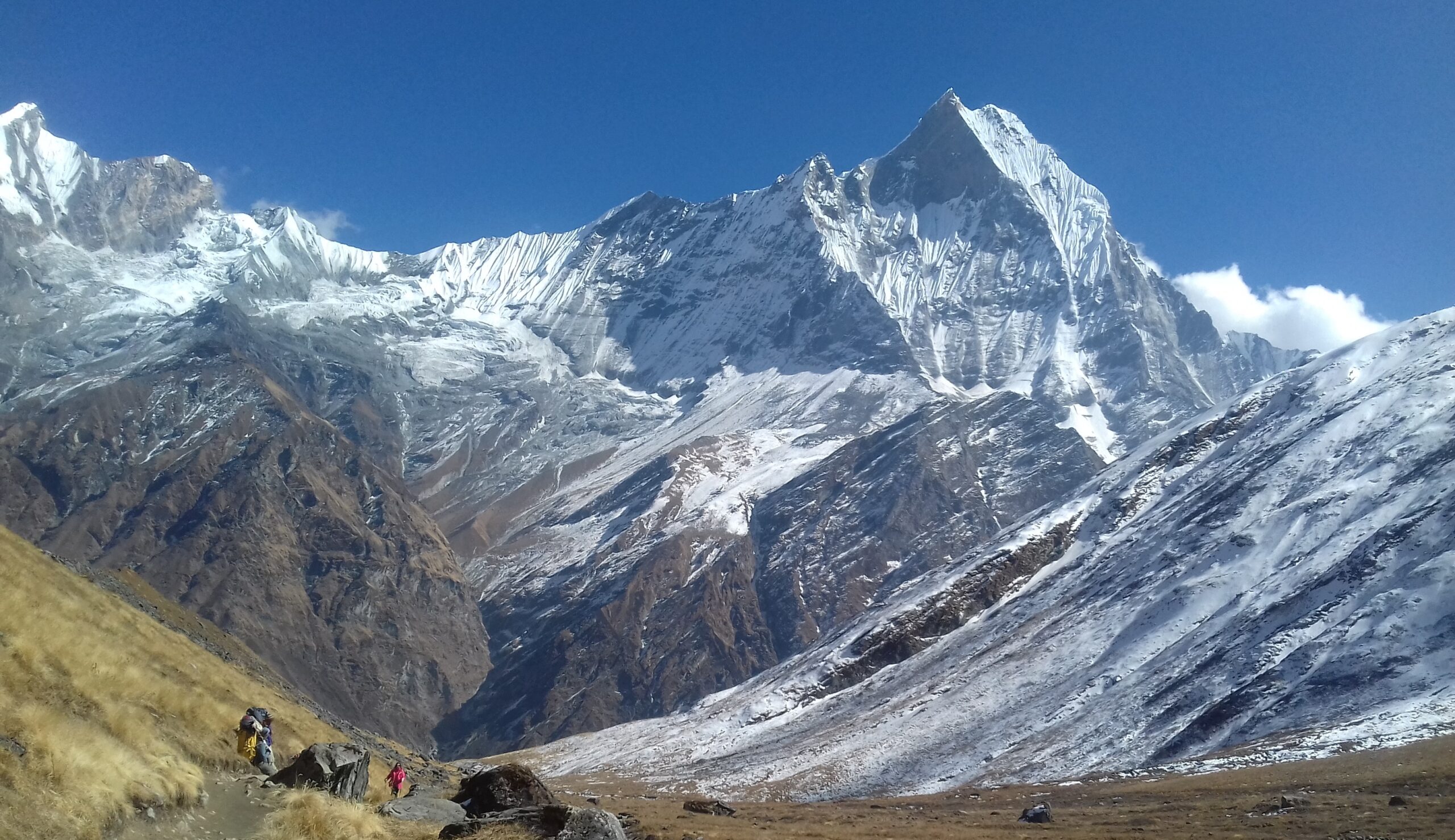
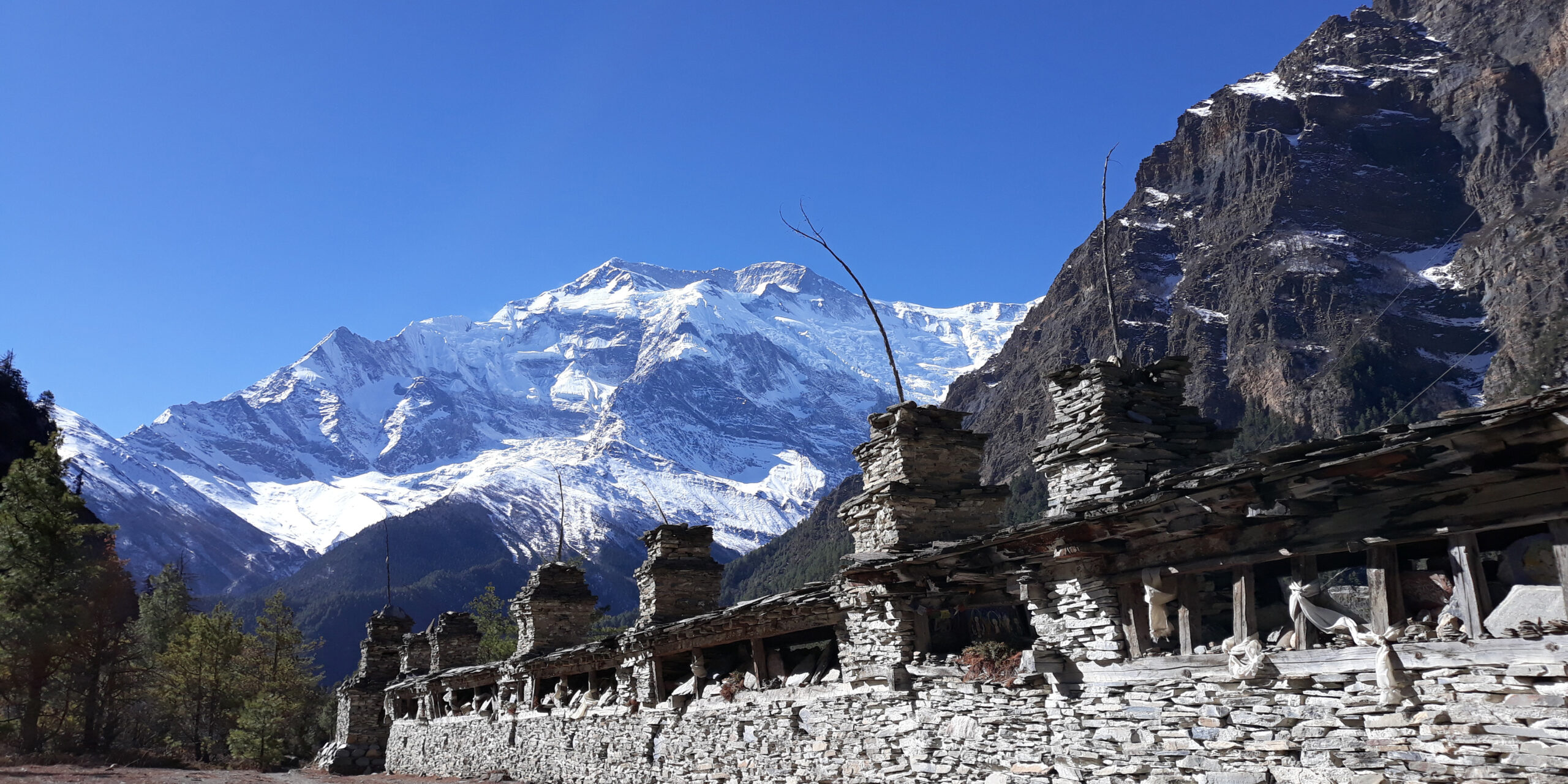
The Annapurna Circuit Trek Nepal is the most iconic and diverse journeys in the Himalayas, offering an unmatched blend of culture, landscape, and adventure. Regarded as a classic route for trekking in the Annapurna region, this trek takes you through lush sub tropical forests, alpine meadows, high Himalayan passes, and arid Tibetan plateaus—all in a single circuit.
The Annapurna Circuit Trek from Kathmandu typically begins with a scenic drive to Besisahar or further to Chame, depending on road conditions. Many trekkers now prefer the drive to Chame for Annapurna Circuit to skip the lower road sections and dive straight into the heart of the trek. The Annapurna Circuit starting point varies based on itinerary preferences, but Chame and Dharapani are now common starting locations.
Following the Marsyangdi River valley, the trail gradually ascends toward the breathtaking Thorong La Pass trek, the highest point of the circuit at 5,416 meters. Crossing this high-altitude pass is a major highlight, offering panoramic views of the Annapurna and Dhaulagiri ranges.
After reaching the sacred temple town of Muktinath—renowned as a spiritual site where many believe one can attain Nirvana—you’ll descend into the Kali Gandaki Valley. This river valley, known as the deepest gorge in the world, leads to Jomsom, where a short and scenic flight takes you back to Pokhara.
Along the route, trekkers enjoy warm hospitality in local tea houses on the Annapurna Circuit, making it a comfortable yet immersive cultural experience. Adventurous trekkers can also extend the journey with a detour to Annapurna Circuit with Tilicho Lake, one of the highest-altitude lakes in the world.
The total Annapurna Circuit Trek distance varies depending on the starting and ending points but generally ranges between 160–230 kilometers. Whether you’re looking for natural beauty, cultural encounters, or high-altitude adventure, the Annapurna Circuit delivers it all in one unforgettable journey.
Trekkers who prefer a shorter but equally scenic option in the Annapurna region often choose the Annapurna Base Camp Trek, which leads directly into the heart of the Annapurna Sanctuary. Those looking for a quick and accessible taste of the range can opt for the Ghorepani Poon Hill Trek, one of the most popular short treks in Nepal. The Mardi Himal Trek is another excellent alternative offering solitude and close-up views of Machapuchare (Fishtail).
The best time for Annapurna Circuit Trekking is during the spring (March to May) and autumn (September to November) seasons. These periods offer the most favorable weather, stunning mountain views, and comfortable trekking conditions, making your journey across the Annapurna region truly unforgettable.
Spring Season (March to May): Spring brings mild temperatures and longer daylight hours, perfect for trekking. During this time, the rhododendron forests burst into vibrant bloom, painting the landscape with rich colors. The skies are generally clear, providing spectacular views of the Annapurna and Dhaulagiri mountain ranges. Spring is ideal for nature lovers and photographers wanting to capture the Himalayas at their best.
Autumn Season (September to November): Autumn is considered the peak trekking season in Nepal. After the monsoon rains, the air is fresh and clean, with crisp blue skies and excellent visibility. Temperatures are moderate—cool in the mornings and evenings but warm during the day. Trails are dry and safe, making it a favorite time for trekkers. The festive season in Nepal also adds a cultural charm to the trekking experience.
Winter Season (December to February): Winter brings cold temperatures and snowfall, especially at higher altitudes like Thorong La Pass. While the lower sections of the trek remain accessible, crossing the high pass can be challenging or even impossible due to snow and icy conditions. Winter trekking is suited for experienced adventurers prepared for colder weather and limited services.
Monsoon Season (June to August): The monsoon season is generally not recommended for trekking the Annapurna Circuit due to heavy rainfall, slippery trails, and the risk of landslides. However, the rain-shadow areas around Manang and Muktinath tend to be drier and may still be accessible. Trekkers during this season should be prepared for wet conditions and limited visibility.
The Annapurna Circuit Trek experiences a wide range of weather and temperature conditions due to its significant variation in altitude—from about 800 meters at the starting point to over 5,400 meters at Thorong La Pass. Understanding these changes helps trekkers prepare and pack accordingly.
Lower Elevations (800m – 2,500m)
Mid-Elevations (2,500m – 4,000m)
High Elevations (Above 4,000m)
During the Annapurna Circuit Trek, trekkers stay in locally-run tea houses that provide basic yet comfortable accommodation and freshly cooked meals. These tea houses are available throughout the route—from the lower villages like Chame and Pisang to high-altitude stops like Manang and Thorong Phedi.
Accommodation:
Food:
The tea houses on the Annapurna Circuit not only offer nourishment and rest but also a chance to experience local culture and connect with fellow trekkers. Meals are wholesome, and while options become more limited at higher elevations, they are still hearty and satisfying.
Transportation to and from the Annapurna Circuit Trek involves a mix of road travel and air transfer, making the journey accessible and convenient. Most trekkers start by traveling from Kathmandu to Besisahar or directly to Chame by bus or private jeep, thanks to improved road networks that shorten trekking distances.
The trek follows well-established trails through remote mountain villages, with limited motorable roads used primarily by local vehicles. At the end of the trek, travelers typically fly from Jomsom to Pokhara, enjoying breathtaking views of the Himalayas. From Pokhara, you can return to Kathmandu by bus, flight, or private vehicle, completing the full Annapurna Circuit experience.
Staying connected during the Annapurna Circuit Trek is possible, but the quality of the internet and mobile network varies significantly based on location and altitude. While lower-altitude villages offer decent connectivity, the service becomes weaker or disappears altogether in higher and more remote areas.
Mobile Network Coverage: Two major telecom providers in Nepal—Nepal Telecom (NTC) and Ncell—operate in the Annapurna region. Among them, NTC generally provides better coverage along the Annapurna Circuit. You can expect decent mobile signals in popular villages like Chame, Pisang, Manang, Muktinath, and Jomsom.
However, as you approach higher altitudes—particularly near Thorong Phedi, Thorong La Pass, and some parts of the Marsyangdi valley—the mobile signal may become unstable or completely unavailable.
Internet Access (Wi-Fi): Many tea houses on the Annapurna Circuit offer Wi-Fi for a small charge. In lower villages like Besisahar, Chame, Pisang, and Manang, the internet speed is usually sufficient for basic browsing and messaging. Higher up, in places like Yak Kharka, Thorong Phedi, and High Camp, Wi-Fi may be slow, expensive, or not available at all.
Some areas provide access through Everest Link or Airlink Wi-Fi, which are prepaid internet cards sold at tea houses and shops. These services are more reliable than standard Wi-Fi in remote areas.
Acclimatization is a vital part of the Annapurna Circuit Trek, especially as the trail reaches elevations above 3,000 meters. As you gain altitude, your body needs time to adapt to the decreasing oxygen levels. Without proper acclimatization, trekkers risk developing Acute Mountain Sickness (AMS), which can lead to serious health issues.
Why Acclimatization Is Important: The Annapurna Circuit takes you from 800 meters (Chamje) up to 5,416 meters at Thorong La Pass, making gradual ascent and acclimatization days essential. Altitude sickness can affect anyone, regardless of fitness level or trekking experience.
Key Acclimatization Point: Manang (3,540m): Most itineraries include a rest day in Manang, a high-altitude village surrounded by spectacular Himalayan views. This acclimatization stop is critical before moving toward Yak Kharka and Thorong Phedi.
Popular acclimatization hikes in Manang:
These short hikes help your body adjust while you sleep at the same altitude.
The Annapurna Circuit Trek passes through a range of ecosystems—from lush subtropical forests to arid alpine landscapes—making it one of the most biologically diverse trekking routes in Nepal. The dramatic changes in elevation, climate, and terrain along the trail support a wide variety of flora and fauna, giving trekkers an incredible opportunity to witness Himalayan biodiversity up close.
Flora on the Annapurna Circuit Trek:
Subtropical Forests (Below 2,000m): In the lower regions around Besisahar, Chamje, and Dharapani, the trail winds through dense forests filled with bamboo, rhododendron, oak, and pine trees. Rhododendrons—the national flower of Nepal—bloom spectacularly in spring (March to May), adding bursts of color to the landscape.
Temperate to Alpine Forests (2,000m – 3,500m): As you ascend toward Chame, Pisang, and Manang, you’ll see fir, juniper, birch, and hemlock trees. These coniferous forests give way to alpine meadows and shrublands at higher elevations.
High-Altitude and Semi-Arid Zones (Above 3,500m): Near Manang and Thorong La Pass, vegetation becomes sparse, with dwarf shrubs, hardy grasses, and medicinal herbs adapted to cold, dry conditions.
Fauna on the Annapurna Circuit:
Common Wildlife: Trekkers may spot Himalayan Tahr, Blue Sheep (Bharal), Langur monkeys, and Marmots in the wild. These animals are often seen in open areas, especially near Yak Kharka and Thorong Phedi.
Rare and Endangered Species: With luck and a sharp eye, you might glimpse elusive animals like the Snow Leopard or Red Panda, though sightings are rare. Musk deer and Himalayan black bears also inhabit forested zones but tend to avoid human activity.
Birdlife: The Annapurna region is a paradise for bird watchers. Look for species like Himalayan Monal (Danphe)—Nepal’s national bird—along with Lammergeiers, Snow Pigeons, Himalayan Griffons, and various eagles and finches.
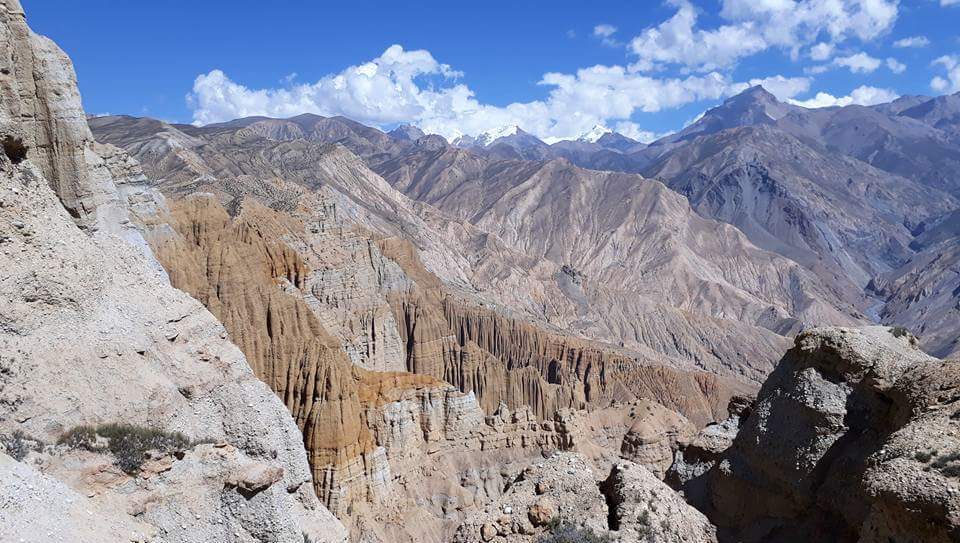
One of the most enriching aspects of the Annapurna Circuit Trek is its vibrant cultural diversity. As you travel through changing landscapes, you’ll also pass through distinct cultural zones, home to various ethnic groups with unique traditions, languages, and lifestyles. The trek is not just a physical journey through the Himalayas but also a deep cultural immersion.
Gurung and Magar Communities (Lower Regions – Besisahar to Chame)
In the lower parts of the circuit, particularly around Besisahar, Jagat, and Dharapani, you’ll find villages inhabited by the Gurung and Magar ethnic groups. These communities are known for their warm hospitality, colorful festivals, and deep involvement in the Gurkha regiments. Traditional stone houses, terraced fields, and local customs provide a welcoming introduction to the trek.
Tibetan-Influenced Culture (Mid to High Altitudes – Pisang to Manang)
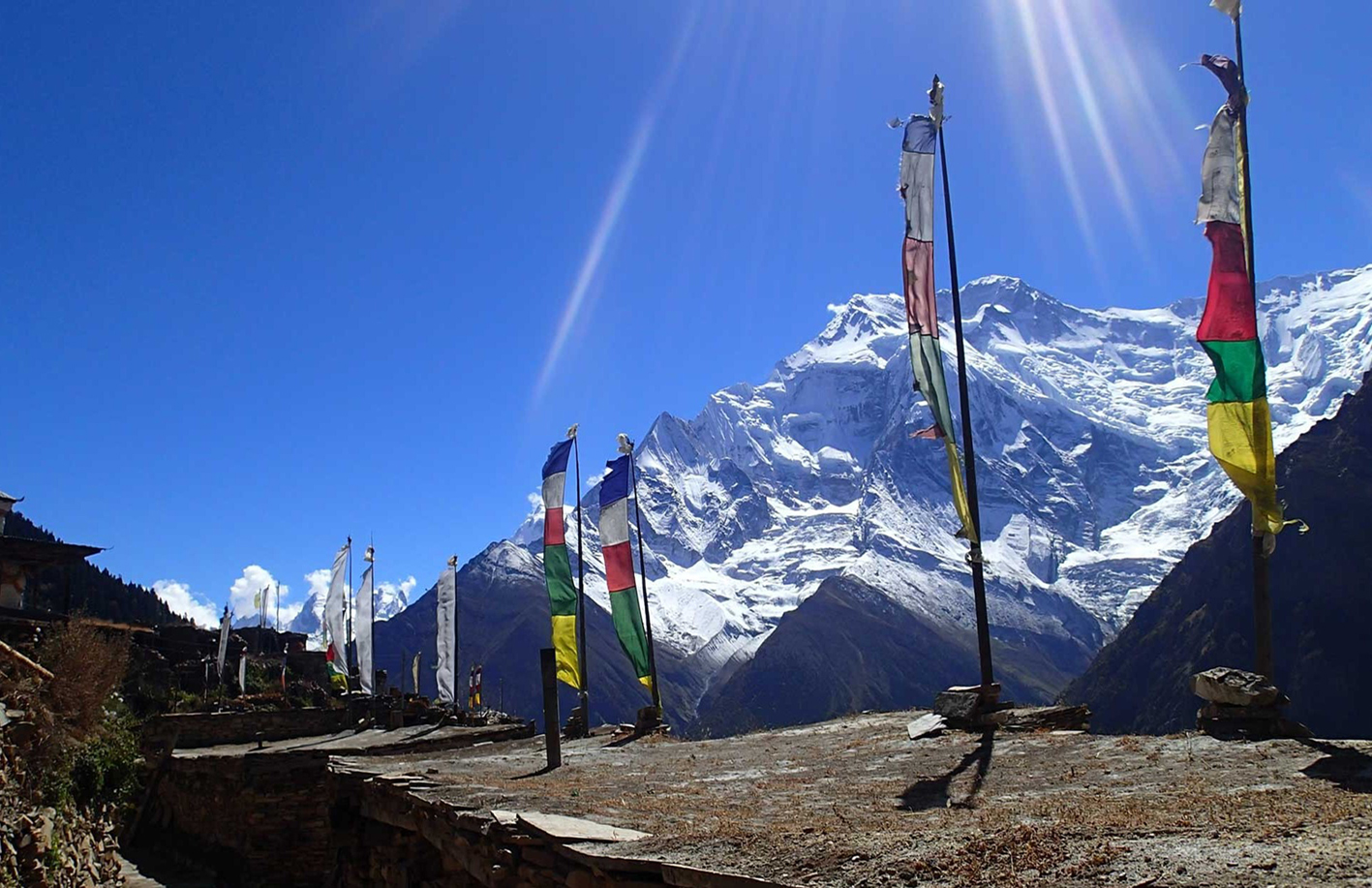
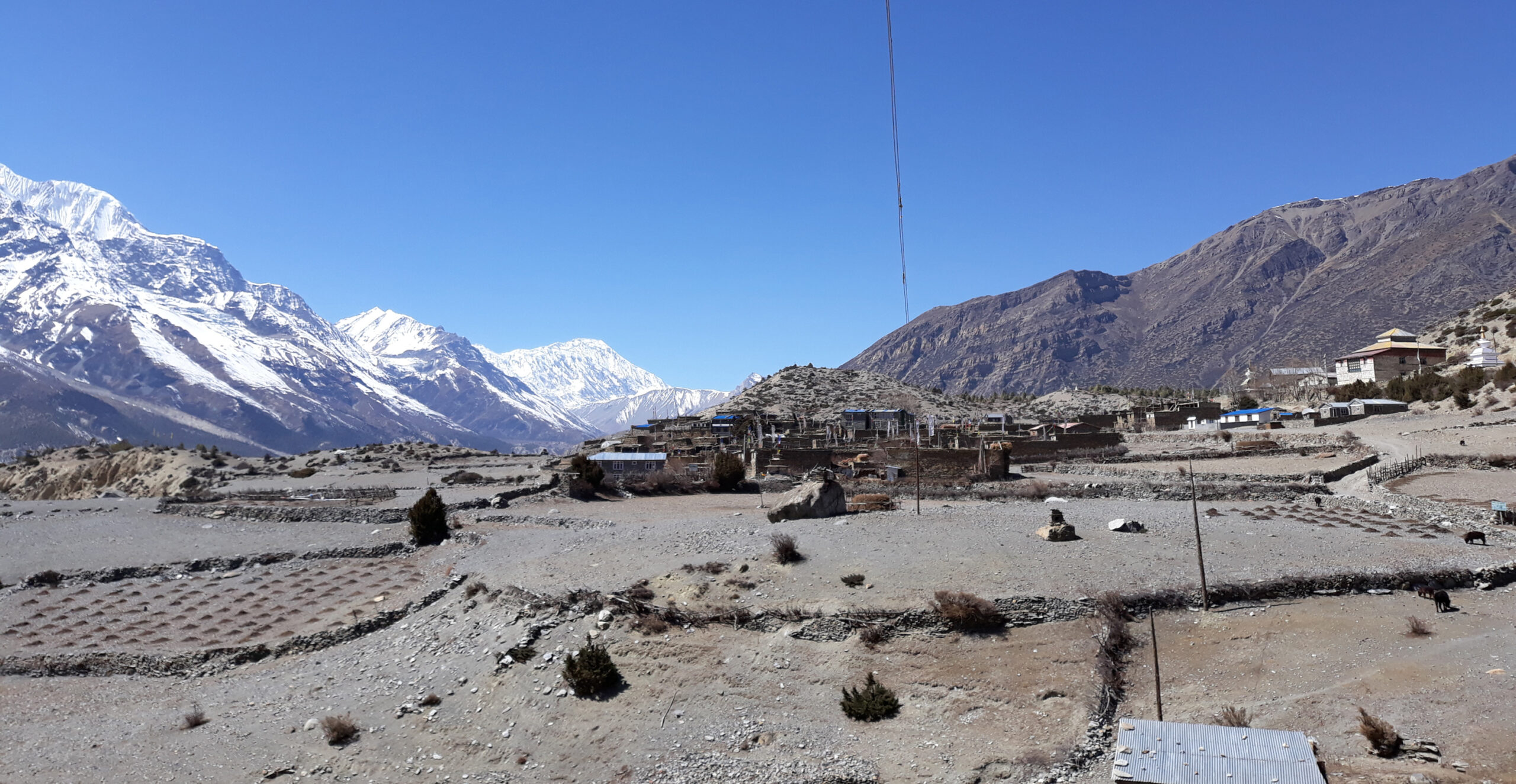
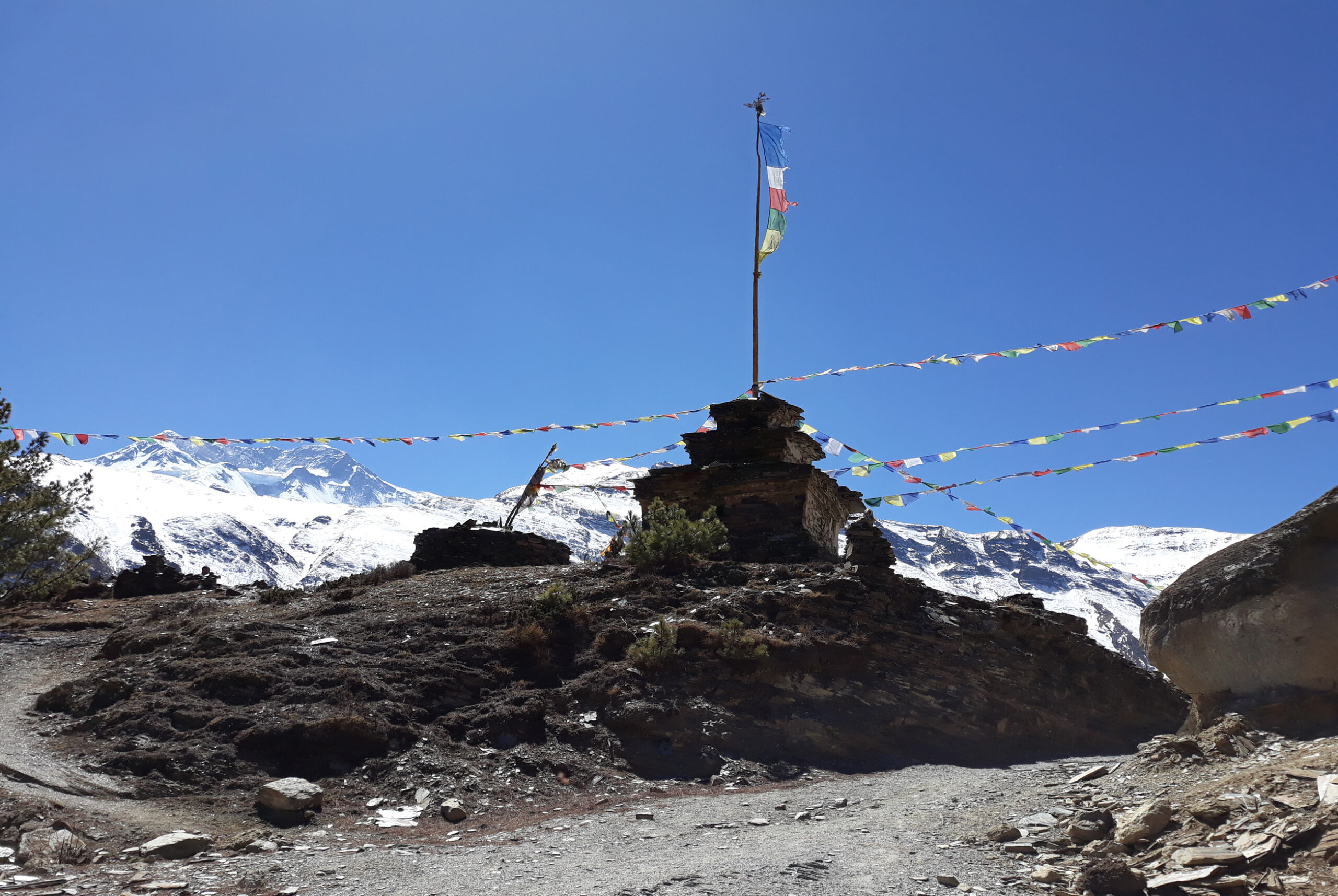
As you ascend towards Pisang, Nawal and Manang the landscape—and culture—shifts. Here, you’ll experience strong Tibetan Buddhist influences, visible in mani walls, prayer flags, chortens (stupas), and ancient monasteries. The people of Manang are known for their Bon and Buddhist traditions, yak herding, and centuries-old trade routes with Tibet.
Sacred Pilgrimage at Muktinath (Spiritual Crossroads)
Muktinath is one of the most sacred pilgrimage sites in Nepal, revered by both Hindus and Buddhists. Hindu devotees come to bathe in its 108 holy water spouts, while Buddhists believe it is a place of spiritual liberation. This unique spiritual coexistence is a rare and meaningful highlight of the Annapurna Circuit.
Thakali Culture in the Kali Gandaki Valley (Muktinath to Jomsom)
Descending into the Kali Gandaki Valley, you’ll encounter the Thakali people, known for their rich culture and delicious cuisine. Their villages—like Jomsom and Marpha—feature well-built stone houses, apple orchards, and beautiful monasteries. The Thakali are admired for their entrepreneurship and well-preserved heritage.
The Annapurna Circuit is not only about mountain views but also rich in cultural and spiritual landmarks. Along the trail, trekkers encounter ancient temples, Buddhist monasteries, and chortens that reflect the region’s Hindu and Tibetan Buddhist heritage.
These sacred sites add a spiritual depth to the trek, allowing travelers to experience the cultural essence of the Himalayas alongside natural beauty.
The Annapurna Circuit is a cultural journey as much as a trekking adventure. The trail passes through diverse communities—Gurung, Manangi, Thakali and Tibetan-influenced villages—each with its own traditions and vibrant festivals.
Losar (Tibetan New Year): Celebrated in Manang and Mustang with dances, prayers, and family gatherings.
Dashain & Tihar: Nepal’s biggest Hindu festivals, marked by colorful decorations, animal sacrifices (Dashain), and lights (Tihar).
Yartung Festival (Muktinath/Jomsom): A lively horse-racing celebration at the end of the monsoon, symbolizing victory and community unity.
Buddhist Ceremonies: Daily prayers, spinning prayer wheels, and lighting butter lamps are part of life in monasteries along the trail.
These traditions and festivals enrich the Annapurna Circuit Trek, giving trekkers the chance to witness centuries-old customs that are deeply tied to the mountains and local way of life.
Essential Trekking Gear:
Clothing: Layering System
Base Layers:
Insulation:
Outer Layers:
Other Clothing:
Footwear:
Toiletries & Personal Items
First Aid & Medications
Documents & Permits
Electronics & Accessories:
Optional but Helpful Items
Pro Tip: You can rent or buy gear in Kathmandu if you don’t want to bring everything from home. Rental items include sleeping bags, jackets, poles, and backpacks at affordable rates.
Trekking the Annapurna Circuit is an incredible adventure—but it also involves risks due to high altitude, rugged terrain, and unpredictable weather. That’s why travel insurance is strongly recommended—and often required—for anyone planning this trek.
Emergency Evacuation and Medical Coverage The trek reaches elevations over 5,400 meters (Thorong La Pass), where Acute Mountain Sickness (AMS) and altitude-related illnesses can occur. In severe cases, helicopter evacuation is necessary—and without insurance, this can cost thousands of dollars. A good travel insurance policy covers:
Trip Cancellations or Delays: Flight cancellations between Jomsom and Pokhara, road blockages, and extreme weather can disrupt your schedule. Travel insurance helps recover costs from:
Loss, Theft or Damage to Gear: During your trek, there’s always a chance of lost luggage, stolen items, or damaged trekking gear. Travel insurance helps reimburse costs, especially for expensive items like trekking boots, sleeping bags, or electronics.
Nepal
14 Days
Moderate
Trekking
Kathmandu
Kathmandu
5,416m Thorong La Pass
Hotel/Teahouses
Not included
2–10 people
Spring (March–May) & autumn (September–November)
ACAP (Annapurna Conservation Area Permit)