
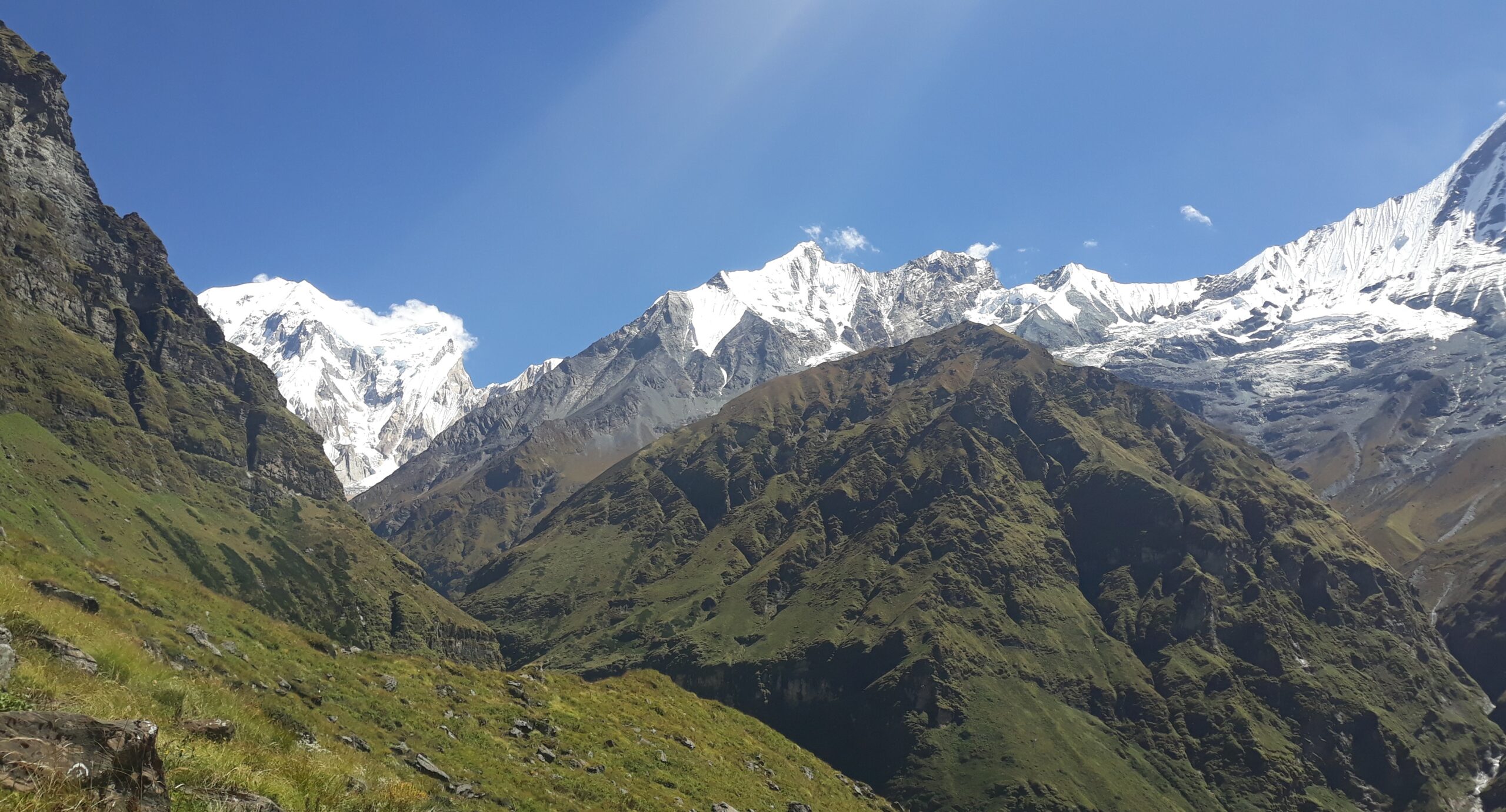
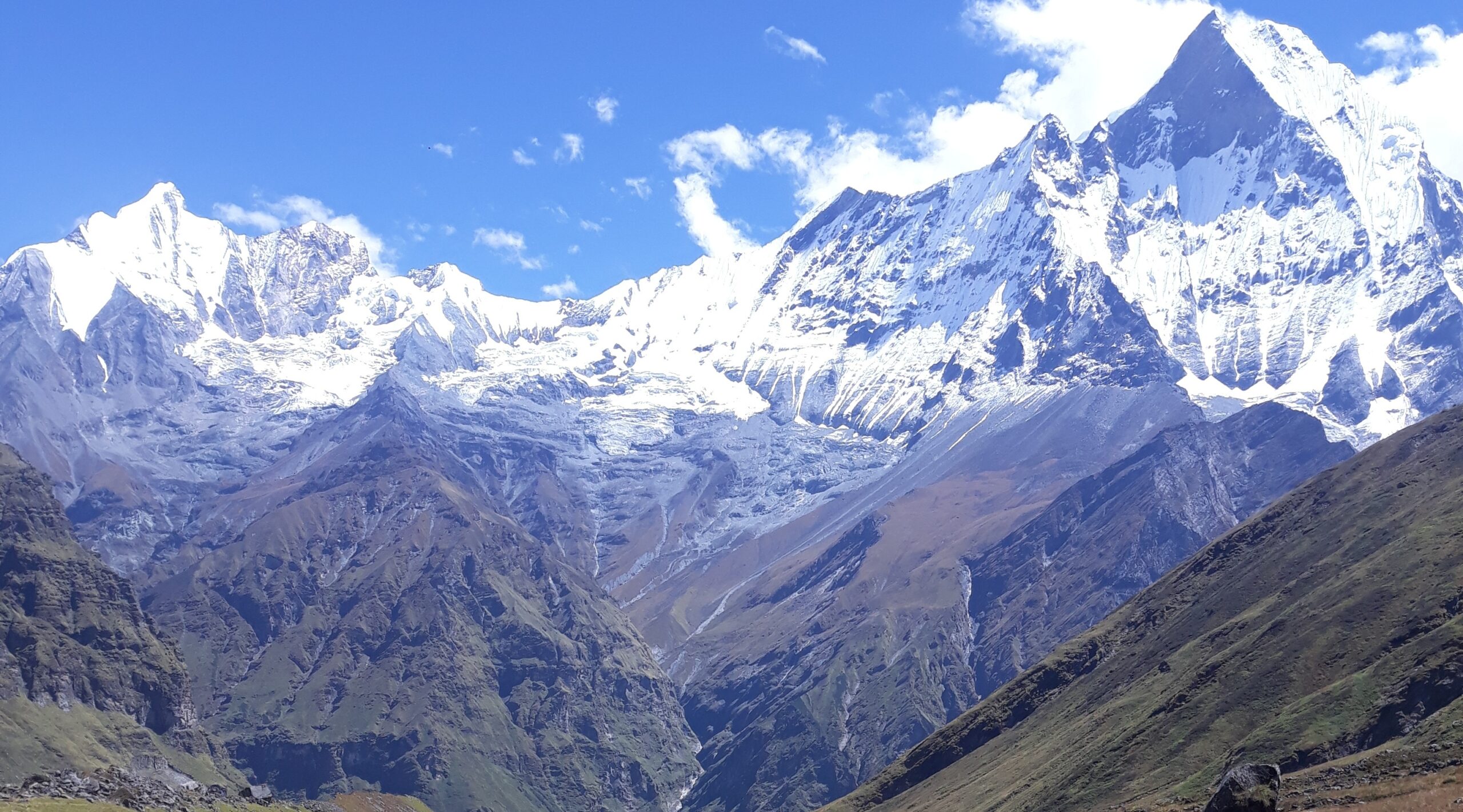
The Annapurna Base Camp Trek is one of Nepal’s most popular and scenic trekking adventures, ideal for trekkers seeking moderate difficulty, rich culture and stunning Himalayan views. Located in the heart of the Annapurna Conservation Area, the trek takes you to an altitude of 4,130 meters (13,550 feet) at the foot of Mount Annapurna I—the 10th highest peak in the world.
This classic trek begins with a short drive from Pokhara to Nayapul and passes through charming villages like Ulleri, Ghorepani, Chhomrong and Sinuwa. Along the trail, you’ll walk through terraced farmlands, rhododendron forests, and river valleys, eventually reaching the breathtaking Annapurna Sanctuary surrounded by towering snow-capped peaks.
Trekkers can enjoy warm hospitality in local teahouses, traditional Nepali food and even take a relaxing dip in the natural hot springs at Jhinu Danda on the way back. The ABC trek also offers incredible sunrise views from Poon Hill, a popular viewpoint along the route.
Spring (March–May) and autumn (September–November) are the best seasons for clear skies and pleasant weather. The trek is suitable for beginner to intermediate trekkers with good fitness and usually takes 7 to 12 days, depending on the chosen itinerary.
Whether you’re trekking solo or with a guide, the Annapurna Base Camp Trek promises unforgettable mountain landscapes, cultural encounters, and a rewarding adventure in the heart of the Himalayas.
The Annapurna Base Camp route shares its lower trail with the Ghorepani Poon Hill Trek, making it possible to combine both in a single itinerary. For a longer and more ambitious circuit through the entire Annapurna range, the Annapurna Circuit Trek is the classic choice. Trekkers who prefer a quieter path with equally striking mountain views can also consider the Mardi Himal Trek.
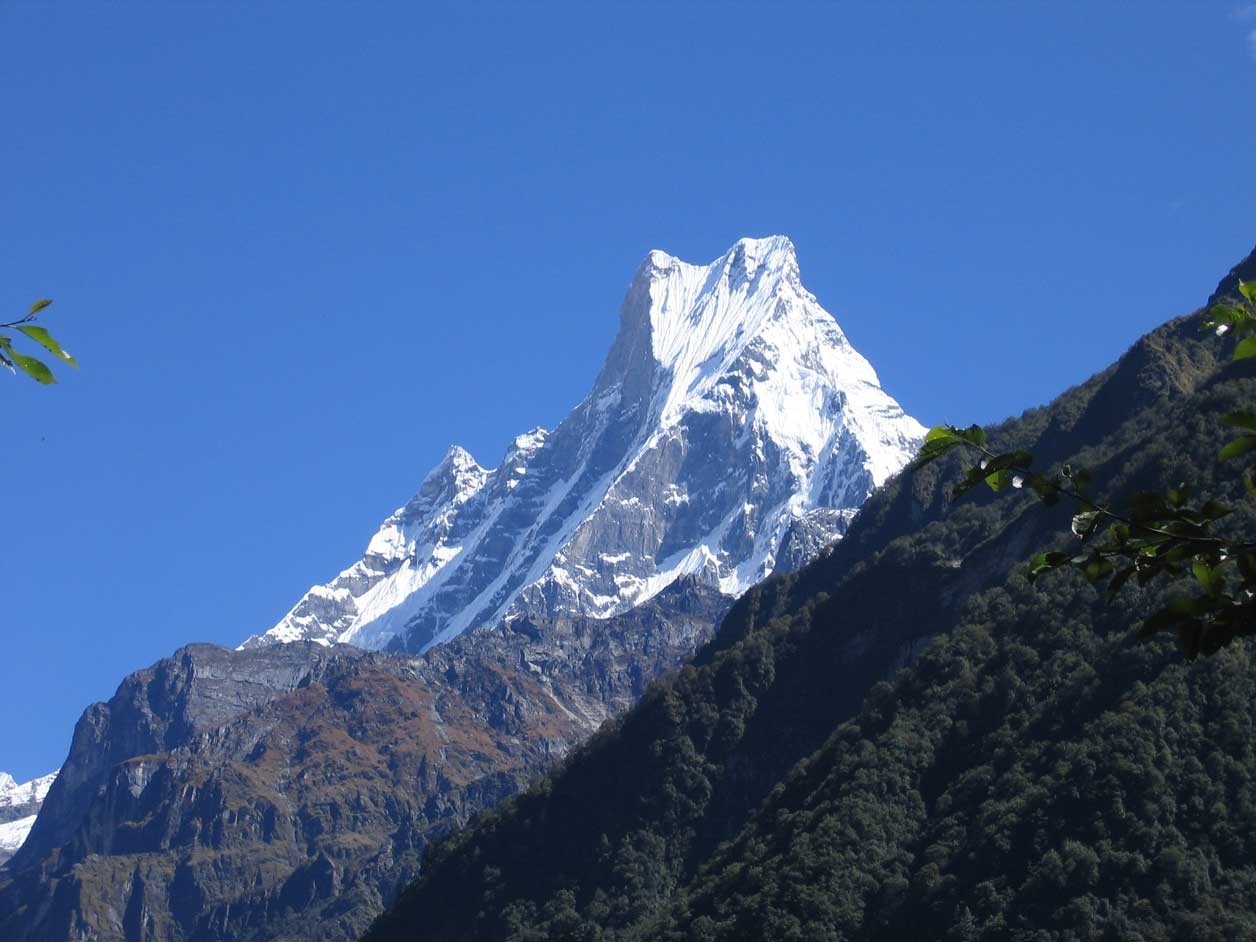
The best time to trek to Annapurna Base Camp is during the Spring (March to May) and Autumn (September to November) seasons. These months offer the most pleasant weather, clear skies, and stunning views of the Annapurna and Machapuchare ranges.
Spring is ideal for witnessing colorful rhododendron forests in bloom and mild temperatures, making the trek more enjoyable. Autumn, on the other hand, provides the clearest mountain views after the monsoon, along with stable weather and excellent visibility.
While winter (December to February) is colder, it is still possible to trek with proper gear and preparation. Monsoon (June to August) is the least recommended time due to heavy rain, slippery trails, and leeches.
For the best trekking experience, choose spring or autumn for the Annapurna Base Camp Trek, ensuring both safety and the most breathtaking Himalayan scenery.
The Annapurna Base Camp (ABC) Trek experiences varied weather and temperature conditions due to its diverse altitude range. Here’s a general overview:
Spring (March to May): Weather: Mild and sunny with clear skies, ideal for trekking.
Temperature: Daytime temperatures range from 10°C to 20°C (50°F to 68°F), but nights can drop to 0°C to -5°C (32°F to 23°F) at higher altitudes.
Autumn (September to November): Weather: Clear skies and mild temperatures, making it the most popular trekking season.
Temperature: Daytime temperatures range from 10°C to 15°C (50°F to 59°F), while nights can get chilly, ranging from -2°C to 5°C (28°F to 41°F).
Winter (December to February): Weather: Cold, with snow at higher altitudes, making trekking challenging.
Temperature: At ABC, temperatures can drop as low as -10°C to -15°C (14°F to 5°F) at night.
Summer (June to August): Weather: The monsoon season brings heavy rains and potential landslides, making trekking less ideal.
Temperature: Daytime temperatures stay around 15°C to 20°C (59°F to 68°F), but rainfall can make conditions uncomfortable and slippery.
The best trekking seasons for the Annapurna Base Camp Trek are spring and autumn due to favorable weather conditions and clear views of the Himalayas.
During the Annapurna Base Camp Trek, you’ll stay in comfortable teahouses run by local families. These teahouses offer basic yet cozy rooms, often with twin-sharing beds and shared bathrooms. They are perfect for resting after a long trekking day.
Meals are hearty and freshly prepared, featuring traditional Nepali dal bhat (rice, lentils, and vegetables), along with popular options like noodles, momos, pancakes, eggs, tea, and coffee. Vegetarian meals are widely available.
Reaching the Annapurna Base Camp (ABC) trek starting point requires a combination of private and public transportation options. Here’s a breakdown of how you’ll get to your trekking destination:
Kathmandu to Pokhara: The journey to Pokhara, the gateway to the Annapurna Base Camp Trek, begins from Kathmandu. You have two main transportation options:
Tourist Bus: A comfortable and budget-friendly option, taking approximately 6-7 hours. This bus ride offers scenic views of Nepal’s countryside.
Domestic Flight: A quicker but slightly more expensive option, flying from Kathmandu to Pokhara in about 25 minutes.
Pokhara to Nayapul (Trek Starting Point): Once in Pokhara, you will travel by private vehicle to Nayapul, the official starting point of the Annapurna Base Camp Trek. The drive typically takes around 1.5 to 2 hours, depending on road conditions.
Trekking from Nayapul to ABC: From Nayapul, the trekking begins, passing through picturesque villages like Tikhedhunga, Ghorepani, and Sinuwa before reaching Annapurna Base Camp.
Return Journey from ABC: At the end of your trek, you will retrace your steps back to Nayapul, where you’ll take a vehicle back to Pokhara and then travel to Kathmandu by bus or flight.
Most teahouses along the Annapurna Base Camp Trek offer Wi-Fi and mobile charging, usually for a small fee. While the signal may vary, basic connectivity is available in many areas, allowing trekkers to stay connected while enjoying authentic Himalayan hospitality.
Acclimatization is a crucial part of the Annapurna Base Camp Trek to help your body adjust to the increasing altitude and avoid altitude sickness. As you ascend, it’s essential to trek slowly, stay hydrated, and follow a gradual pace.
Key acclimatization points like Sama Gaun and Samdo provide opportunities to rest and adjust to the higher altitudes before continuing your journey to Annapurna Base Camp (ABC). These rest days give your body time to adapt, ensuring a safer and more comfortable trek.
By taking necessary precautions such as climbing high, sleeping low, and resting properly, you will enhance your chances of successfully reaching ABC while minimizing the risk of altitude-related issues.
The Annapurna Base Camp Trek takes you through one of the most biodiverse regions of Nepal, thanks to its location within the Annapurna Conservation Area. As you ascend from lowland forests to alpine landscapes, the changing ecosystem offers a chance to witness a wide variety of plant and animal life.
Flora – Rich Plant Life Across Elevations
Fauna – Wildlife Encounters on the Trail
While wildlife can be elusive, trekkers may spot or hear about sightings of:
The Annapurna region is also home to over 450 bird species, making it a haven for bird watchers.
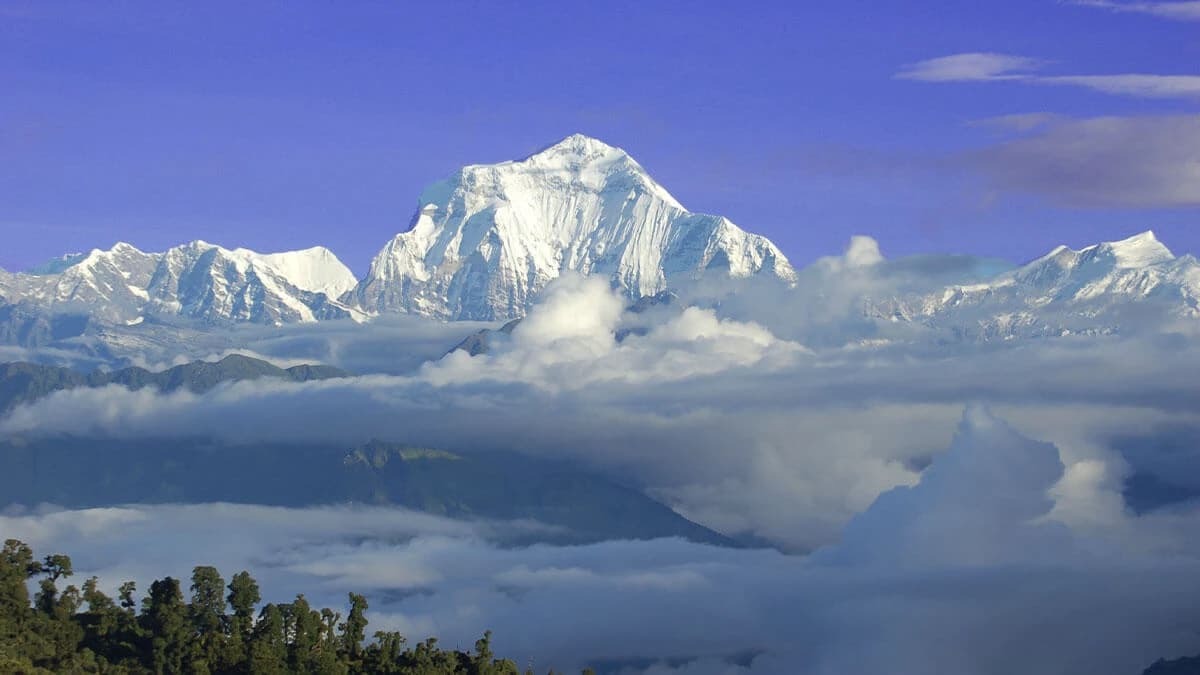
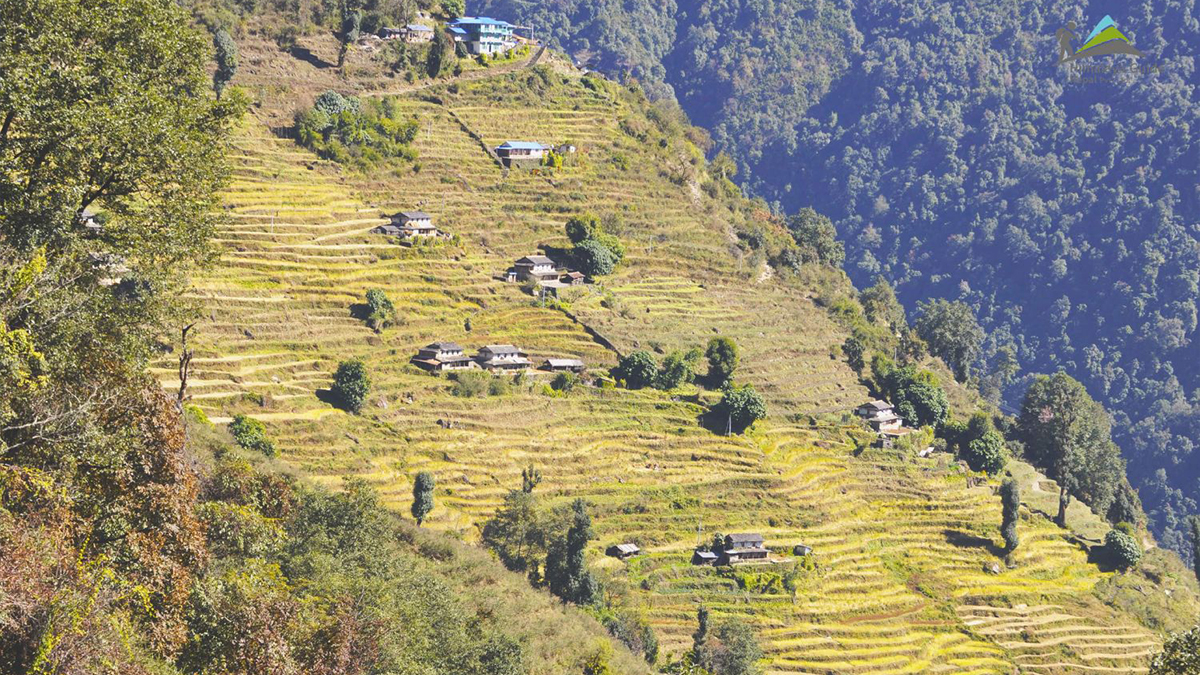
The Annapurna Base Camp (ABC) Trek offers a unique opportunity to experience the rich cultural diversity of the region, shaped by the ethnic communities who have lived here for centuries.
As you journey through the Annapurna Conservation Area, you’ll be immersed in the vibrant traditions, customs, and lifestyles of the Gurung, Magar, and Tamang people, among others. Here’s a deeper look into the cultural highlights of the trek:
Local Communities and Ethnic Groups
Gurung People: Known for their strong cultural heritage, the Gurung people are the largest ethnic group in the Annapurna region. Their rich history, particularly with the British Gurkha soldiers, has shaped their vibrant traditions. The Gurung are friendly, welcoming, and proud of their heritage, showcasing it through festivals, traditional dances, and local music.
Magar People: The Magar people, inhabiting the lower and mid-altitudes of the trek, are known for their unique language, dress, and customs. They have a deep connection to agriculture and animal husbandry, contributing to their distinct way of life.
Tamang People: The Tamang communities, residing in the higher reaches of the trek, have Tibetan roots and practice Buddhism. Their villages are adorned with monasteries, stupas, and prayer flags, giving trekkers a glimpse into their spiritual life.
As you ascend the ABC trail, you’ll pass by Buddhist monasteries and stupas—important places of worship for the local communities. In these serene settings, you can observe rituals, light butter lamps, and hear the soothing sound of mantras being chanted.
The higher altitudes, especially beyond Chhomrong, showcase Tibetan Buddhism, with mani walls (stone walls carved with mantras), prayer wheels and chortens (stupas).
Maghe Sankranti: Celebrated by the Magar and Gurung communities, this New Year festival marks the arrival of the lunar New Year. It is a time for family gatherings, rituals, and celebrations.
Tihar and Dashain: These Hindu festivals are significant in lower-altitude areas of the trek. Tihar is dedicated to worshipping animals like cows, crows, and dogs, while Dashain celebrates the victory of good over evil.
Local Cuisine: The local cuisine along the ABC trek mirrors the cultural diversity of the region. Dal Bhat, a traditional Nepali dish made of rice and lentils, is commonly served with vegetables, pickles, and occasionally meat. Other popular meals include momos (dumplings), noodles, and Tibetan bread. In the higher altitudes, butter tea and Tibetan barley bread are local specialties that reflect the region’s Tibetan influence.
Hospitality and Local Life: The hospitality of the Annapurna region is a highlight of the trek. Teahouse owners and locals are warm, friendly, and proud of their culture, offering trekkers a chance to experience authentic Himalayan hospitality. The teahouses provide a unique opportunity to interact with the local people and immerse you in their stories and traditions.
Spiritual and Religious Practices:
Throughout the Annapurna Base Camp trek, you’ll notice colorful prayer flags strung along the trails, houses, and stupas. These flags carry mantras and prayers, believed to bring blessings and good fortune. The region is also home to several Buddhist monasteries and stupas, where trekkers can offer prayers and reflect on their spiritual journey.
Language: Although Nepali is the official language of Nepal, trekkers will hear a variety of local dialects spoken along the ABC trail, including Gurung, Magar, Tamang and Tibetan. In teahouses, you’ll find that many locals also speak English, making communication easier for trekkers.
Base Layers:
Insulation Layer:
Trekking Pants:
Others:
Head & Handwear
Footwear:
Trekking Gear:
Personal Items:
Electronics & Documents:
Optional but Useful:
Do I Need Travel Insurance for the Annapurna Base Camp (ABC) Trek?
Yes, travel insurance is highly recommended—and often compulsory—for the Annapurna Base Camp (ABC) Trek. This high-altitude trek reaches 4,130 meters and involves remote mountain terrain where medical services are limited. In case of altitude sickness, injury, or sudden illness, a reliable travel insurance policy ensures you’re covered for emergency evacuation, including helicopter rescue, which can be extremely costly without insurance.
Why You Need Travel Insurance for the ABC Trek:
Make sure your policy explicitly covers high-altitude trekking in Nepal. Always read the fine print, and carry a digital and printed copy of your insurance during the trek.
Nepal
13 Days
Easy to Moderate
Trekking/Hiking
Kathmandu
Kathmandu
4,130m (Annapurna Base Camp)
Local Lodges / Hotel
Not included
1 to 10
Spring (March–May) & autumn (September–November)
ACAP Permit (Annapurna Conservation Area Project)