

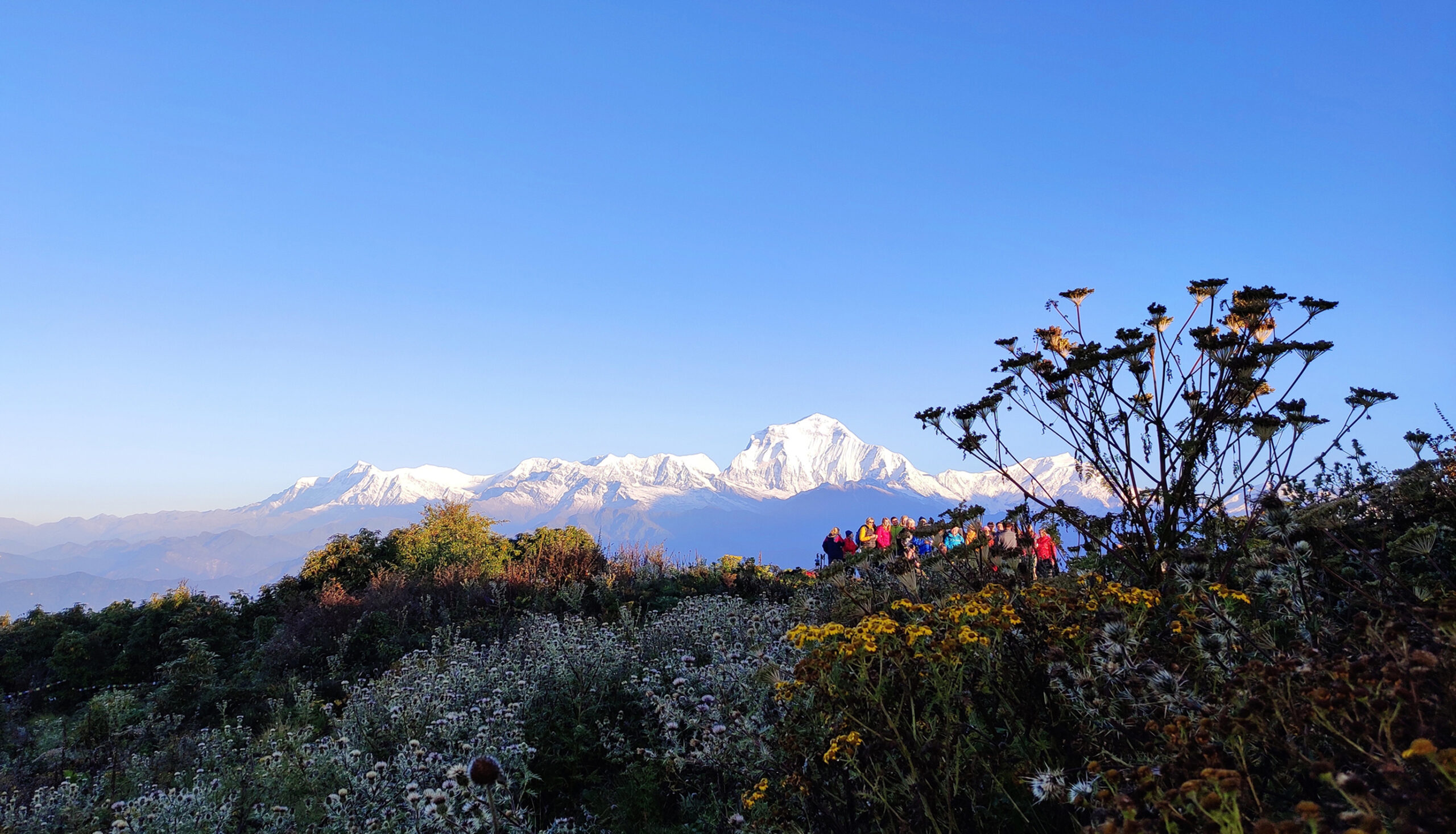
The Ghorepani Poon Hill Trek is a popular and rewarding trekking route in the Annapurna region of Nepal. This trek offers a perfect blend of natural beauty, cultural experiences, and stunning mountain views, making it one of the best short treks near Pokhara.
Starting from the lush foothills, the trail passes through traditional villages like Ghandruk, known for its rich Gurung culture and charming rural lifestyle. Along the way, trekkers enjoy walking through rhododendron forests, terraced fields, and peaceful villages that showcase the warm hospitality of local communities.
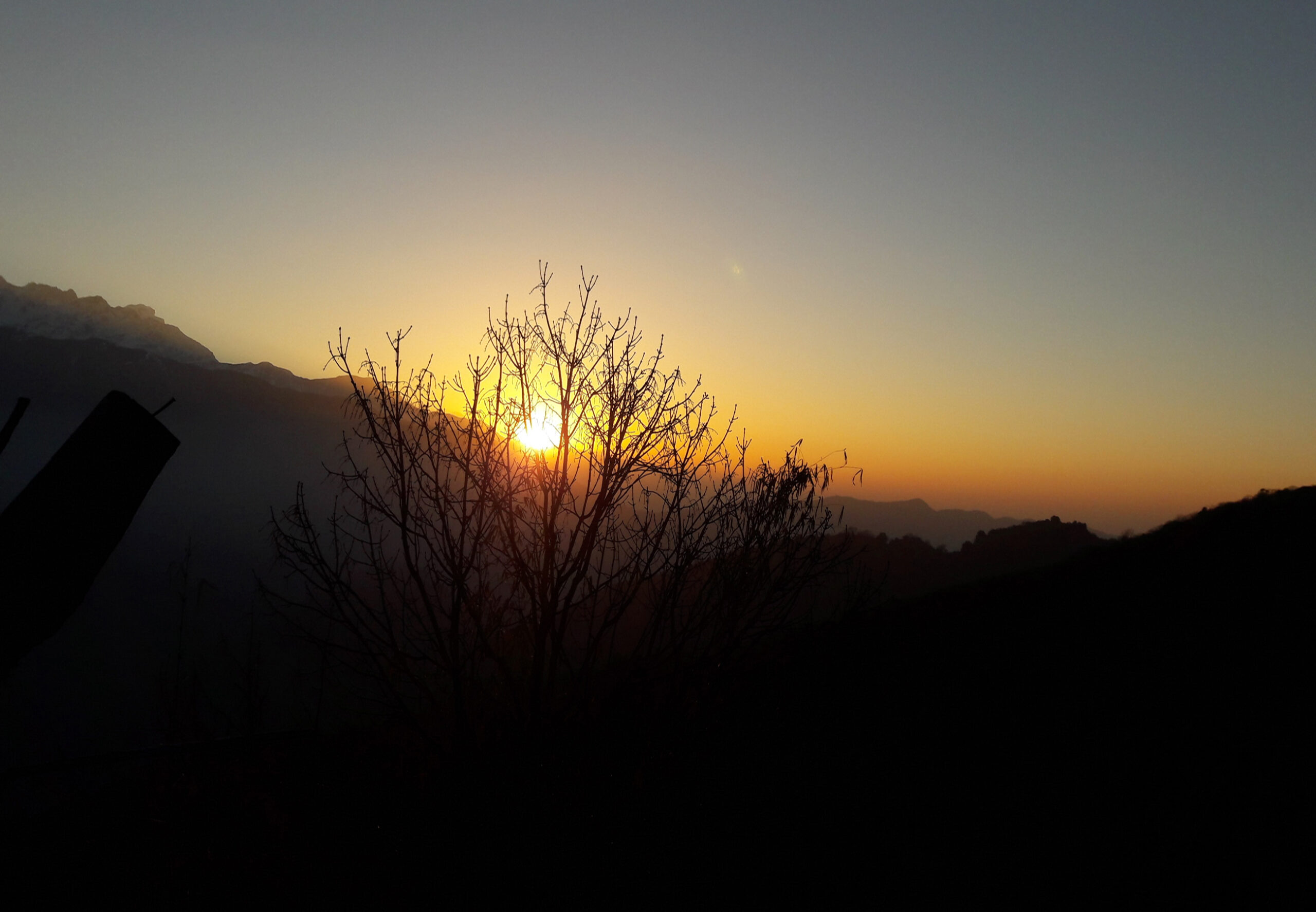
The highlight of the trek is the early morning hike to Poon Hill, a renowned viewpoint offering breathtaking panoramic vistas of the Annapurna and Dhaulagiri mountain ranges, including the iconic peaks of Machhapuchhre (Fishtail) and Annapurna South. The sunrise from Poon Hill is an unforgettable experience, drawing photographers and nature lovers from around the world.
Ideal for beginners and those with limited time, the Ghorepani Poon Hill Trek is a fantastic introduction to Nepal’s trekking culture and Himalayan landscape. This trek combines moderate hiking with cultural immersion and some of the most spectacular mountain scenery in the country.
Poon Hill is often the starting point for trekkers who go on to explore the Annapurna Base Camp Trek, as the two routes share the lower trail before diverging toward the Sanctuary. Those who want a longer Annapurna adventure can extend their itinerary with the full Annapurna Circuit Trek. For a less-trodden path with excellent Annapurna views, the Mardi Himal Trek is a worthy option departing from the same Pokhara base.
The Ghorepani Poon Hill Trek offers stunning hiking experiences throughout the year, but spring (March to May) and autumn (September to November) are the top seasons to visit.
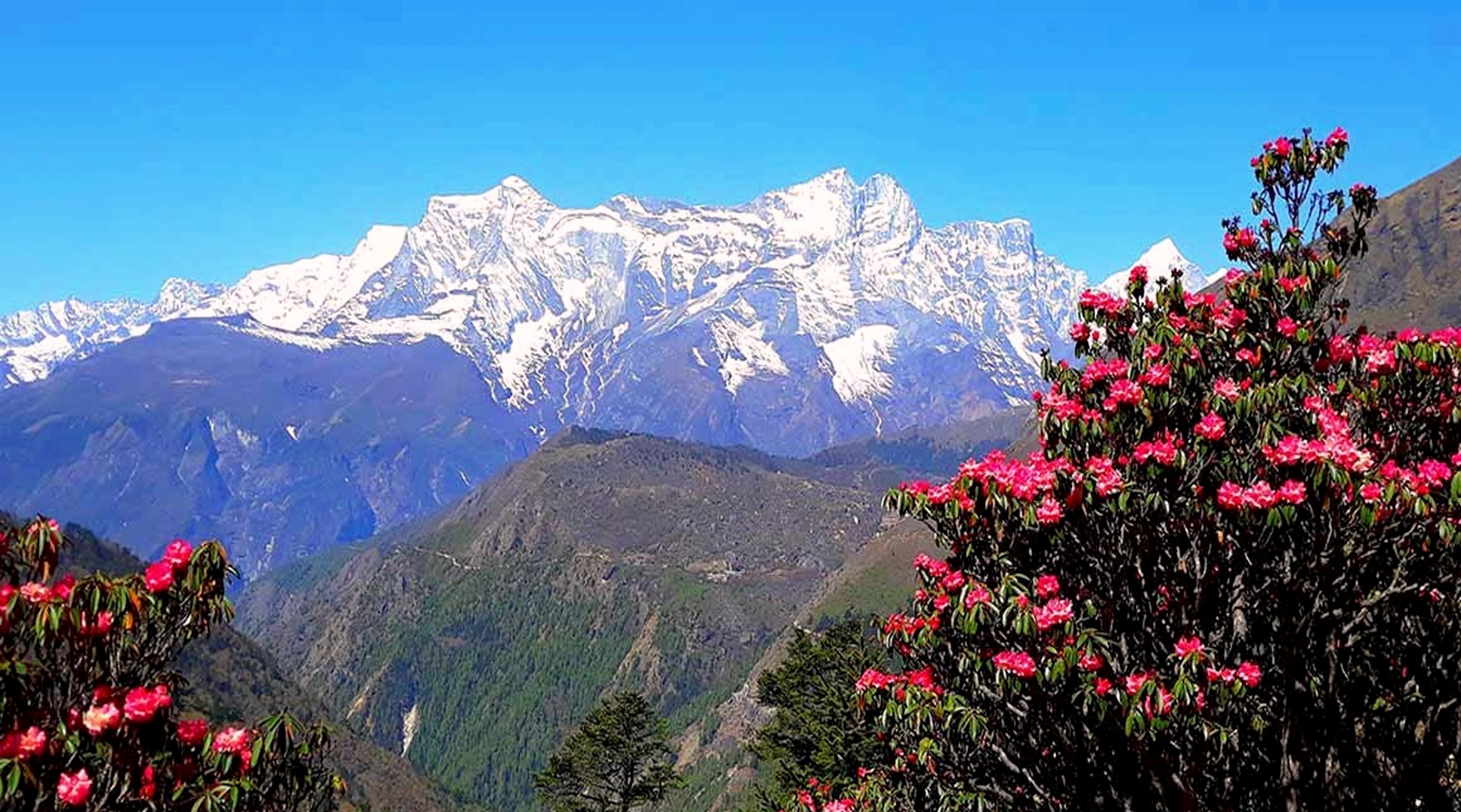
Spring (March-May): Experience vibrant rhododendron blooms that paint the trails in red and pink hues. Daytime temperatures range from 10°C to 20°C, creating perfect hiking conditions and lively landscapes.
Autumn (September-November): Post-monsoon clarity brings crystal-clear views of the Annapurna and Dhaulagiri peaks, making this season a favorite for photographers and nature lovers. The weather is stable with crisp air and stunning mountain panoramas.
Winter (December-February): Trails are less crowded, and you can enjoy frosty mountain vistas. However, sub-zero nighttime temperatures require warm clothing and gear.
Monsoon (June-August): Heavy rains cause slippery paths and leech infestations, making trekking challenging and less enjoyable. It’s best to avoid this season.
For the best overall experience, about 85% of trekkers choose spring for its colorful blooms or autumn for its clear skies and cool weather. During these peak seasons, it’s wise to book teahouses early to secure comfortable accommodation.
The weather on the Ghorepani Poon Hill Trek varies with the seasons, offering different experiences throughout the year.
Spring (March to May): Mild and pleasant temperatures ranging from 10°C to 20°C during the day. Nights can be cool but comfortable, ideal for trekking and enjoying blooming rhododendrons.
Summer/Monsoon (June to August): Warm and humid with frequent heavy rains. Daytime temperatures hover around 15°C to 25°C, but slippery trails and leeches make trekking challenging.
Autumn (September to November): Clear skies and crisp air with daytime temperatures between 12°C and 20°C. Nights are cooler, often dropping to around 5°C, perfect for trekking with stunning mountain views.
Winter (December to February): Cold temperatures with daytime highs of 5°C to 15°C and nighttime lows that can drop below freezing, especially at higher elevations. Snowfall is rare but possible.
The Ghorepani Poon Hill Trek is not just about stunning mountain views and cultural villages — it also offers a comfortable and enjoyable experience when it comes to food and accommodation.
Food on the Trek: Throughout the trail, you’ll find numerous teahouses and lodges that serve freshly prepared, home-style meals. The food is simple, hygienic, and energy-rich — perfect for trekkers.
Common meal options include:
Vegetarian meals are widely available, and most ingredients are locally sourced. While the menu becomes more limited at higher altitudes, meals remain satisfying and filling.
Accommodation on the Trek
Accommodation along the Ghorepani Poon Hill route is offered in local teahouses — small mountain lodges run by local families. These teahouses are simple but cozy and provide everything you need for a pleasant stay.
What to expect:
Although facilities are basic, the warm hospitality, home-cooked meals, and beautiful surroundings make staying in these teahouses a memorable experience. For added comfort, it’s recommended to bring a sleeping bag, especially during colder months.
Reaching the starting point of the Ghorepani Poon Hill Trek involves a mix of public and private transport options. Below is a detailed breakdown to help you plan your journey:
Kathmandu to Pokhara: Pokhara is the gateway to the Ghorepani Poon Hill Trek, located about 200 km west of Kathmandu. You have three main transportation options:
Private Car: A comfortable and flexible option, taking around 5 to 6 hours. Ideal for small groups or travelers seeking convenience and personalized stops along the scenic drive.
Tourist Bus: A budget-friendly choice, offering daily departures from Kathmandu. The journey takes 6 to 7 hours, with scenic views of hills, rivers, and rural landscapes.
Domestic Flight: The fastest way to reach Pokhara, with 25-minute flights operating daily. Though slightly more expensive, it saves time and provides aerial views of the Himalayas. Keep in mind that flights are weather-dependent.
Pokhara to Nayapul (Trek Starting Point): From Pokhara, you’ll travel to Nayapul, the official starting point of the Ghorepani Poon Hill Trek. We provide comfortable private car or van services for this transfer, ensuring a hassle-free journey.
This drive takes approximately 1.5 to 2 hours, depending on traffic and road conditions. While local buses are available as a more budget-friendly option, they tend to be slower and less reliable. Choosing private vehicle allows for flexibility, comfort, and a timely start to your trek.
Mobile and internet connectivity on the Ghorepani Poon Hill Trek is available in most villages but can be limited in higher or remote areas.
Mobile Network: Both NTC and Ncell networks work in lower regions like Tikhedhunga, Ghorepani, and Ghandruk. NTC generally offers better coverage in the mountains.
Wi-Fi: Available in most teahouses for a small fee. Internet speed is enough for basic browsing and messaging but not for heavy use.
Tip: Buy a local NTC SIM card in Pokhara or Kathmandu for better connectivity along the trail.
While not fully reliable everywhere, the trek offers enough network access to stay connected when needed.
The Ghorepani Poon Hill Trek is a low-altitude, moderate trek perfect for beginners, families, and casual hikers. Reaching a maximum height of 3,210 meters at Poon Hill, the trek stays well below the levels where altitude sickness becomes a major concern. Trekkers generally do not require extra acclimatization days, making it a safe and accessible Himalayan adventure. The gradual trails, combined with scenic villages, forests, and terraced fields, allow for a relaxed pace. This makes the trek ideal for those seeking breathtaking mountain views, cultural experiences, and a memorable introduction to trekking in Nepal without high-altitude challenges.
The Ghorepani Poon Hill Trek is rich in biodiversity, showcasing the natural beauty of the Annapurna region’s lower Himalayan ecosystem.
Flora:
Fauna:
The rich flora and fauna along the Ghorepani Poon Hill Trek add a magical touch to this popular route, making it a rewarding experience for nature lovers and photographers.

The Ghorepani Poon Hill Trek offers more than breathtaking landscapes — it provides a rich cultural journey through traditional mountain communities of Nepal.
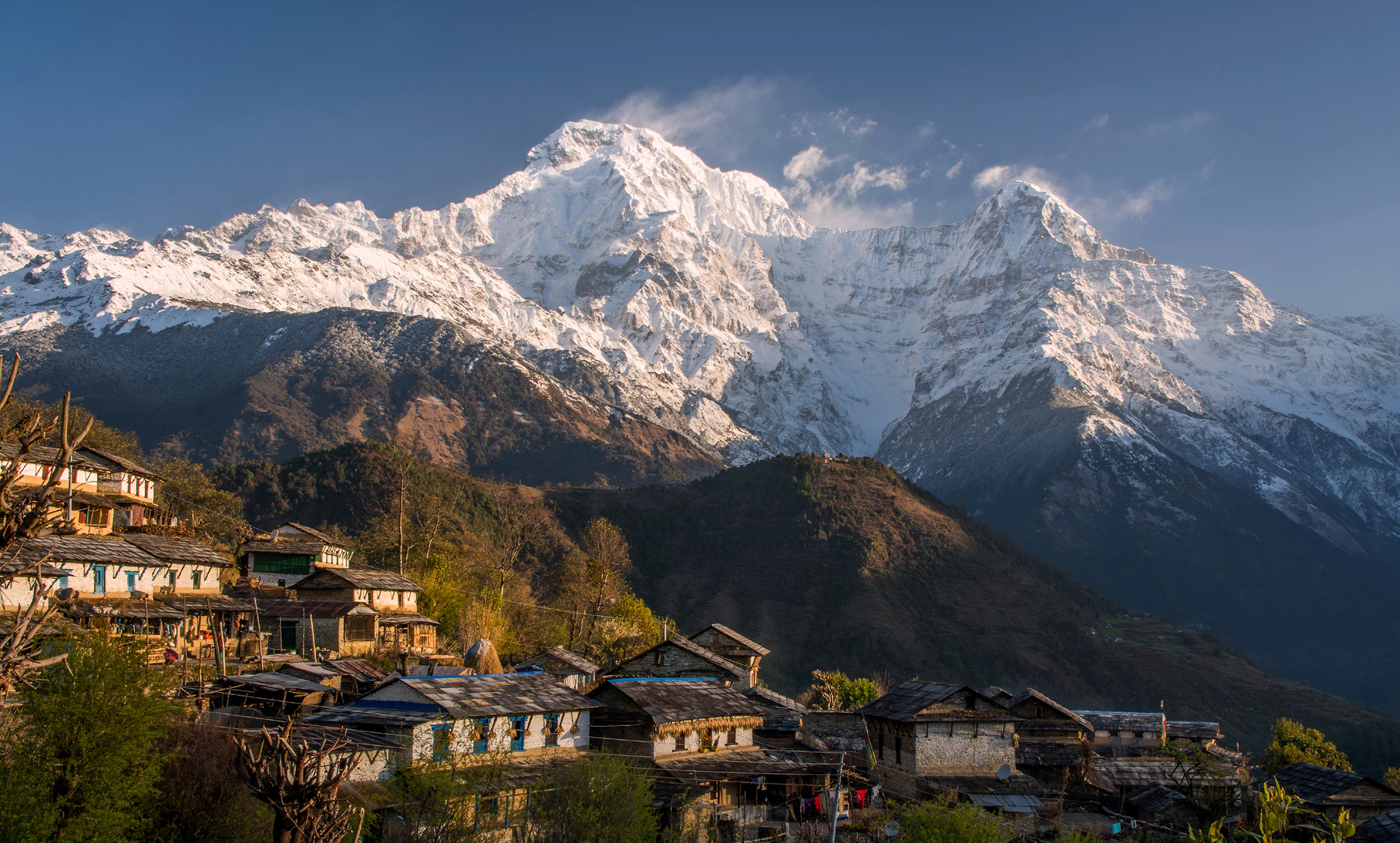
Gurung Villages: The trail passes through charming Gurung villages like Ghandruk and Ghorepani, where you can experience the warm hospitality of the Gurung people. Known for their vibrant festivals, traditional music, and unique customs, the Gurungs offer a fascinating glimpse into Nepal’s ethnic heritage.
Local Traditions: Visitors can witness ancient rituals, local dances, and traditional dress still practiced in these remote areas. Homes are often built in traditional style with stone and wood, reflecting centuries-old architectural techniques.
Community Life: The trekking route allows meaningful interactions with local villagers, who often run the teahouses and lodges. Staying in these cozy guesthouses offers insight into daily mountain life, farming, and animal husbandry.
Religious Sites: Small Buddhist Stupas and Hindu shrines scattered along the trail highlight Nepal’s religious diversity and spiritual culture.
The cultural richness along the Ghorepani Poon Hill Trek makes it a rewarding experience for trekkers interested in both nature and Nepalese heritage.
While the Ghorepani Poon Hill Trek is primarily known for its natural beauty and panoramic Himalayan views, it also offers glimpses of Nepal’s spiritual heritage. Along the trail, trekkers pass through small villages where local temples and shrines are woven into daily life.
In villages like Ghandruk and Tikhedhunga, you can see traditional Gurung temples and prayer shrines dedicated to Hindu and Buddhist deities. These sacred sites are often adorned with colorful prayer flags, and you may hear monks chanting or locals performing rituals. Visiting these temples and monasteries offers a unique cultural experience and insight into the spiritual practices of the region.
The Ghorepani Poon Hill Trek offers more than just spectacular mountain views—it is also a window into the rich cultural heritage of Nepal’s mountain communities. The trail passes through traditional Gurung and Magar villages, where locals follow age-old customs and daily rituals.
Trekkers may witness festivals like Dashain and Tihar, Nepal’s most celebrated Hindu festivals, characterized by family gatherings, traditional dances, and colorful decorations. The Tamu Lhosar, celebrated by the Gurung community, marks the Lunar New Year with cultural performances, music, and local delicacies. Experiencing these traditions provides unique insights into local life, making the trek both scenic and culturally enriching.
Clothing:
Footwear:
Backpack & Bags:
Sleeping Gear:
Accessories & Essentials:
Health & Safety:
Electronics:
Documents & Money:
Tip: Pack light but smart. Porters usually carry 15–18 kg, so keep your personal daypack minimal with just essentials like water, snacks, a jacket and valuables.
To trek legally in the Annapurna Conservation Area, you must obtain two essential permits:
Annapurna Conservation Area Permit (ACAP): Costs NPR 3,000 (approx. $30) for foreign nationals and NPR 1,000 for SAARC nationals.
Trekkers’ Information Management System (TIMS) Card: Costs NPR 2,000 (approx. $20) for independent trekkers; free if booked through a registered trekking agency.
Travel insurance is essential for anyone planning the Ghorepani Poon Hill Trek to ensure safety, peace of mind, and financial protection throughout the journey.
Medical Emergencies: Trekking in mountainous terrain carries risks such as altitude sickness, injuries from falls, or sudden illness. Travel insurance covers medical treatment and emergency evacuation if needed.
Trip Cancellations or Delays: Unexpected events like weather changes, political unrest, or personal emergencies can disrupt your plans. Insurance can reimburse non-refundable expenses, saving you money.
Lost or Stolen Belongings: Protect your gear, passport, and valuables against theft or loss during the trek.
Search and Rescue Costs: Mountain rescues in Nepal can be expensive. Travel insurance typically covers these costs, which can otherwise be a significant financial burden.
Peace of Mind: Knowing you’re covered allows you to focus on enjoying the stunning landscapes and cultural experiences without worry.
Nepal
8 Days
Moderate
Trekking / Hiking
Kathmandu
Kathmandu
Poon Hill (3,210m)
Hotel/Teahouses
Not included
2–10 people
Spring (March–May) & autumn (September–November)
ACAP (Annapurna Conservation Area Permit)