
The Everest Base Camp Trek is one of the most iconic journeys in the Himalayas, offering a close encounter with Mount Everest, the world’s tallest peak. This trek leads you through the heart of the Khumbu region, home to the resilient Sherpa community and ancient Buddhist monasteries that reflect the region’s rich spiritual heritage.
Starting with a thrilling flight to Lukla, the trail gradually ascends through lush forests, suspension bridges, and alpine valleys. You’ll pass through culturally vibrant villages like Namche Bazaar, Tengboche, and Dingboche—each providing stunning views and insight into Sherpa life. Along the way, you’ll explore peaceful monasteries adorned with prayer flags and wheels, and witness traditional high-altitude lifestyles that remain largely untouched.
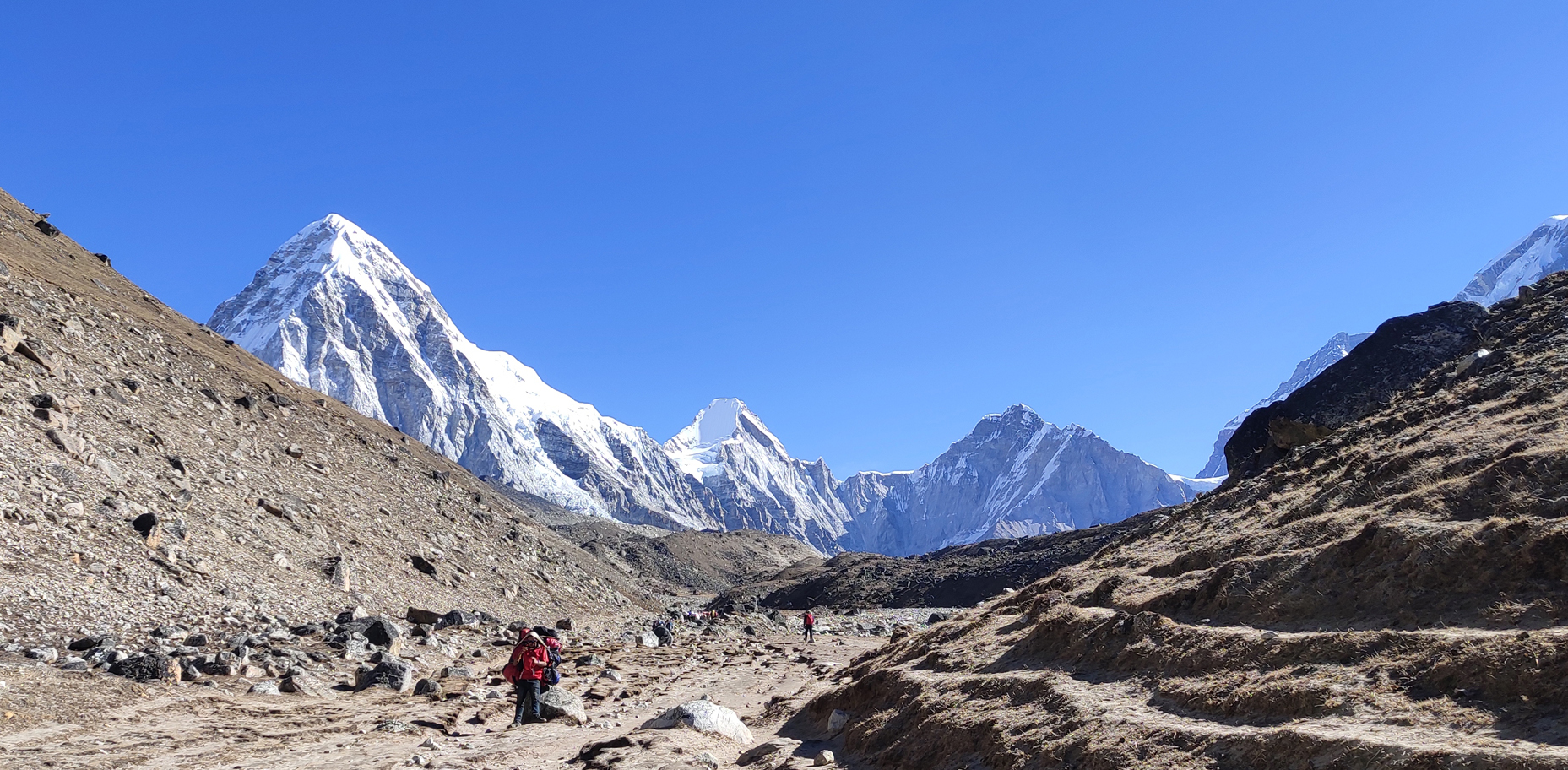
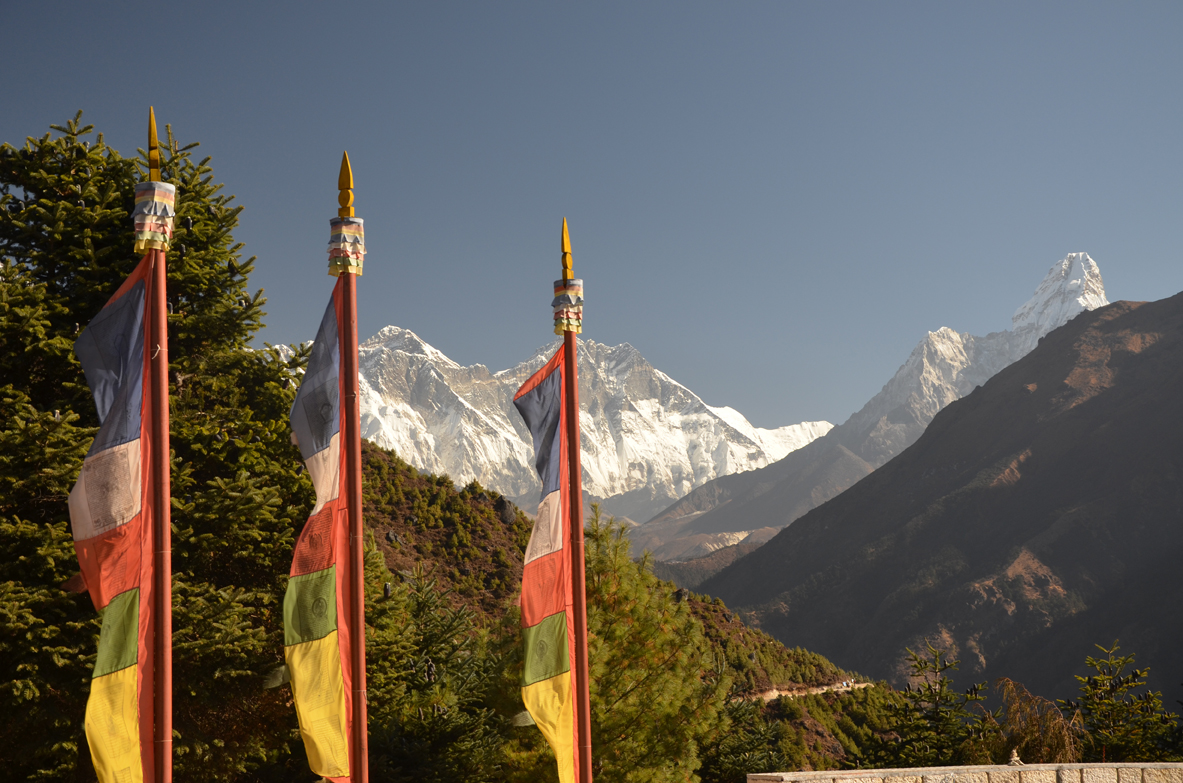
The route continues to the legendary Everest Base Camp (5,364m), situated beside the massive Khumbu Glacier. Here, trekkers are rewarded with a dramatic close-up of the towering icefall and the surrounding Himalayan giants. An early morning hike to Kala Patthar (5,545m) offers the most spectacular panorama of Mount Everest and neighboring peaks such as Lhotse, Nuptse and Ama Dablam.
The Everest Base Camp Trek combines natural beauty, adventure, and cultural depth. With proper acclimatization days built into the itinerary, the trek is both challenging and highly rewarding. Whether you’re seeking dramatic mountain landscapes or meaningful cultural encounters, this adventure provides a once-in-a-lifetime experience at the base of the world’s highest mountain.
Trekkers who want to push further into the Khumbu region often combine this route with the Everest Three Passes Trek, a more demanding circuit that crosses Kongma La, Cho La, and Renjo La. Those looking to extend their Everest adventure with a summit can pair this trek with an ascent of Island Peak (6,189m), one of the most accessible climbing peaks in Nepal. If you prefer a shorter alternative with equally rewarding views, the Everest Pikey Peak Trek offers a quieter, less crowded perspective of the Everest range.
Choosing the right time to trek to Everest Base Camp is essential for the best experience. While the trek is possible year-round, the two most popular and reliable trekking seasons are spring (March to May) and autumn (September to November). These months offer the most favorable weather, clearer skies, and safer trail conditions.
Spring Season (March to May): Spring is one of the best times for the EBC trek. The weather is mild, the skies are generally clear, and the trails are full of color with blooming rhododendrons and alpine flowers.
Temperature: Moderate during the day; cold at night at higher altitudes
Views: Spectacular visibility of Everest, Lhotse, Ama Dablam, and other peaks
Bonus: Ideal for photography and nature lovers
Autumn Season (September to November): Autumn is the most popular season for Everest Base Camp trekking. Following the monsoon, the air is crisp and clean, offering crystal-clear mountain views and pleasant daytime temperatures.
Temperature: Comfortable days; chilly nights at high elevation
Skies: Consistently clear with minimal rain or snowfall
Bonus: Great cultural atmosphere due to major Nepali festivals like Dashain and Tihar
Winter (December to February): Winter offers quiet trails and clear skies, but extreme cold and snow can make the trek more challenging, especially at higher altitudes.
Best for experienced trekkers seeking solitude and don’t mind sub-zero temperatures
Monsoon (June to August): This is not recommended due to heavy rainfall, slippery trails, and poor mountain visibility. However, the lower parts of the trail remain lush and green.
The weather on the Everest Base Camp (EBC) Trek can vary dramatically depending on the season and altitude. As the trek takes you from Lukla (2,860m) to Everest Base Camp (5,364m), you’ll experience a range of climates—from mild conditions at lower elevations to freezing temperatures near the base of Everest.
Spring (March to May): One of the best seasons for trekking. The weather is generally stable, with clear skies and blooming landscapes.
Daytime Temperature: 10°C to 20°C (Lukla to Namche); 0°C to 10°C (Dingboche to EBC)
Night Temperature: Drops to -10°C at higher altitudes
Autumn (September to November): Another peak season with dry weather and crystal-clear mountain views.
Daytime Temperature: 12°C to 18°C at lower altitudes; 0°C to 8°C above 4,000m
Night Temperature: –5°C to -15°C near EBC
Winter (December to February): Cold and quiet, with heavy snowfall likely above 4,000m, best suited for experienced trekkers.
Daytime Temperature: 5°C to 10°C (lower areas); below freezing at higher camps
Night Temperature: -10°C to -20°C near Gorakshep and EBC
Monsoon (June to August): Warm but wet, with frequent rainfall, slippery trails, and cloud-covered peaks.
Daytime Temperature: 15°C to 20°C
Night Temperature: 5°C to 10°C
The Everest Base Camp Trek offers a unique and authentic experience when it comes to food and accommodation. While the journey takes you through remote Himalayan villages, trekkers can expect comfortable tea house lodging and freshly prepared meals throughout the route.
Accommodation: Along the trail, trekkers stay in local tea houses, which are simple guesthouses run by mountain families. Rooms are generally twin-sharing with basic bedding—mattress, pillow, and blanket. As you ascend, the facilities become more basic, but they provide everything needed for a warm night’s rest.
Shared bathrooms are the norm, with squat or Western toilets depending on the location.
Hot showers are available at many tea houses for an additional fee.
Rooms are not heated, but dining halls often have a stove for warmth in the evenings.
Food: Tea houses offer a menu with a mix of local Nepali meals and popular international dishes. Meals are freshly made, using ingredients available in the region.
Dal Bhat (rice, lentils and vegetables) is a staple and offers unlimited refills.
Other options include noodles, fried rice, pasta, soups, Tibetan bread, pancakes, and eggs.
Hot drinks like tea, coffee, and herbal infusions are widely available.
As altitude increases, food prices rise due to transport costs, and menu options may narrow. Most trekkers eat vegetarian meals for hygiene and freshness.
Reaching the Everest region requires careful planning due to its remote and mountainous terrain. Most trekkers start their journey by flying to Lukla, the main gateway to the Everest Base Camp trek. However, in recent years, flights have occasionally operated from Ramechhap (Manthali)
Airport, offering an alternative to Kathmandu during busy seasons.
Lukla Flights from Ramechhap/Manthali Airport:
Ramechhap Airport is located about a 5 to 6-hour drive east of Kathmandu. From here, a short flight of around 20 minutes will take you to Lukla. During peak trekking months—March, April, May, October, and November—some Lukla flights are rerouted to Ramechhap to ease air traffic congestion at Kathmandu’s Tribhuvan International Airport.
Flight from Kathmandu to Lukla:
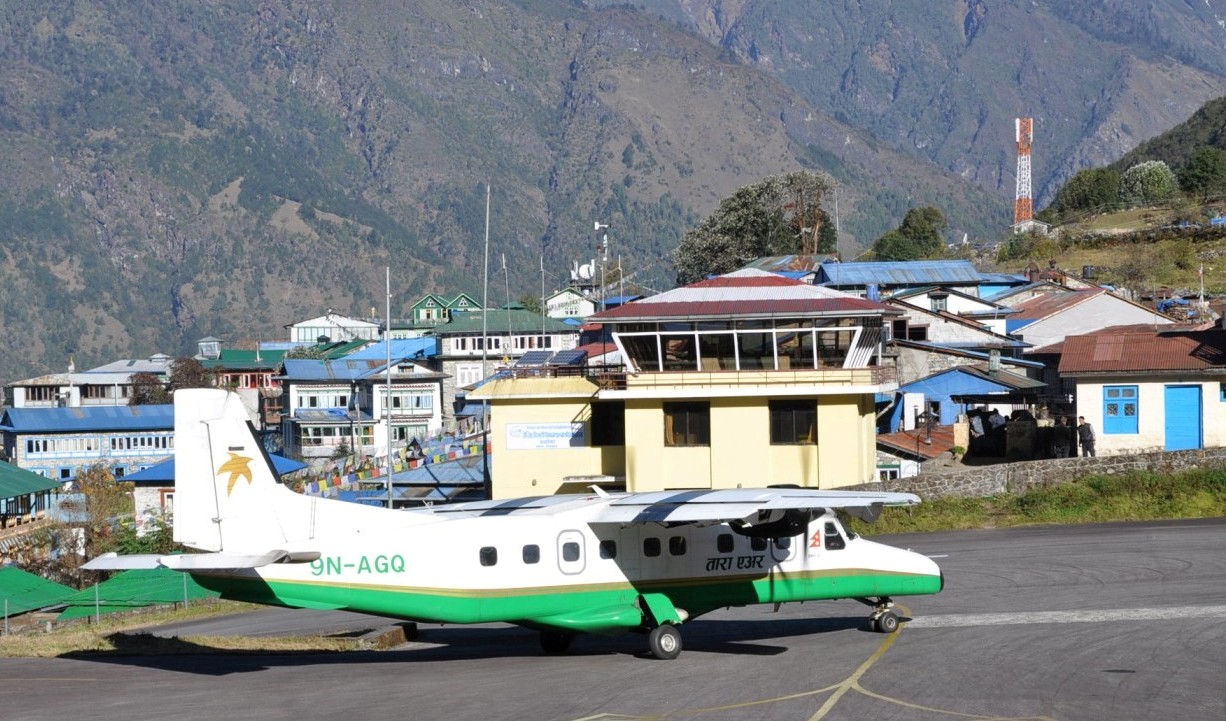
The most common and fastest way to begin the trek is by taking a domestic flight from Kathmandu’s Tribhuvan International Airport to Lukla Airport, also known as Tenzing-Hillary Airport. The scenic 30 to 40-minute flight offers breathtaking views of towering Himalayan peaks and deep river valleys. However, flights can often be delayed or canceled due to changing weather conditions like fog or strong winds, so it’s advisable to plan with some buffer days.
Trekking from Lukla to Everest Base Camp:
From Lukla, the trek begins on foot. The well-marked trail passes through traditional Sherpa villages, lush forests, and high-altitude landscapes. The round-trip trek covers approximately 130 kilometers and generally takes 12 to 14 days, depending on your pace and acclimatization schedule.
Return Journey:
Most trekkers fly back from Lukla to Kathmandu at the end of their trek. Given the unpredictable mountain weather, it’s wise to book flexible tickets and allocates extra days in Kathmandu toaccommodate potential flight delays.
Staying connected on the Everest Base Camp (EBC) Trek is possible, but it becomes more limited and expensive as you climb higher. Both mobile networks and internet services are available along the trail, especially in lower and mid-altitude areas.
Mobile Network: Two major providers in Nepal NTC (Nepal Telecom) and NCELL offer mobile coverage on most parts of the trek.
NCELL generally has better coverage in Namche Bazaar, Tengboche, and Dingboche, but may drop off above that.
NTC often provides more reliable coverage in higher-altitude areas, including near Gorakshep.
You can buy a local SIM card in Kathmandu with a data package. However, signal strength and reliability decrease significantly as you go higher.
Internet Access:
Wi-Fi is available at most tea houses up to Gorakshep, but it is not free and often slow or unstable.
Many lodges use the Everest Link Wi-Fi service, which sells prepaid internet cards. This is more reliable than general Wi-Fi, especially at higher elevations.
In villages like Namche Bazaar and Lukla, the internet is more stable and faster.
Tips for Staying Connected:
While internet and mobile access are available on the Everest Base Camp trek, they should be used sparingly—and enjoyed as a backup rather than a constant connection.
Acclimatization is one of the most important aspects of a safe and successful Everest Base Camp (EBC) trek. As you ascend into high altitudes, your body needs time to adjust to the reduced oxygen levels. Proper acclimatization helps prevent Acute Mountain Sickness (AMS) and improves your chances of reaching Everest Base Camp safely and comfortably.
Why Acclimatization Matters: At altitudes above 2,500 meters, the oxygen level in the air decreases significantly. This can lead to symptoms like headache, fatigue, nausea, and dizziness if your body doesn’t adapt gradually. Acclimatization days allow your body to adjust and lower the risk of altitude-related illnesses.
Built-in Acclimatization Days: Most standard EBC trek itineraries include two key acclimatization days:
Namche Bazaar (3,440m):
1. Typically on Day 3 of the trek
Hike to Everest View Hotel (3,880m) or Khumjung for better adaptation
Return to Namche for rest and recovery
2. Dingboche (4,410m) – Around Day 6 or 7
Optional hike to Nangkartshang Hill (5,083m)
Climbing high and sleeping low helps your body adjust
Acclimatization Tips:
Ascend gradually — avoid gaining more than 500m in altitude per day above 3,000m
Stay hydrated — drink plenty of fluids
Eat well — high-calorie meals help fuel your body
Avoid alcohol and sleeping pills, as they interfere with the body’s natural adaptation
Listen to your body — don’t ignore signs of altitude sickness
The Everest Base Camp (EBC) trek is not just a journey to the foot of the world’s highest mountain—it’s also a walk through one of the most diverse high-altitude ecosystems on Earth. The trail passes through the Sagarmatha National Park, a UNESCO World Heritage Site, known for its rich biodiversity that changes with altitude.
Flora on the EBC Trek: The lower regions of the trail, especially between Lukla and Namche Bazaar, are lush with vegetation, especially in spring and early summer.
Forests: Rhododendron, birch, pine, juniper, and fir trees dominate the landscape.
Spring Blooms: During March to May, rhododendrons bloom in vibrant reds and pinks, adding color to the forests.
High-Altitude Plants: As you ascend above 4,000 meters, vegetation becomes sparse with hardy grasses, mosses, and small alpine shrubs.
Fauna on the EBC Trek: Sagarmatha National Park is home to several rare and endangered species. While sightings aren’t always guaranteed, many trekkers report glimpses of unique Himalayan wildlife.
Mammals:
Himalayan Tahr (wild goat)
Musk Deer:
Snow Leopard (extremely rare and elusive)
Red Panda (in lower, forested zones)
Himalayan Marmot (in rocky areas at higher elevations)
Birds:
Many of these birds are spotted flying above ridgelines or resting near monasteries and open trails.
A Living Landscape: The diverse flora and fauna add richness to the Everest Base Camp experience. From colorful wildflowers in the lower valleys to sightings of mountain goats or majestic eagles soaring overhead, nature is an ever-present companion throughout the trek.
Respecting local wildlife and following Leave No Trace principles ensures this delicate ecosystem remains protected for future generations.
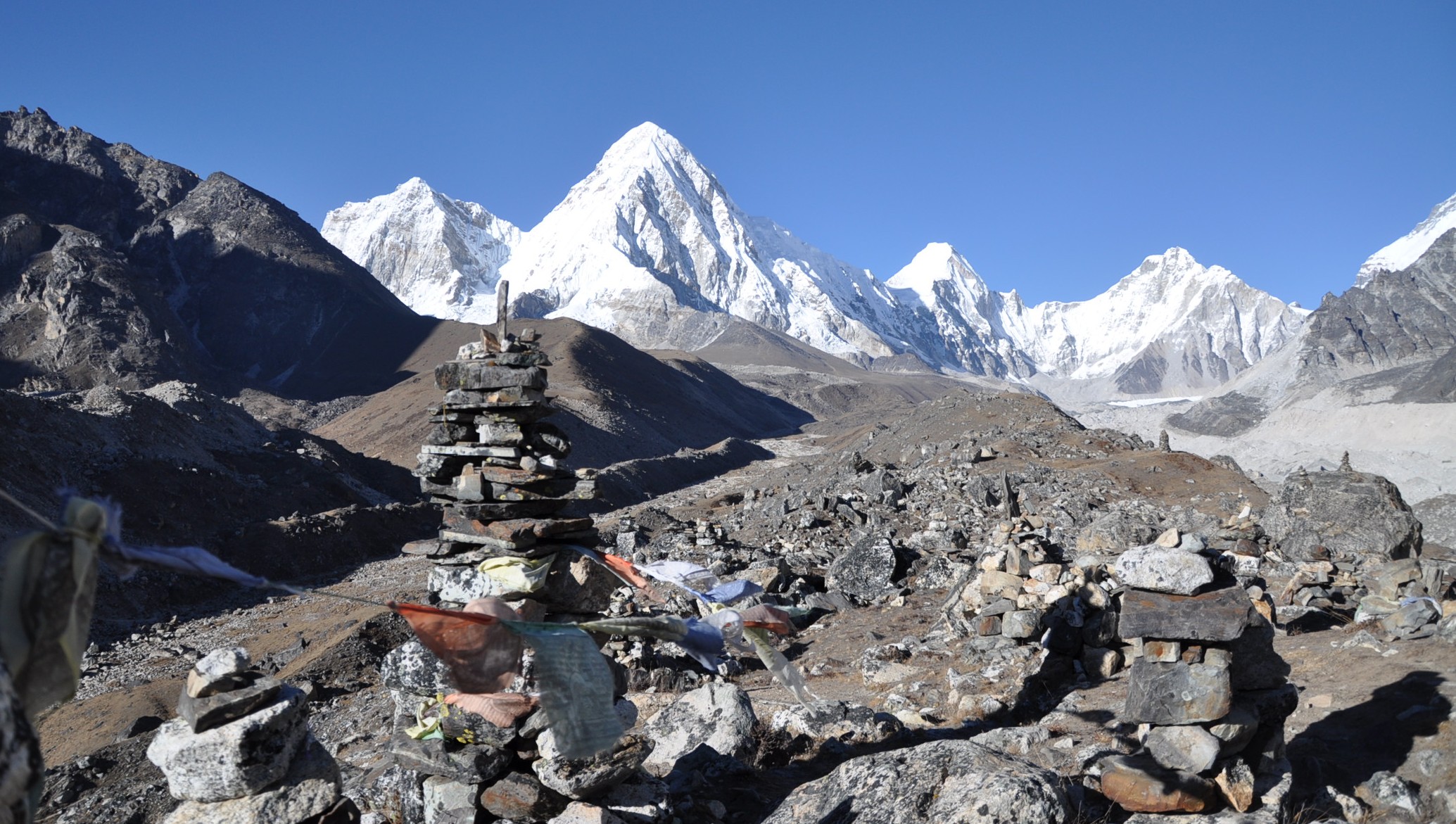
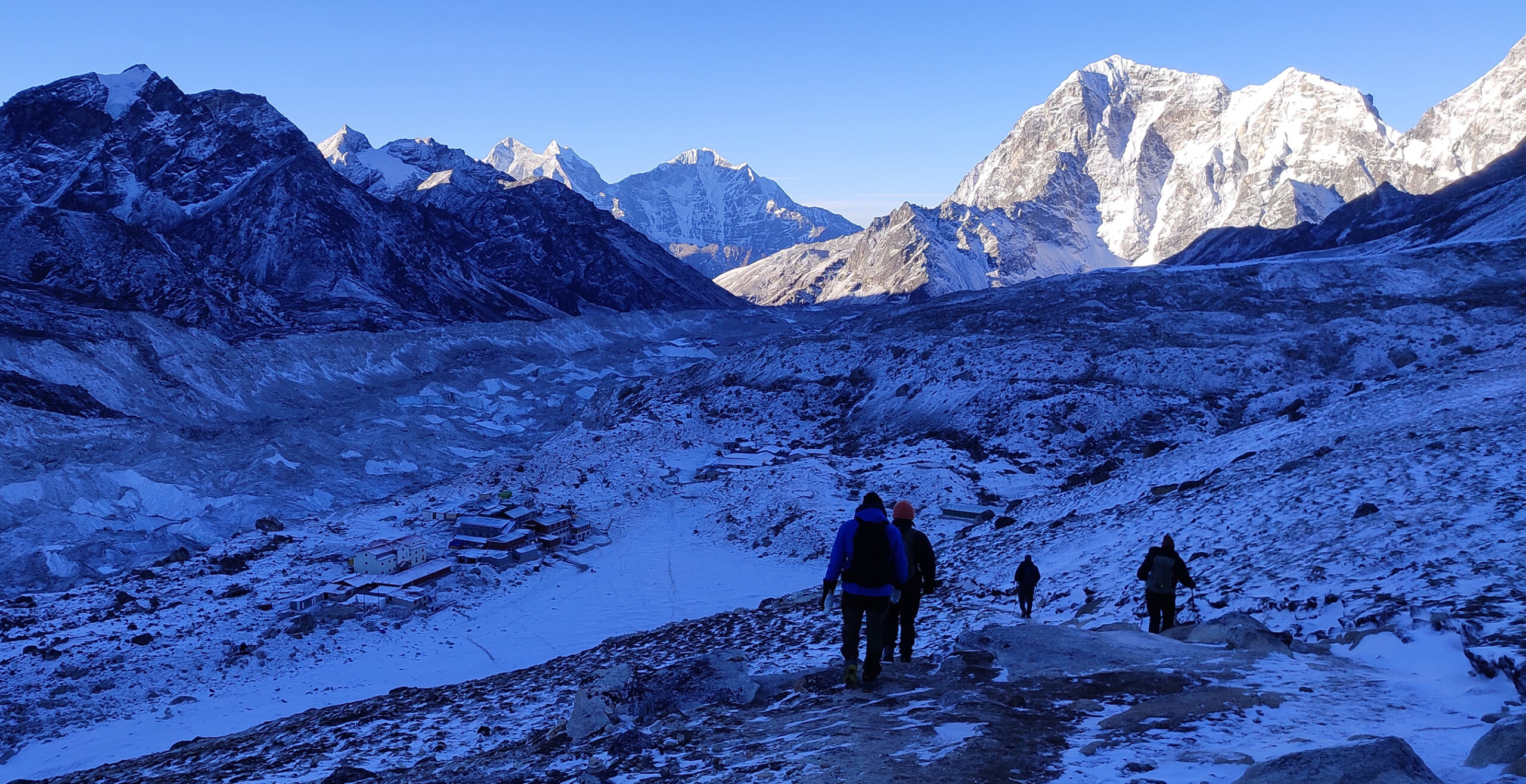
The Everest Base Camp Trek is more than just a physical journey—it’s also a deep cultural immersion into the heart of the Khumbu region, home to one of Nepal’s most resilient and spiritually rich communities: the Sherpas. As you ascend through the Himalayan landscapes, you’ll witness a vibrant blend of tradition, religion, and daily mountain life that adds depth and meaning to the trekking experience.
Sherpa Culture: The Sherpas are the primary ethnic group living along the EBC trail. Renowned for their mountaineering expertise and endurance at high altitudes, Sherpas are also deeply rooted in Tibetan Buddhist traditions.
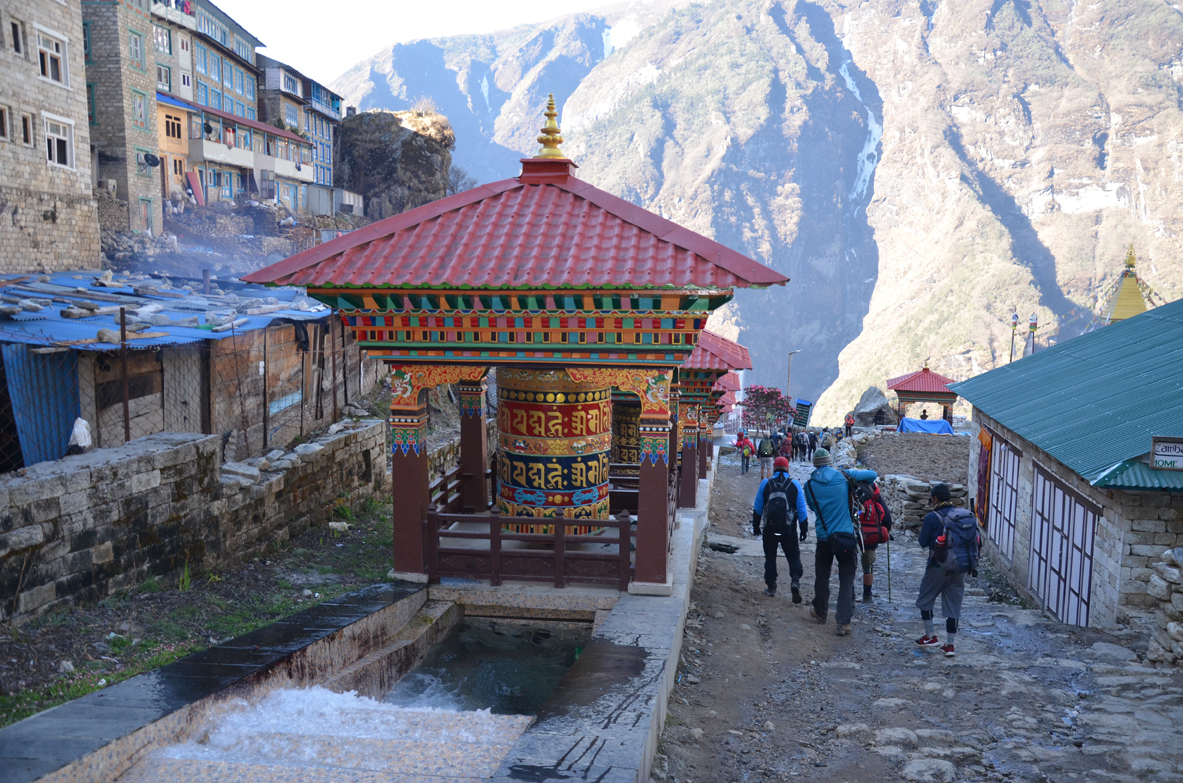
You’ll see mani walls (prayer stones), chortens (stupas), and colorful prayer flags fluttering in the wind—symbols of faith and protection.
Monasteries like Tengboche Monastery, the largest in the Khumbu region, offer insight into Sherpa
spirituality and daily religious practices.
Traditional Villages: The trail passes through culturally rich villages such as:
Namche Bazaar – A vibrant trading hub with a mix of modern facilities and traditional architecture.
Khumjung – Home to a monastery that houses a legendary “Yeti scalp” and the Hillary School, established by Sir Edmund Hillary.
Pangboche and Phortse – Villages that retain strong traditional lifestyles with local farming, yak herding, and spiritual customs.
Buddhist Influence: The Khumbu region is deeply influenced by Tibetan Buddhism. Trekkers often witness prayer rituals, spinning of prayer wheels, and monks chanting in remote monasteries. Festivals, such as Mani Rimdu, are celebrated with masked dances and religious ceremonies, preserving centuries-old traditions.
A Cultural Experience at High Altitude: Trekking to Everest Base Camp is not only about the mountains—it’s also about the people. The kindness, strength, and spiritual depth of the Sherpa community leave a lasting impression on those who walk these trails. Their unique customs and hospitality make the EBC trek a rich cultural journey, as much as a physical one.
The Everest Base Camp Trek is not only about breathtaking mountains but also a deeply spiritual journey through the heart of Sherpa culture. Along the trail, trekkers encounter centuries-old temples, monasteries, and sacred sites that highlight the region’s strong Buddhist traditions.
Chaurikharka Monastery (near Lukla): Often the first monastery trekkers come across after starting the journey. It reflects the Sherpa people’s devotion and spiritual practices.
Monjo & Jorsalle Chortens: Small Buddhist stupas and prayer walls mark the trail, giving trekkers a cultural welcome into Sagarmatha National Park.
Namche Bazaar Monastery (Namche Gompa): A central religious hub in Namche, where trekkers can observe prayer rituals and see Buddhist murals.
Khunde and Khumjung Monasteries: Located in twin Sherpa villages, these monasteries are famous for housing ancient artifacts, including the reputed “Yeti scalp” in Khumjung.
Pangboche Monastery (3,985m): The oldest monastery in the Khumbu region, believed to be over 300 years old. It is an important stop for blessings before climbers head toward Everest and other peaks.
Tengboche Monastery (3,867m): The most iconic and spiritually significant monastery on the trek. Set against the backdrop of Ama Dablam and Everest, it hosts the famous Mani Rimdu Festival, attracting monks and pilgrims from across the region.
Smaller Chortens & Mani Walls: Throughout the trail, trekkers pass colorful prayer flags, carved mani stones, and chortens that symbolize peace, compassion, and the spiritual essence of the Himalayas.
These sacred sites provide moments of reflection, cultural immersion, and blessings that enrich the trekking experience, making the Everest Base Camp journey as spiritual as it is adventurous.
The Everest Base Camp Trek is not only a journey through dramatic landscapes but also a cultural immersion into the traditions of the Sherpa people, who follow Tibetan Buddhism and maintain strong ties to their ancient customs. Along the trail, trekkers witness prayer flags, mani walls, spinning wheels, and monasteries that reflect the spiritual way of life in the Khumbu region.
Traditions:
Major Festivals:
These vibrant traditions and festivals give trekkers a deeper connection to Sherpa culture, making the Everest Base Camp Trek not just a physical adventure, but also a spiritual and cultural journey.
Packing the right gear is essential for a safe and enjoyable Everest Base Camp (EBC) Trek. Weather in the Himalayas is unpredictable, and temperatures vary drastically between lower villages and higher altitudes. Below is a well-organized list of recommended trekking equipment.
Clothing:
Headwear & Hand wear:
Footwear:
Sleeping Gear:
Backpack & Bags:
Trekking Gear & Accessories:
Personal Items & Toiletries:
Health & Safety:
Electronics:
Documents & Money:
Pro Tip: Pack light but smart—porters usually carry up to 12–15 kg per trekker, so bring essentials without over packing.
Nepal
14 Days
Easy to Moderate
Trekking
Kathmandu
Kathmandu
5,555 m ( Kala Patthar)
Local Lodges / Hotel
Not included
1 to 10
Spring (March–May) & autumn (September–November)
Sagarmatha National Park Entry, Khumbu Pasang Lhamu Rural Municipality Permit