
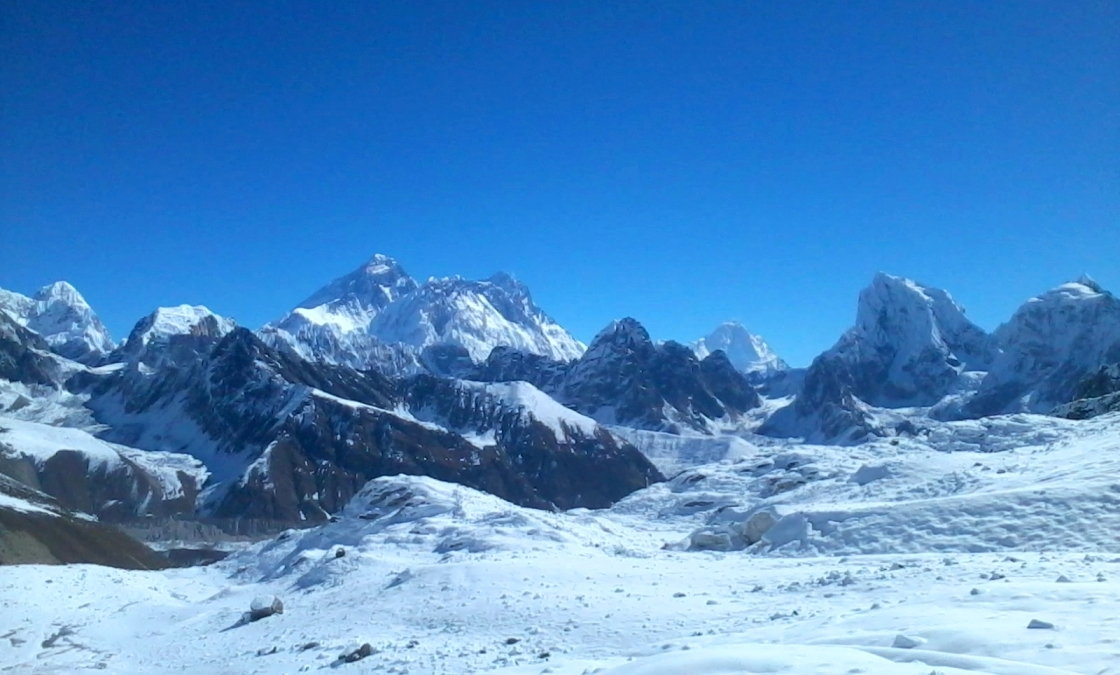
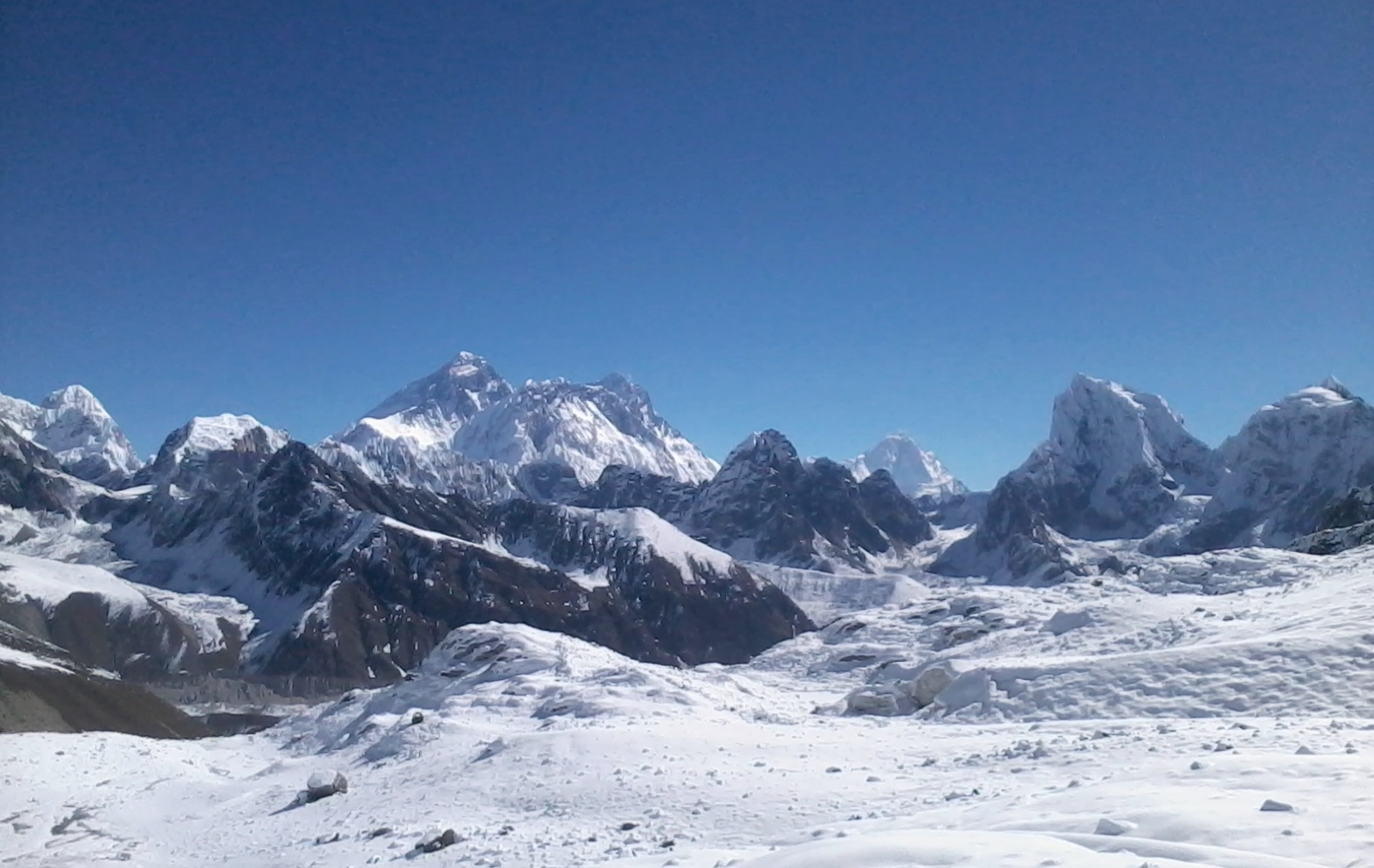
The Everest Three Passes Trek is a thrilling high-altitude circuit in Nepal’s Khumbu region, perfect for adventurous trekkers seeking a challenging and comprehensive Himalayan experience. This trek combines the classic Everest Base Camp route with three dramatic mountain passes—Kongma La (5,535m), Cho La (5,420m), and Renjo La (5,360m)—each offering breathtaking views of the world’s highest peaks, including Everest, Lhotse, Makalu, and Cho Oyu.
Unlike standard treks, the Three Passes route forms a loop that connects iconic destinations such as Namche Bazaar, Tengboche, Gokyo Lakes, Everest Base Camp, Kala Patthar, and remote Sherpa settlements like Thame and Chhukung. Trekkers also ascend viewpoints like Gokyo Ri (5,483m) and Kala Patthar (5,555m) for panoramic Himalayan vistas.
This trek is rated very strenuous due to its high altitude and demanding terrain, requiring excellent physical fitness and proper acclimatization. The journey typically takes 18–20 days and includes multiple rest days to adjust to the elevation.
The best seasons for the Everest Three Passes Trek are spring (March to May) and autumn (September to November), when the weather is stable and the mountain views are crystal clear.
For seasoned hikers, the Everest Three Passes Trek is the ultimate way to explore the beauty, culture, and raw grandeur of the Everest region while crossing three of the highest trekking passes in Nepal. It’s a true test of endurance, but deeply rewarding at every step.
This route is best suited for experienced trekkers who have already completed or are considering the Everest Base Camp Trek, as both itineraries share long sections of the classic Khumbu trail. Climbers looking to add a summit to their Everest circuit frequently combine this trek with an ascent of Island Peak, the region’s most popular trekking peak. For an equally remote but entirely different Himalayan challenge, the Manaslu Circuit Trek offers comparable altitude and isolation in western Nepal.
The Everest Three Passes Trek is best undertaken during the spring (March to May) and autumn (September to November) seasons, when weather conditions are most favorable and the mountain views are spectacular.
Spring (March to May): Spring brings warmer temperatures, blooming rhododendron forests, and clear skies. This is a great time for trekkers to enjoy vibrant landscapes and moderate crowds. Days are generally sunny, though occasional showers can occur.
Autumn (September to November): Autumn is considered the peak trekking season. After the monsoon rains, the air is crisp and clean, offering unbeatable visibility of Everest, Lhotse, and other towering peaks. Stable weather and pleasant temperatures make it ideal for crossing the high
passes safely.
Other Seasons
Winter (December to February) can be very cold with heavy snowfall, especially on the passes, making trekking difficult and sometimes dangerous.
Monsoon (June to August) brings heavy rain, slippery trails, and limited mountain views, so it’s not recommended for this trek.
By planning your trek during spring or autumn, you maximize your chances of safe passage, comfortable weather, and breathtaking Himalayan panoramas.
The Everest Three Passes Trek experiences varied weather and temperature conditions due to its high-altitude and diverse terrain, ranging from subalpine forests to glacial passes above 5,000 meters.
Spring (March to May):
Daytime temperatures: 10°C to 20°C (50°F to 68°F) at lower elevations
Nighttime temperatures: Can drop near freezing, especially above 3,000m
Weather is generally clear and sunny, with occasional light rain or snow at higher elevations.
Autumn (September to November)
Daytime temperatures: 10°C to 18°C (50°F to 64°F)
Nighttime temperatures: Often below freezing, especially above 4,000m
Weather is stable and dry, with crisp air and excellent mountain visibility.
Winter (December to February)
Daytime temperatures: -5°C to 10°C (23°F to 50°F)
Nighttime temperatures: Can plunge to -20°C (-4°F) or lower at high passes
Heavy snowfall is common, making trails slippery and passes challenging.
Monsoon (June to August):
Heavy rain and cloud cover
Slippery and muddy trails
Reduced visibility and frequent landslides.
At High Passes (5,300m+)
Temperatures can be well below freezing year-round, with strong winds and sudden weather changes. Proper cold-weather gear and acclimatization are essential for safety and comfort.
Along the Everest Three Passes route, trekkers stay in tea houses and guesthouses located in villages like Namche Bazaar, Tengboche, Dingboche, Lobuche, and Gokyo. These lodges offer basic but comfortable rooms with shared or private bathrooms, often heated by wood or yak dung stoves.
Meals typically include Nepali dishes such as dal bhat (lentil soup with rice), noodles, momos (dumplings), and soups. You’ll also find international options like pasta, eggs, and toast. Drinking water is available but usually needs to be purified or purchased as bottled water.
Food prices increase with altitude, so it’s wise to carry snacks and stay hydrated. Accommodation standards improve in larger villages but become more basic near the high passes.
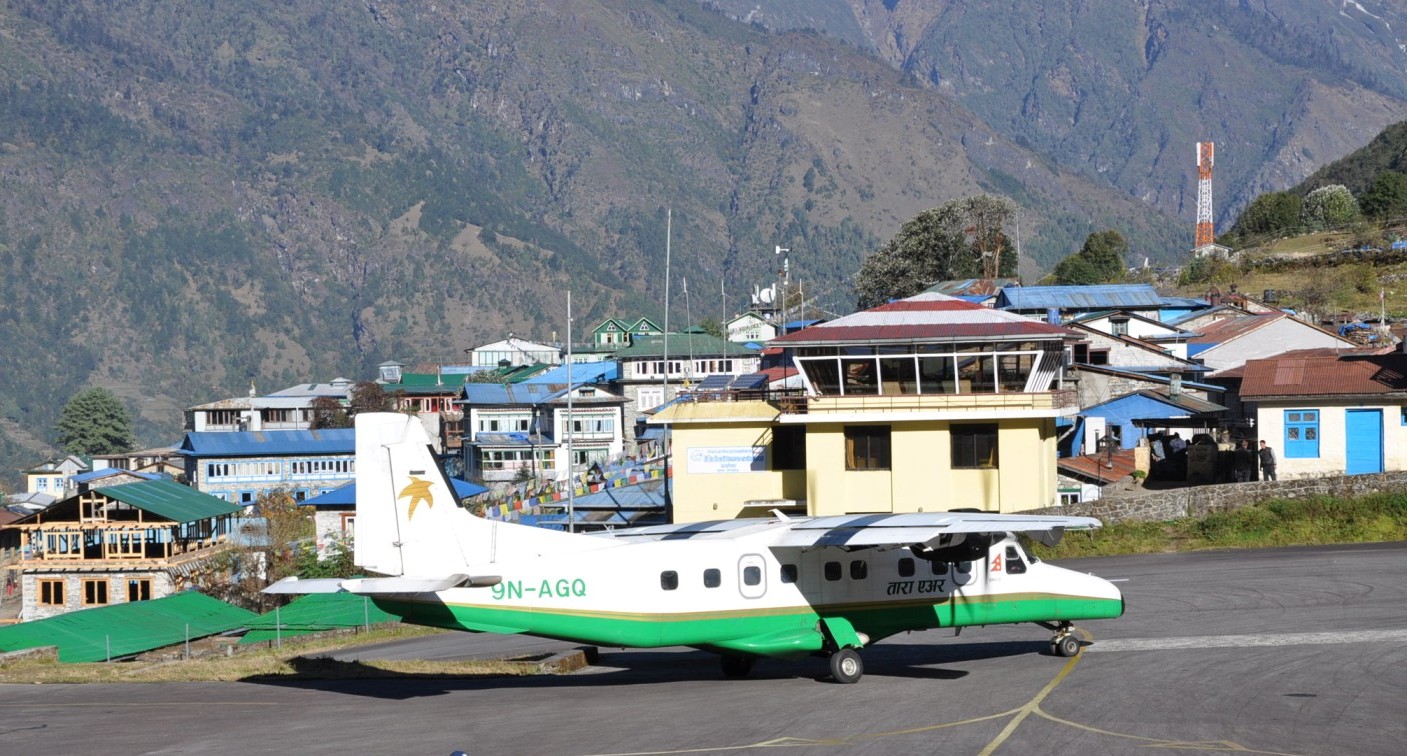
Reaching the Everest region requires careful planning due to its remote and mountainous terrain. Most trekkers start their journey by flying to Lukla, the main gateway to the Everest three passes trek. However, in recent years, flights have occasionally operated from Ramechhap (Manthali) Airport, offering an alternative to Kathmandu during busy seasons.
Lukla Flights from Ramechhap/Manthali Airport:
Ramechhap Airport is located about a 5 to 6-hour drive east of Kathmandu. From here, a short flight of around 20 minutes will take you to Lukla. During peak trekking months—March, April, May, October and November—some Lukla flights are rerouted to Ramechhap to ease air traffic congestion at Kathmandu’s Tribhuvan International Airport.
Flight from Kathmandu to Lukla:
The most common and fastest way to begin the trek is by taking a domestic flight from Kathmandu’s Tribhuvan International Airport to Lukla Airport, also known as Tenzing-Hillary Airport. The scenic 30 to 40-minute flight offers breathtaking views of towering Himalayan peaks and deep river valleys. However, flights can often be delayed or canceled due to changing weather conditions like fog or strong winds, so it’s advisable to plan with some buffer days.
Return Journey:
Most trekkers fly back from Lukla to Kathmandu at the end of their trek. Given the unpredictable mountain weather, it’s wise to book flexible tickets and allocates extra days in Kathmandu to accommodate potential flight delays.
Mobile network coverage is generally available in major villages along the Everest Three Passes Trek, including Lukla, Namche Bazaar, Tengboche, Dingboche, and Gokyo. Nepalese telecom providers like Ncell and NTC (Nepal Telecom) offer 3G and limited 4G Service in these areas, allowing calls, texts, and basic internet access.
However, as you cross the high passes — Kongma La, Cho La, and Renjo La — and trek through remote sections, mobile signals become weak or completely unavailable. Internet speed in villages is usually slow and best suited for messaging apps or light browsing rather than video streaming or large downloads.
To stay connected, many trekkers use local SIM cards with data packages purchased in Kathmandu or Lukla. Satellite phones or portable Wi-Fi devices are options for emergency or extended connectivity in the most remote areas.
Proper acclimatization is crucial on the Everest Three Passes Trek due to the high altitudes involved—crossing passes above 5,300 meters. To reduce the risk of altitude sickness and ensure a safe, enjoyable trek, the itinerary includes planned rest and acclimatization days.
Trekkers typically spend rest days in Namche Bazaar (3,440m) and Dingboche (4,360m). These stops allow the body to adjust gradually to thinner air by hiking to higher elevations during the day and returning to sleep at a lower altitude.
The general rule of thumb is to ascend slowly, ideally gaining no more than 300–500 meters of sleeping altitude per day once above 3,000 meters. Hydration, balanced nutrition, and avoiding overexertion are equally important.
Crossing the high passes—Kongma La (5,535m), Cho La (5,420m), and Renjo La (5,360m)—is physically demanding and requires trekkers to be well-acclimatized.
In case of altitude sickness symptoms like headache, nausea, or dizziness, it’s vital to rest or descend immediately. Many trekking companies recommend hiring a guide or porter for safety and support during these challenging sections.
The Everest Three Passes Trek offers a unique opportunity to explore diverse ecosystems as you ascend from lush forests to alpine landscapes and glacial passes.
Flora
Lower Elevations (2,500m–3,500m): Rhododendron forests dominate, bursting into vibrant colors during spring. You’ll also find pine, fir, and birch trees.
Mid Elevations (3,500m–4,500m): The forest thins out into scrublands with juniper bushes, dwarf rhododendrons, and wildflowers like primulas and gentians.
High Elevations (above 4,500m): Vegetation becomes sparse, limited to hardy mosses, lichens, and alpine grasses adapted to cold and wind.
Fauna The trek passes through Sagarmatha National Park, home to rare and endangered species such as:
Snow Leopard: Elusive and rarely seen, this top predator inhabits the high alpine zone.
Himalayan Tahr: A wild mountain goat often spotted on rocky slopes.
Musk Deer: Known for their shy behavior and musk glands, usually found in forested areas.
Red Panda: Occasionally sighted in the rhododendron forests.
imalayan Monal: Nepal’s national bird, with brilliant iridescent plumage, often seen in forested and meadow areas.
Himalayan Black Bear: Found in the lower forest zones but generally avoids humans.
Birdwatchers will enjoy spotting various pheasants, vultures, and other alpine birds along the trek.

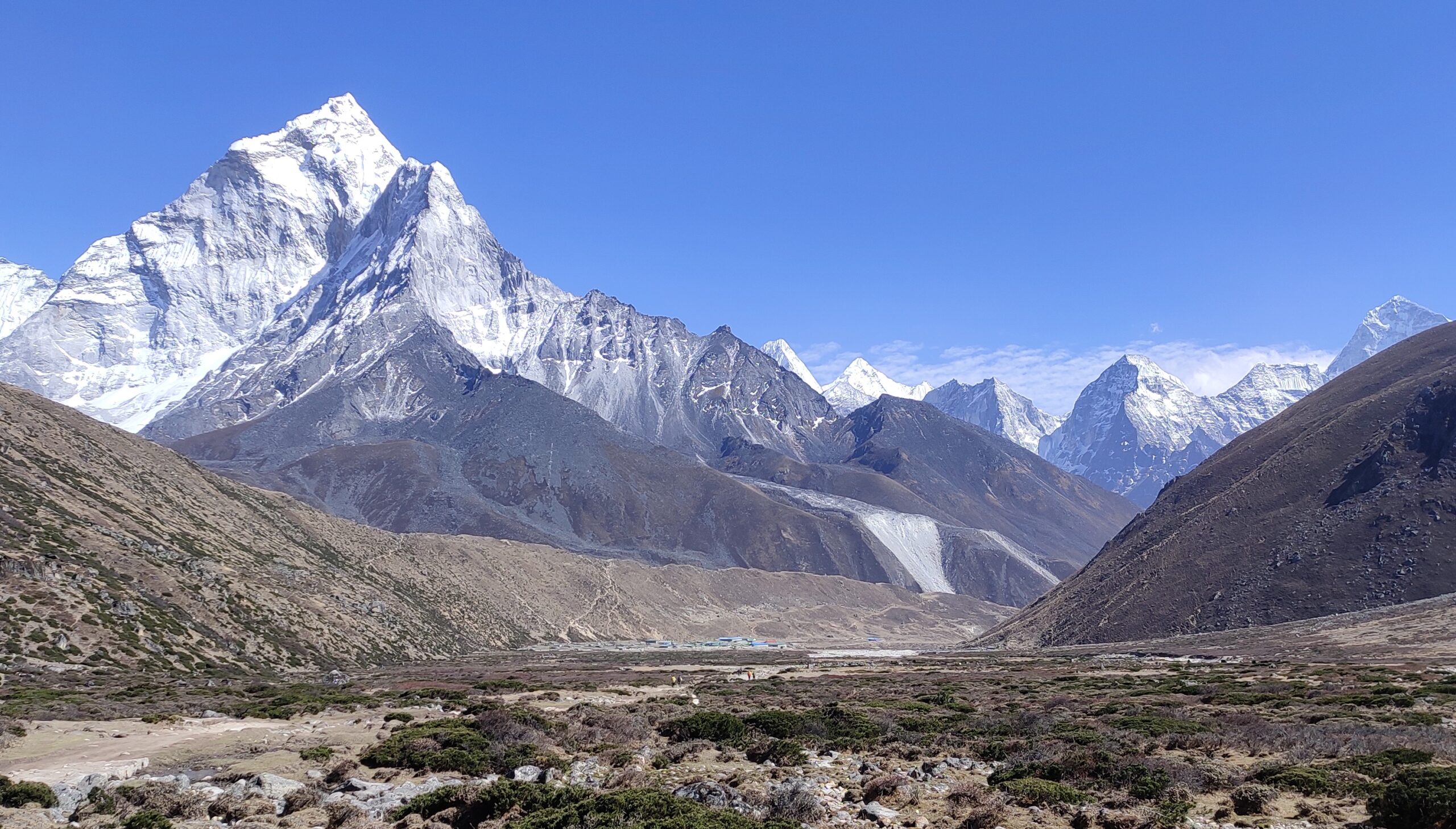
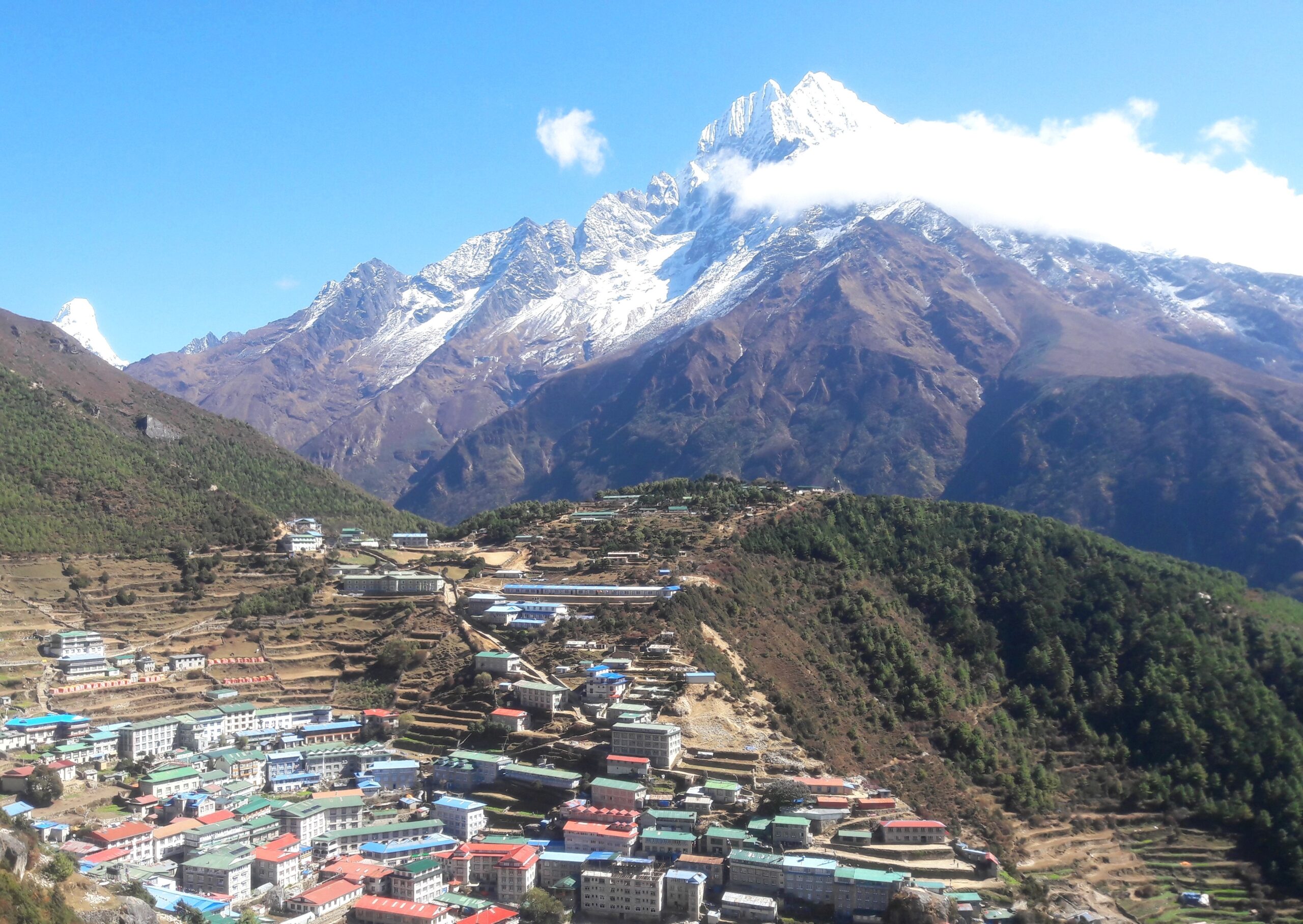
The Everest Three Passes Trek not only offers stunning natural beauty but also immerses trekkers in the rich cultural diversity of Nepal’s Khumbu region. This area is predominantly inhabited by the Sherpa community, renowned for their mountaineering skills, warm hospitality, and vibrant traditions.
Along the trail, you’ll visit several traditional Sherpa villages such as Namche Bazaar, Tengboche, Thame, and Pangboche. Each village has its own unique character, with ancient monasteries, prayer flags fluttering in the wind, and Mani walls etched with sacred mantras.
The Sherpa people practice Tibetan Buddhism, and their festivals—like Saga Dawa and Losar (Tibetan New Year)—are colorful celebrations filled with rituals, dances, and prayers. Trekkers often have the chance to visit monasteries, interact with monks, and learn about the spiritual heritage deeply intertwined with daily life.
Beyond Sherpas, you may also encounter Rai and other ethnic groups in the lower Khumbu valleys, contributing to the region’s cultural mosaic.
This blend of vibrant traditions, ancient architecture, and mountain spirituality enriches the trekking experience, making the Everest Three Passes Trek a journey through both nature and Nepal’s fascinating cultural landscape.
The Everest Three Passes Trek is not only an adventure through high mountain passes and breathtaking landscapes but also a journey into the heart of Sherpa culture, where Buddhism plays a central role. Along the trail, trekkers encounter ancient monasteries, chortens (stupas), mani walls, and prayer wheels that reflect the deep spiritual traditions of the Khumbu region. These sacred sites offer a unique cultural dimension to the trek, allowing visitors to experience the spiritual harmony that coexists with the rugged beauty of the Himalayas.
Key Temples and Monasteries on the Route:
Tengboche Monastery (Thyangboche Monastery)
Khunde Monastery:
Khumjung Monastery
Pangboche Monastery
Namche Bazaar Monastery
Smaller Chortens and Mani Walls
The Everest Three Passes Trek offers not only breathtaking mountain views but also a glimpse into Sherpa culture. Sherpas, followers of Tibetan Buddhism, preserve rich traditions seen in prayer flags, mani walls, and sacred monasteries like Tengboche and Pangboche.
Major festivals include Mani Rimdu (October–November), celebrated with mask dances and rituals at Tengboche Monastery; Dumje (June–July), a week-long festival of community and spirituality; and Losar, the Tibetan New Year (February–March), marked with family gatherings and monastery prayers.
These traditions and celebrations add deep cultural meaning to the trek, making it a journey of both adventure and spirituality.
The Everest Three Passes Trek takes you through challenging high-altitude terrain, so having the right gear is crucial for safety, comfort, and success. Here’s a recommended packing list:
Clothing:
Base Layers (Moisture-wicking)
Insulation Layers
Outer Layer (Waterproof/Windproof)
Trekking Shirts & Pants
Head & Hand Gear
Footwear
Sleeping Gear
Bags
Accessories & Essentials
Personal Hygiene & First Aid
Electronics
Documents
Tip: Pack light but smart. Your porter will usually carry up to 15 kg. Prioritize warmth, waterproofing, and comfort.
Nepal
21 Days
Moderate
Trekking
Kathmandu
Kathmandu
5,555 m ( Kala Patthar)
Local Lodges / Hotel
Not included
1 to 10
Spring (March–May) & autumn (September–November)
Sagarmatha National Park Entry, Khumbu Pasang Lhamu Rural Municipality Permit