
A Scenic and Cultural Escape into the Heart of Solukhumbu
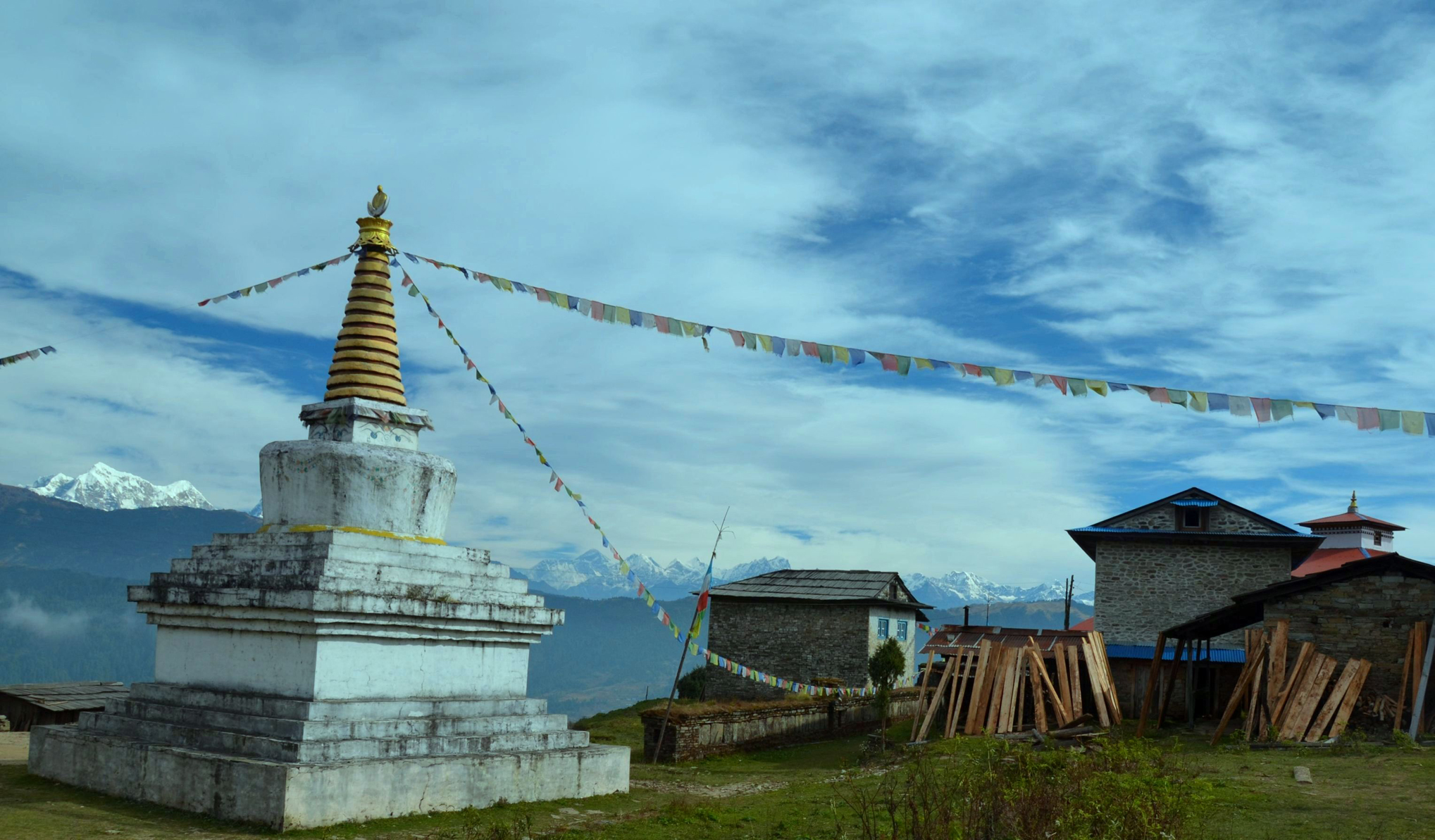
The Everest Pikey Peak Trek is a stunning short trek in the lower Everest region that offers both sweeping Himalayan views and deep cultural encounters. This off-the-beaten-path journey takes you through the peaceful trails of Solukhumbu, home to the Sherpa people—renowned for their mountaineering legacy and warm hospitality. Along the way, you’ll pass through picturesque villages, ancient monasteries, and quiet ridgelines with jaw-dropping vistas.
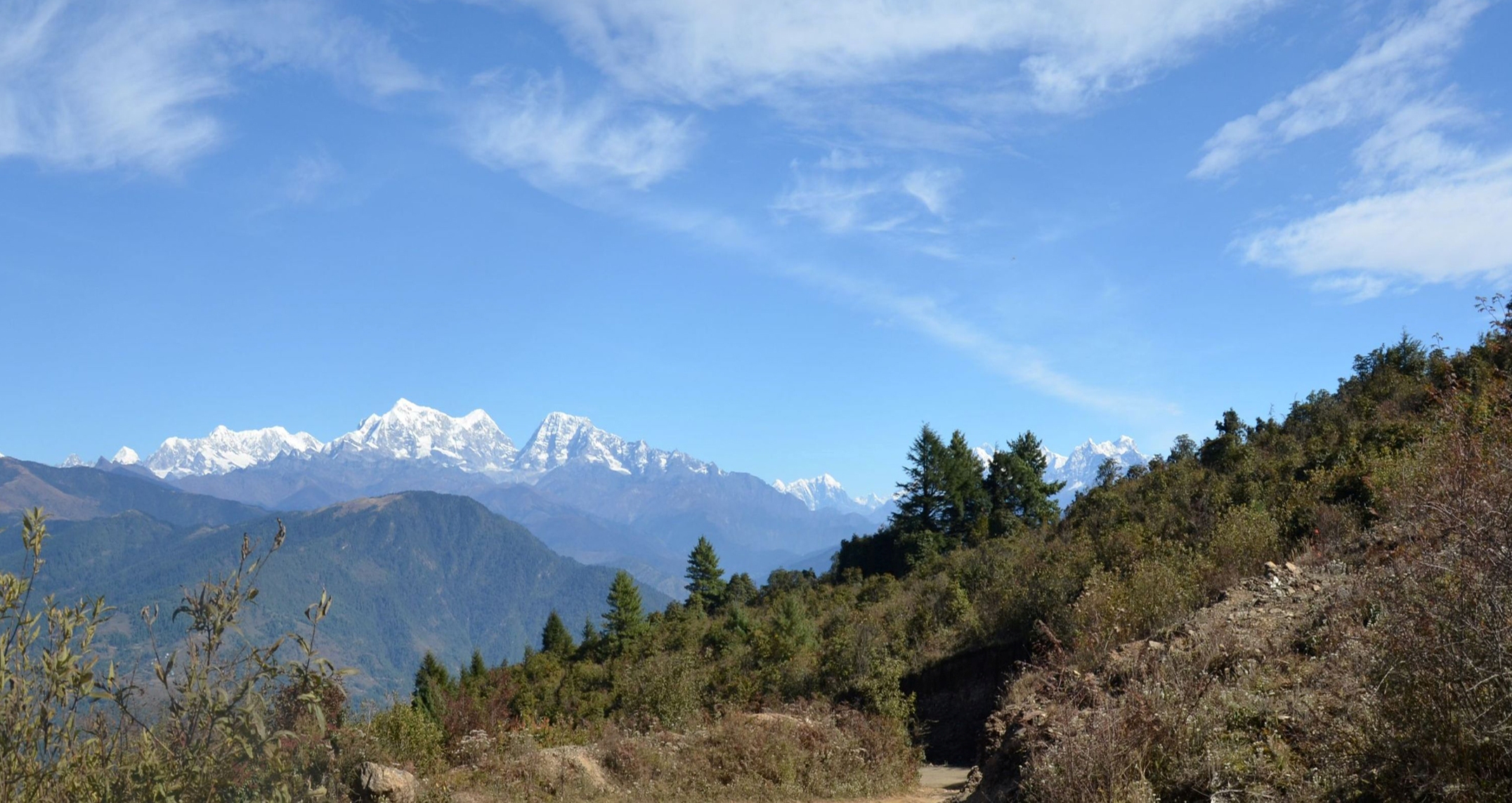
This trek is ideal for those looking to experience the magic of the Everest region without the crowds. You’ll climb to the summit of Pikey Peak (4,065m)—one of the best viewpoints to see Mount Everest, especially at sunrise. On clear mornings, the panorama stretches from Kanchenjunga in the east to Annapurna in the west, with Everest, Lhotse, and Makalu shining in between.
The trail also immerses you in the Sherpa way of life. Walk through their villages, visit centuries-old gompas, spin prayer wheels, and enjoy tea in cozy homes as you learn about the local Buddhist traditions. Friendly interactions with monks, nuns, and villagers give a meaningful layer to the natural beauty around you.
Just a short drive or flight from Kathmandu, the Pikey Peak Trek is perfect for travelers seeking a blend of cultural depth and majestic mountain scenery—all within a shorter time frame and at moderate altitude. It’s a hidden gem that leaves you with lasting memories of Nepal’s mountains and people.
Pikey Peak has become a popular alternative for those who want the Everest experience without the high-season crowds typical of the Everest Base Camp Trek. Trekkers who enjoy off-the-beaten-path destinations will find the Chisapani Nagarkot Trek another underrated but rewarding circuit, offering panoramic mountain views just two days from Kathmandu.
The Everest Pikey Peak Trek is accessible year-round, but the best seasons to embark on this journey are spring (March to May) and autumn (late September to November). These periods offer the most favorable weather, clear skies, and stunning mountain views.
Spring (March to May): Springtime is one of the most popular trekking seasons in Nepal. During these months, the weather is mild and pleasant, with daytime temperatures ranging from 10°C to 20°C (50°F to 68°F) at lower elevations. The rhododendron forests along the trail burst into vibrant bloom, adding spectacular colors to the landscape. Clear skies provide excellent visibility of
Everest and surrounding peaks, making this an ideal time for photographers and nature lovers.
Autumn (Late September to November): Autumn is considered the best trekking season by many due to stable weather, cool temperatures, and minimal rainfall. Days are crisp and clear, providing breathtaking panoramic views of the Himalayas. This season coincides with major Nepali festivals, allowing trekkers to experience local culture and celebrations.
Winter (December to February: Winter brings cold temperatures, especially at higher altitudes, with daytime temperatures often dropping below freezing. Snowfall can occur on higher passes and ridges, which may make trekking more challenging. However, the skies are usually clear, and the trails are less crowded, offering a peaceful trekking experience for those prepared for the cold.
Monsoon (June to early September): The monsoon season is generally not recommended for trekking due to heavy rainfall, slippery trails, and limited visibility caused by clouds and mist. However, if you don’t mind occasional showers and lush green landscapes, the lower parts of the trek can still be enjoyed during this time.
Spring (March to May): Spring offers mild and pleasant weather. Daytime temperatures in lower villages like Patale and Jhapre range from 10°C to 20°C (50°F to 68°F). Higher up near Pikey Peak Base Camp, temperatures drop to between -2°C and 8°C (28°F to 46°F). Nights can be chilly, especially above 3,000 meters, so warm clothing is essential.
Autumn (Late September to November): Autumn brings clear skies, crisp air, and cool temperatures, making it the most popular trekking season. Days are generally sunny with temperatures from 8°C to 18°C (46°F to 64°F) in lower regions. At higher elevations, temperatures can range from -5°C to 5°C (23°F to 41°F). Nights are cold but bearable with proper gear.
Winter (December to February): Winter temperatures drop significantly, especially after sunset. In lower villages, daytime temperatures hover around 2°C to 10°C (36°F to 50°F), while higher altitudes near Pikey Peak may experience lows of -15°C to -5°C (5°F to 23°F). Snowfall is possible, making trails slippery and more challenging.
Monsoon (June to early September): The monsoon season brings heavy rain and cloudy skies. Daytime temperatures range from 15°C to 22°C (59°F to 72°F) at lower elevations but can feel cooler due to dampness and wind. Trails may become muddy and slippery, and visibility of the mountains is often limited
The Everest Pikey Peak Trek takes you through peaceful Sherpa villages and scenic trails in the lower Everest region. While the route is less commercialized than the Everest Base Camp trek, you’ll still find enough tea houses and local lodges providing simple yet satisfying food and accommodation throughout the journey.
Food during the Trek:
Meals are served at tea houses and are freshly prepared, filling, and suitable for trekking in high altitudes. Most menus offer traditional Nepali and Tibetan dishes along with a few Western-style options.
Typical Meals Include:
Vegetarian options are widely available, and with prior notice, tea houses can usually cater to specific dietary needs.
Accommodation on the Trek: Accommodation is available in traditional Sherpa tea houses—simple lodges run by local families. While not luxurious, these offer a warm and cozy place to rest after a day of trekking.
Accommodation Features:
Getting to and from the Everest Pikey Peak Trek involves a combination of road travel and sometimes flights, offering flexibility depending on your preferences and schedule.
Kathmandu to Patale (Starting Point)
The trek typically begins with a scenic road journey from Kathmandu to Patale, a quaint village in Nepal’s Solukhumbu district. This drive takes about 8 to 9 hours and winds through hilly terrain, traditional villages, and farmland. The route features a mix of paved roads and rough gravel sections, providing an authentic glimpse of rural Nepalese life. Both private jeeps and local bus services are available for this journey.
Return from Phaplu to Kathmandu: At the end of the trek, there are two primary options for returning to Kathmandu:
By jeep or local bus: The road journey takes approximately 10 to 12 hours, passing through scenic countryside and small towns.
(Optional) Some trekkers may also choose to fly from Phaplu Airport back to Kathmandu, depending on flight availability and weather conditions.
While the Everest Pikey Peak Trek takes you off the beaten path into remote Sherpa villages and peaceful Himalayan foothills, staying connected is still possible—though limited in certain areas.
Mobile Network Availability: Nepal’s major telecom providers, NCELL and Nepal Telecom (NTC), offer mobile coverage along parts of the route. Coverage is generally available in lower elevations such as Jhapre, Junbesi, and Phaplu, but may become weak or unavailable as you approach Pikey Peak Base Camp.
Nepal Telecom (NTC) tends to offer slightly better connectivity in remote mountain regions compared to NCELL.
A local SIM card (NTC recommended) with voice and data plans can be purchased in Kathmandu before starting your trek.
Internet Access (Wi-Fi): Wi-Fi is limited and not consistently reliable along this trek, as the region is still relatively untouched by large-scale tourism. However:
Some tea houses in larger villages (like Junbesi or Phaplu) may offer Wi-Fi for a small fee.
Wi-Fi is not guaranteed at higher or more remote lodges such as Pikey Peak Base Camp.
Carrying a local SIM card with a data pack is your best bet for occasional internet access.
Acclimatization is an important part of the Everest Pikey Peak Trek, even though it is a lower-altitude trek compared to classic Everest routes. The highest point of the trek, Pikey Peak (4,065m), still requires your body to adjust gradually to thinner air. Proper acclimatization reduces the risk of Altitude Mountain Sickness (AMS) and ensures a safe, enjoyable journey.
How Acclimatization Happens on This Trek:
Tips for Acclimatization on the Pikey Peak Trek:
Why Acclimatization Matters Here
Although the Pikey Peak Trek is not as high as Everest Base Camp or Gokyo, reaching over 4,000 meters still challenges the body. A careful approach with rest days and a steady pace makes the trek safer, more comfortable, and more rewarding.
The Everest Pikey Peak Trek passes through the pristine natural landscapes of the lower Solukhumbu region, offering rich biodiversity and scenic forest trails. Unlike higher-altitude treks, this route traverses through mid-hill and alpine ecosystems, giving trekkers the chance to experience a variety of Himalayan flora and fauna.
Flora – Forests, Flowers & Alpine Vegetation
As you ascend from Patale through Jhapre, Pikey Peak Base Camp, and Junbesi, the vegetation changes with altitude. The lower areas are filled with lush greenery, while higher sections feature alpine meadows and sparse vegetation.
Notable Flora Includes:
Rhododendrons (Nepal’s national flower) – bloom vibrantly during spring (March–May)
Pine, fir, and oak forests– dense woodlands that provide habitat to many species
Bamboo groves and birch trees – common in transitional zones
Medicinal herbs and alpine plants – used by locals in traditional healing
During spring, the hills burst into color with flowering rhododendrons, magnolias, and wildflowers, making it one of the most visually stunning times to trek.
Fauna – Wildlife in the Hills:
The lower Everest region is home to several species of Himalayan wildlife. While spotting large mammals can be rare due to the forest cover and human activity, you may come across or hear:
Wildlife Commonly Found:
Himalayan thar (wild goat)
Musk deer
Langurs and rhesus monkeys
Himalayan Monal (Danphe – Nepal’s national bird)
Snow pigeons, eagles, and various pheasants
Occasionally, signs of elusive animals like the red panda or even leopards in very remote areas
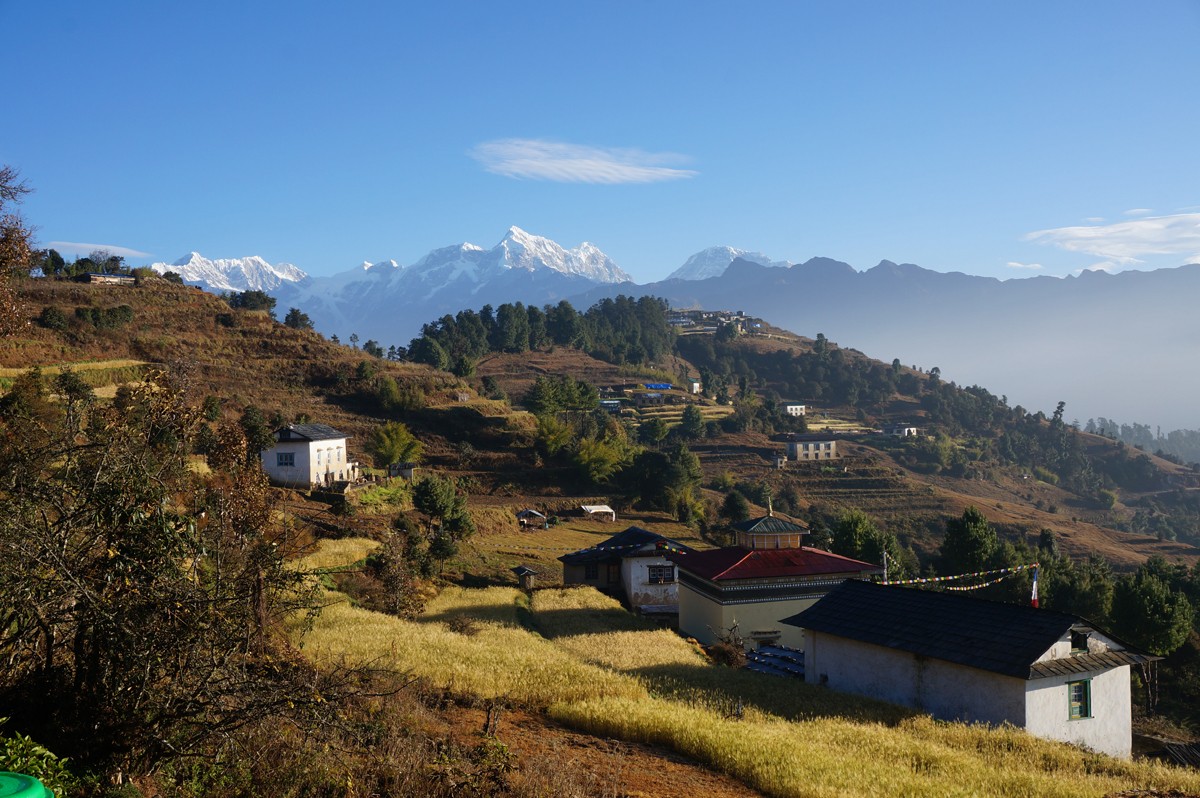
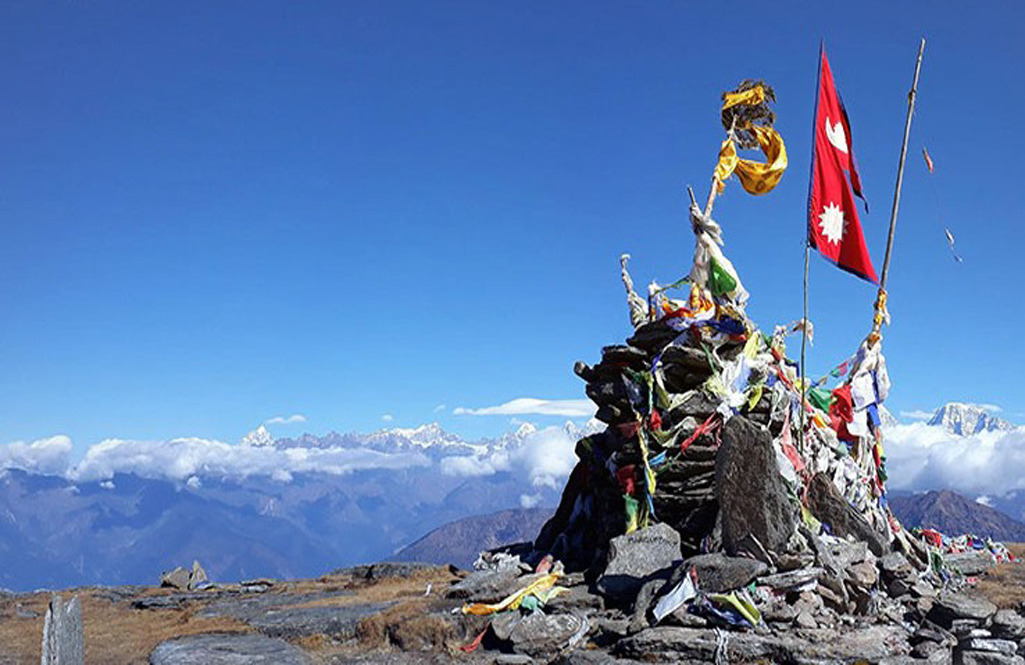
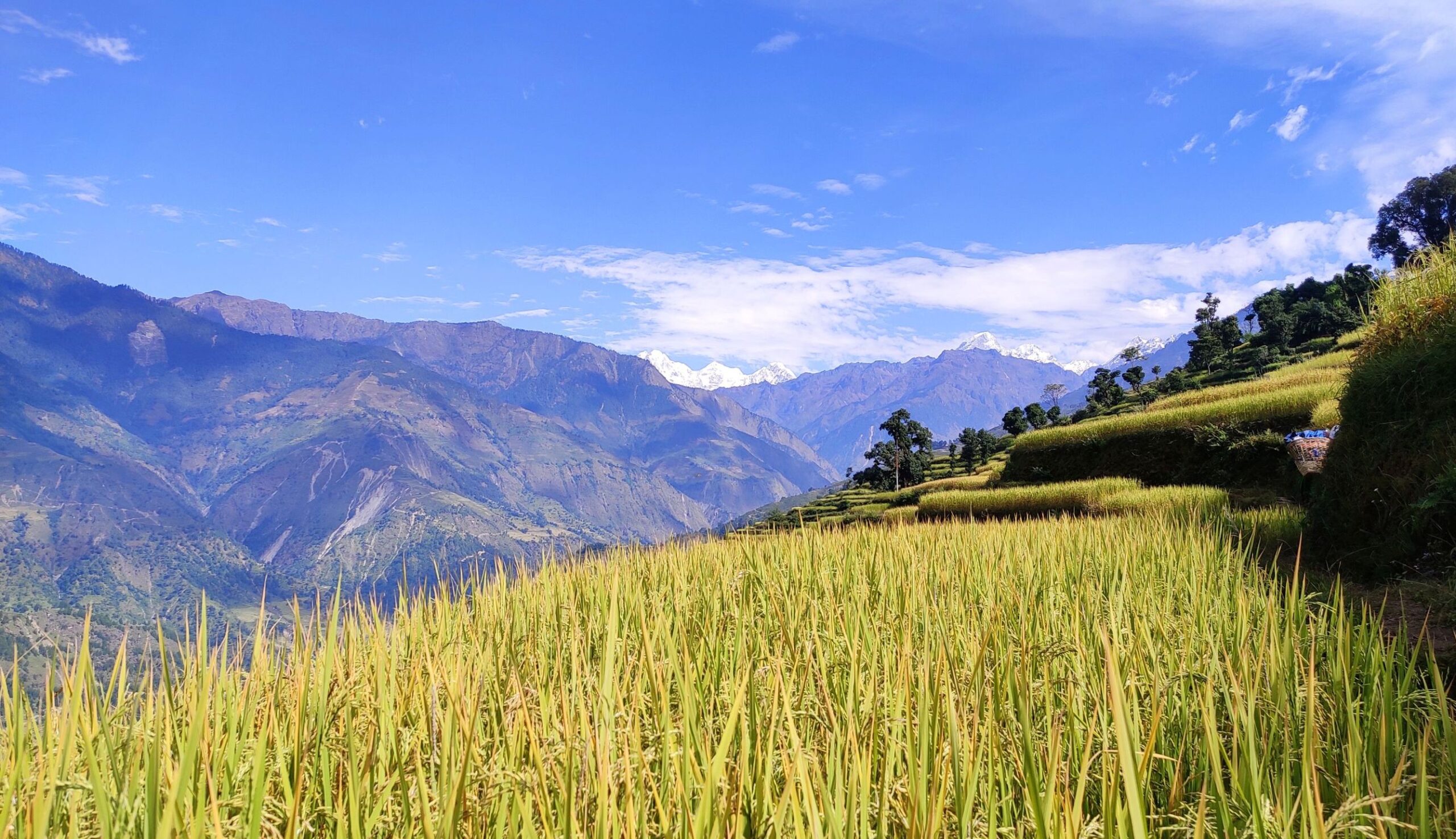
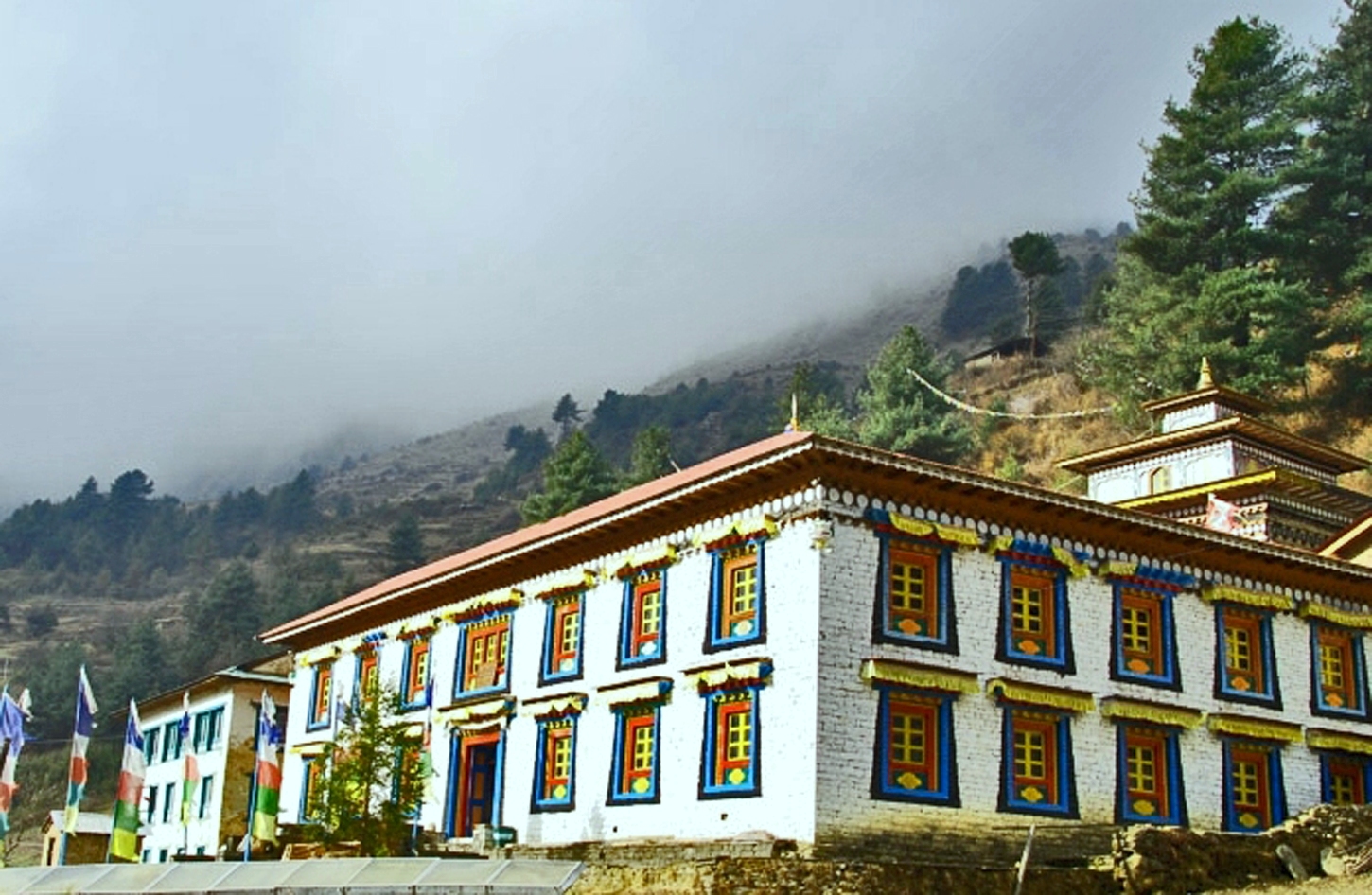
The Everest Pikey Peak Trek is not only a scenic adventure through the lower Everest region—it’s also a meaningful journey through Nepal’s rich cultural mosaic. As you trek through traditional villages and remote settlements, you’ll encounter a blend of ethnic groups, customs, and spiritual traditions that define the soul of the Solukhumbu region.
Home of the Sherpa People: The trail primarily winds through Sherpa communities—renowned worldwide for their mountaineering legacy, resilience, and deep-rooted connection to Tibetan Buddhism. Their monasteries, prayer flags, mani walls and stupas are present throughout the route, reflecting a life centered on faith, humility, and nature.
Monasteries and Gompas: Ancient monasteries in villages like Junbesi and Taksindu offer insight into Buddhist practices and are often open to visitors.
Festivals: If your trek coincides with local festivals like Lhosar or Dumji, you may witness masked dances, chanting monks, and vibrant Sherpa traditions.
The Everest Pikey Peak Trek is not just about breathtaking Himalayan views—it also offers an intimate cultural journey through the Sherpa heartland of the Solukhumbu region. The trek introduces you to age-old Buddhist traditions, village lifestyles and vibrant local festivals, which add spiritual depth to your adventure.
Sherpa Traditions: The Sherpa people, renowned for their mountaineering legacy, follow Tibetan Buddhism. Along the trail, you’ll encounter mani walls, prayer wheels, chortens, and ancient monasteries that reflect their spiritual devotion. Hospitality is central to Sherpa culture—trekkers are warmly welcomed with butter tea or local meals, symbolizing friendship and respect. Daily life revolves around farming, yak herding, and religious practices, giving you a close look at their harmonious connection with nature.
Festivals on the Trail:
Why It Enriches Your Trek:
Experiencing these traditions and festivals along the Pikey Peak Trek allows trekkers to connect with the spiritual and cultural heartbeat of the Himalayas. It turns your journey into more than just a trek—it becomes a cultural exploration, where mountains and traditions merge beautifully.
The Everest Pikey Peak Trek takes you through varied terrain—from forested hills and Sherpa villages to high ridges with stunning Himalayan views. To stay comfortable and safe, it’s important to carry the right gear. Below is a comprehensive equipment checklist to help you prepare for this trek.
Clothing:
Footwear:
Backpack & Bags:
Sleeping Gear:
Accessories & Essentials:
Health & Safety:
Electronics:
Documents & Money:
Tip: Pack light but smart. Porters usually carry 15–18 kg, so keep your personal daypack minimal with just essentials like water, snacks, a jacket and valuables.
Nepal
9 Days
Easy to Moderate
Trekking & Cultural Exploration
Kathmandu
Kathmandu
4,065m (Pikey Peak)
Local Lodges / Hotel
Not included
1 to 10
Spring (March–May) & autumn (September–November)
National Park Entry