
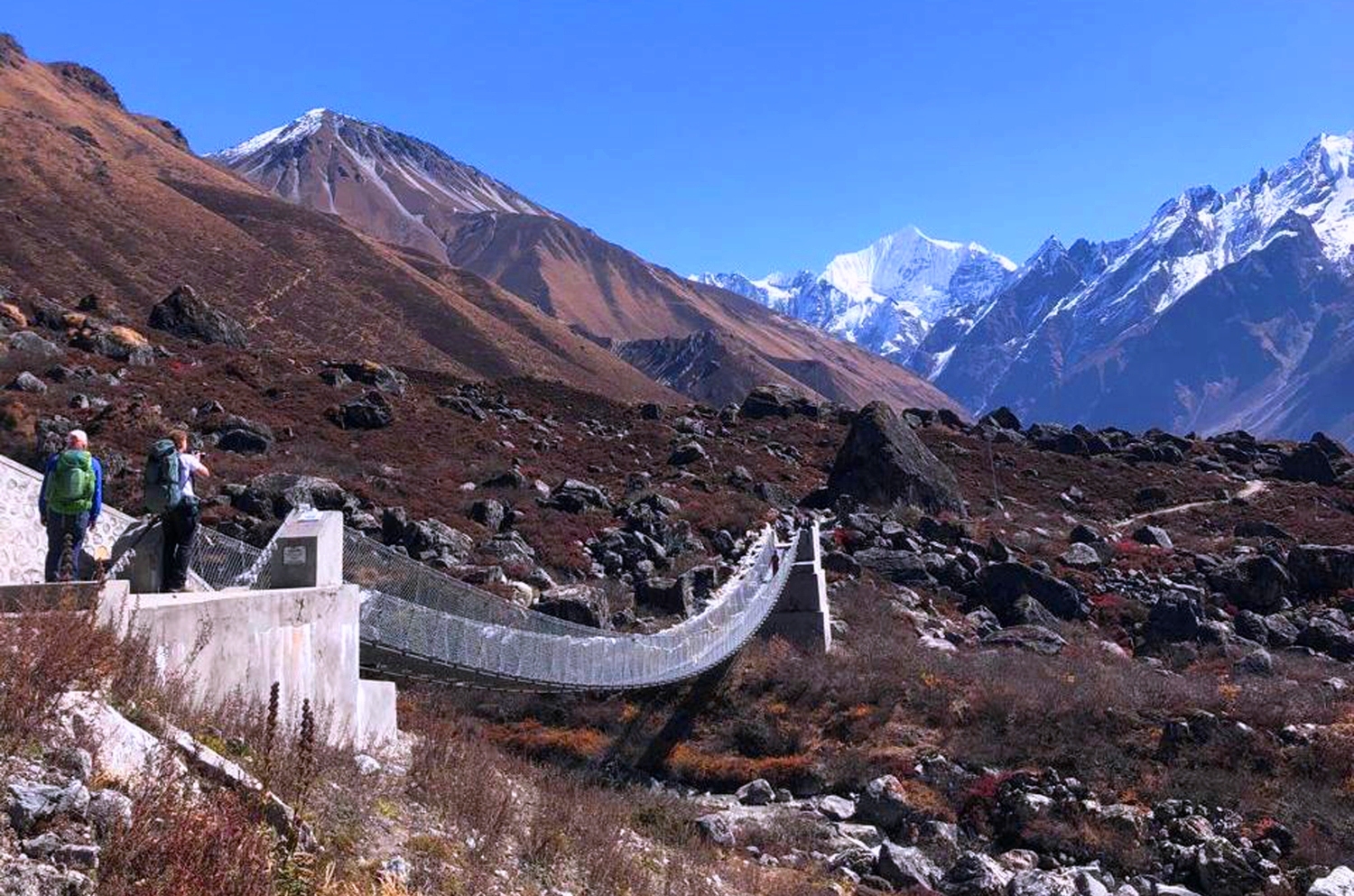
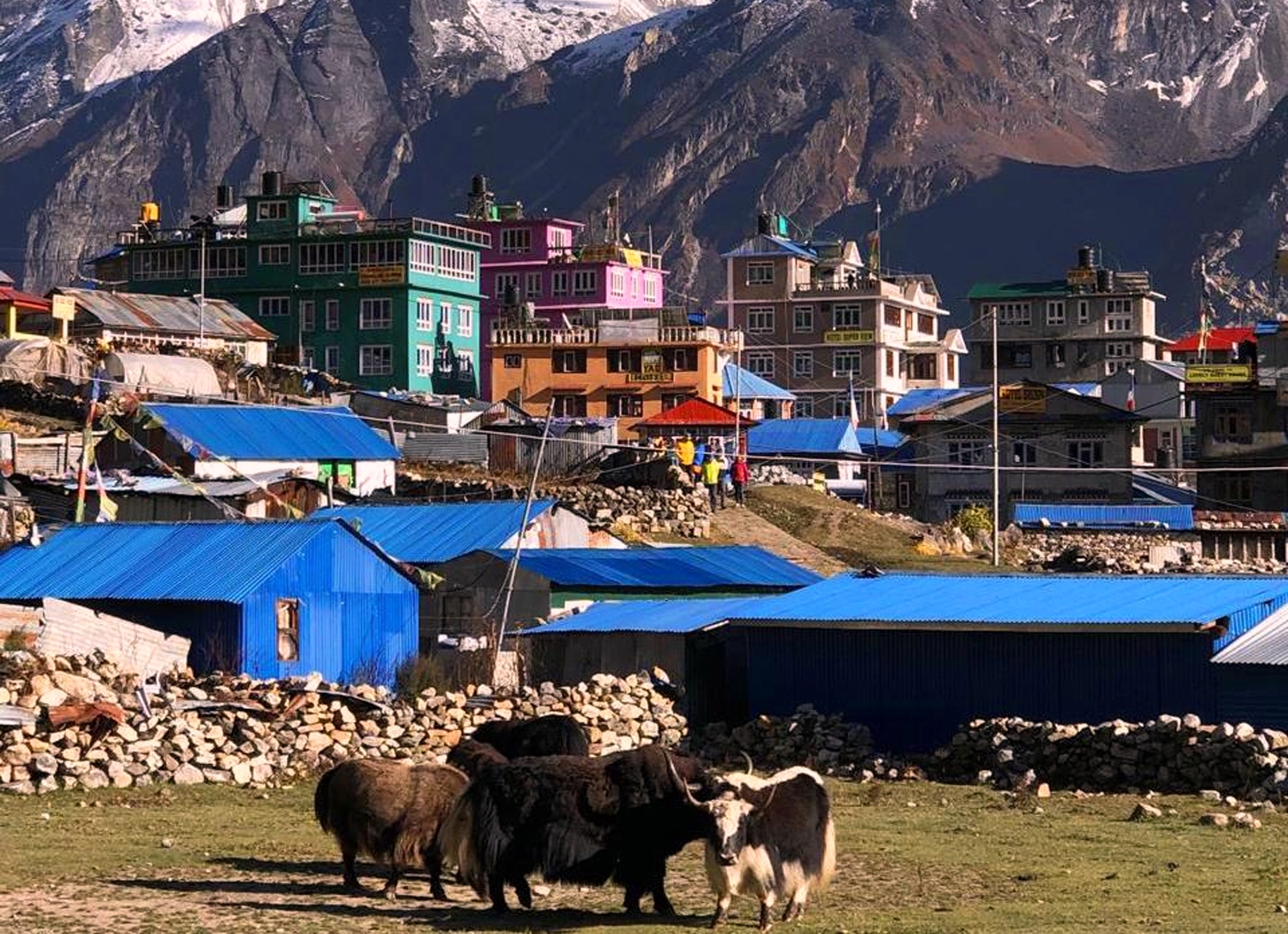
The Langtang Gosaikunda Trek offers an incredible blend of natural beauty, cultural richness, and spiritual depth. This journey takes you through the scenic Langtang Valley, where alpine meadows, dense rhododendron forests, and dramatic mountain views create a truly breathtaking setting. Along the way, you’ll pass through traditional Tamang and Tibetan-influenced villages, gaining insight into their unique customs, lifestyle, and warm hospitality.
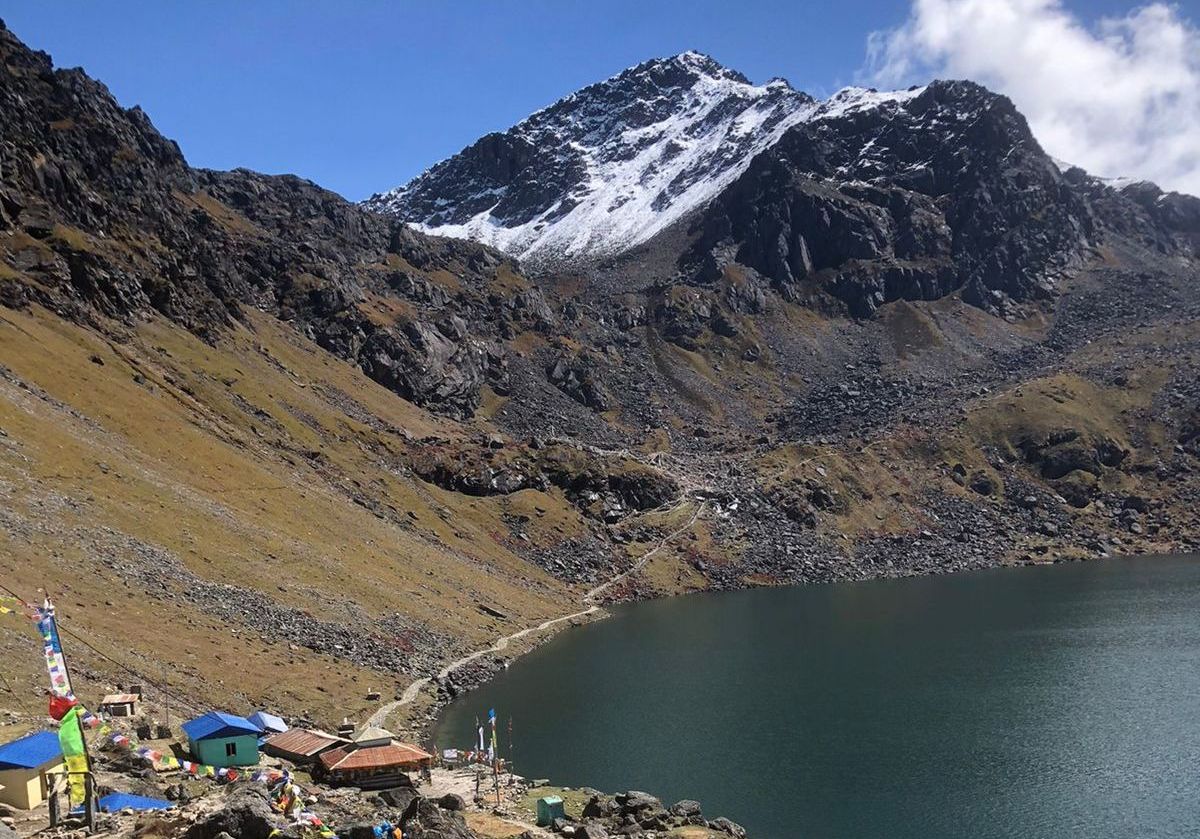
As the trek continues, you’ll reach the sacred lakes of Gosaikunda—believed to have been created by Lord Shiva. Set at an altitude of 4,380 meters, these pristine glacial lakes are a place of deep spiritual significance. Every year during the full moon festival of Janai Purnima (August) thousands of Hindu and Buddhist pilgrims, along with shamans, gather here to bathe in the icy waters, seeking purification and blessings.
Crossing the challenging Lauribina Pass (4,610m), the trail rewards you with panoramic views of the Langtang range and surrounding peaks. After the pass, the route descends through beautiful landscapes, pine and oak forests, and charming villages like Tharepati and Kutumsang, eventually reconnecting with the bustling city life of Kathmandu.
This trek is ideal for those seeking a mix of moderate adventure, mountain scenery, cultural discovery, and spiritual experience—all within a relatively short trekking duration. Whether you’re drawn by the sacred lakes or the alpine wilderness, the Langtang Gosaikunda Trek leaves a lasting impression on every traveler.
This trek builds naturally on the Langtang Valley Trek, and many trekkers choose to combine both into a single extended itinerary covering the full Langtang region. For a lower-altitude alternative near Kathmandu that still rewards with Himalayan views, the Chisapani Nagarkot Trek is an accessible two-day option worth considering.
The Langtang Gosaikunda Trek can be enjoyed year-round, but the best seasons to visit are spring (March to May) and autumn (September to November). These periods offer the most favorable weather conditions, clear skies, and stunning mountain views.
Spring (March to May): This season brings blooming rhododendrons, wildflowers, and moderate temperatures, making the trails colorful and vibrant. Days are warm, and nights are cooler but comfortable for trekking.
Autumn (September to November): After the monsoon, the air is fresh and clean, providing spectacular views of the Himalayan peaks. This is the most popular trekking season due to stable weather and pleasant temperatures.
Other Seasons:
Summer/Monsoon (June to August): The trail becomes slippery and muddy due to heavy rainfall. However, visiting in July/August lets you experience the Janai Purnima festival at Gosaikunda, a unique cultural highlight. Expect occasional clouds and limited views.
Winter (December to February): Cold temperatures and snowfall make trekking challenging, especially near Lauribina Pass and Gosaikunda Lake. Only experienced trekkers with proper gear should attempt the trek in winter.
Planning your trek during spring or autumn ensures the best combination of weather, scenery, and trekking comfort.
The weather on the Langtang Gosaikunda Trek varies greatly depending on the season and altitude. Understanding these conditions helps you prepare for a comfortable and safe journey.
Spring (March to May):
Summer/Monsoon (June to August):
Autumn (September to November):
Winter (December to February):
Altitude Impact: As you ascend above 3,000 meters, temperatures drop significantly. Expect colder nights and chilly mornings, even in spring and autumn. Proper layering and warm clothing are essential.
Accommodation: Accommodation along the Langtang Gosaikunda Trek is available in local tea houses or mountain lodges. These are simple but comfortable, offering:
Some lower villages (like Syabrubesi and Langtang Village) may offer slightly better facilities, while higher areas like Gosaikunda or Kyanjin Gompa are more basic due to remoteness.
Food: Teahouses provide a fixed menu approved by the local trekking association. Meals are freshly cooked and filling, with options like:
Vegetarian meals are widely available, and most trekkers eat Dal Bhat for its energy and freshness. Meat is available but not always recommended in higher regions due to transport limitations.
Getting to and from the Langtang Gosaikunda Trek involves a combination of road travel and trekking
Kathmandu to Syabrubesi: The trek starts with a 7 to 8-hour drive from Kathmandu to Syabrubesi, the gateway to Langtang Valley. The journey follows the Arniko Highway through scenic hills and towns like Dhunche. Roads can be bumpy and winding, but the views of terraced fields and mountain landscapes make the trip enjoyable.
Return from Sundarijal to Kathmandu: The trek ends near Sundarijal, just outside Kathmandu. From there, we will drive directly back to your hotel in Kathmandu.
Staying connected during the Langtang Gosaikunda Trek is possible, but coverage is limited and varies by location. Mobile networks and Wi-Fi services are available in many villages along the trail, but reliability decreases as you gain altitude.
Mobile Network:
Internet & Wi-Fi:
Acclimatization is a key part of the Langtang Gosaikunda Trek due to the significant altitude gain, especially above 3,000 meters. Proper acclimatization helps prevent Acute Mountain Sickness (AMS) and ensures a safer, more enjoyable trekking experience.
Why Acclimatization Matters: As the trek ascends to high-altitude points like Kyanjin Gompa (3,870m), Gosaikunda Lake (4,380m), and Lauribina La Pass (4,610m), your body needs time to adjust to the reduced oxygen levels. Trekking too fast without proper rest can lead to symptoms such as headache, nausea, dizziness, and fatigue.
Built-in Acclimatization Days:
Most itineraries include a rest and exploration day at Kyanjin Gompa, which is an ideal place for acclimatization. Trekkers are encouraged to take a day hike to Kyanjin Ri (4,773m) or Tserko Ri (4,984m) and return to sleep at a lower elevation—an effective method known as “climb high, sleep low.
The Langtang Gosaikunda Trek passes through the diverse landscapes of Langtang National Park, offering rich biodiversity and pristine natural beauty. As you ascend from sub-tropical forests to alpine terrain, you’ll encounter a wide variety of plant and animal life.
Flora: The lower regions of the trek are lush with oak, pine, and rhododendron forests. In spring (March–May), rhododendrons bloom in vibrant red, pink, and white, painting the hillsides in color. As the trail climbs higher, you’ll walk through juniper, fir, and alpine shrubs, eventually reaching rugged, rocky landscapes near Gosaikunda.
Common vegetation includes:
Fauna: Langtang National Park is home to many rare and endangered species. With some luck and quiet trekking, you may spot wildlife along the trail.
Wildlife commonly seen includes:
Bird lovers can enjoy sightings of:

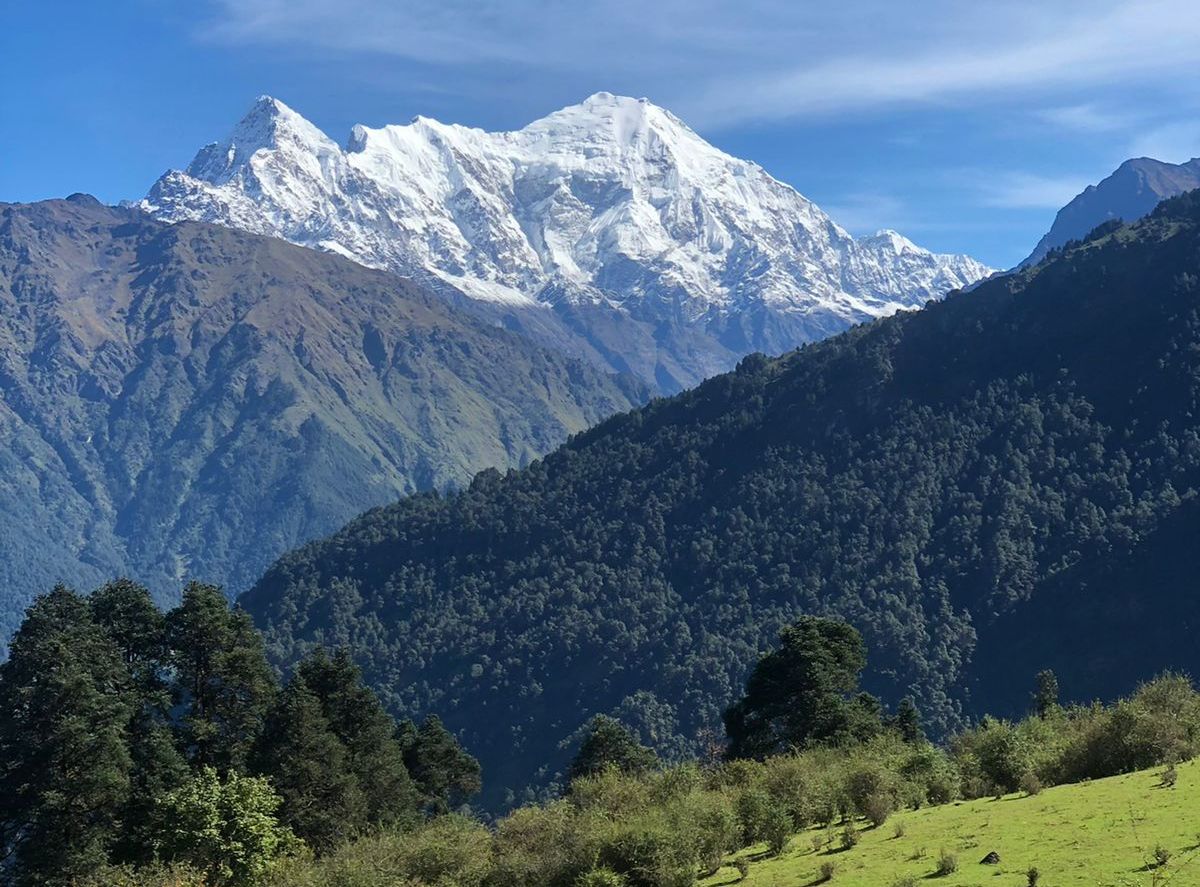
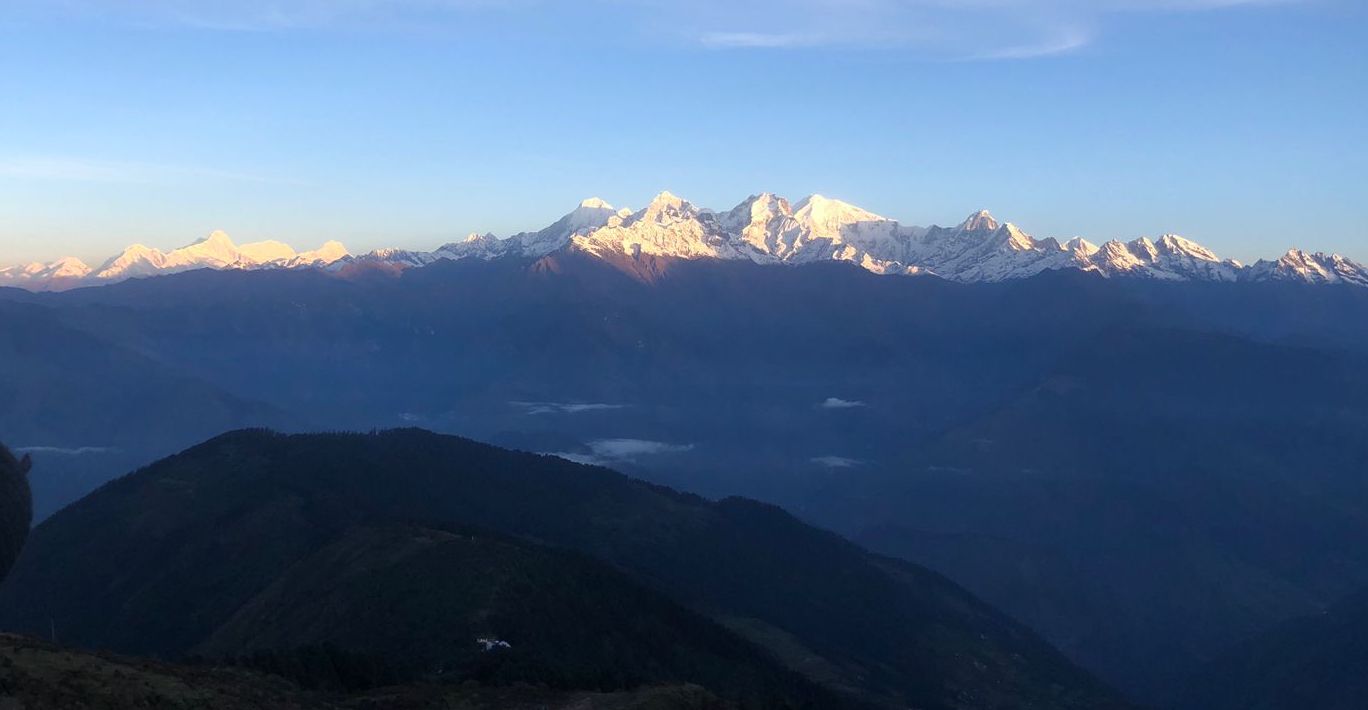
The Langtang Gosaikunda Trek is not only a journey through the Himalayas but also a cultural exploration of Nepal’s rich ethnic heritage. As you walk through remote mountain villages, you’ll experience the unique lifestyles, traditions, and beliefs of different local communities.
Tamang and Tibetan Influence: The lower Langtang Valley is primarily inhabited by the Tamang people, one of Nepal’s oldest indigenous groups. Their culture is deeply rooted in Tibetan Buddhism, which is reflected in their monasteries, chortens, prayer wheels, and colorful prayer flags lining the trail. The Tamang are known for their warm hospitality, traditional dress, and vibrant festivals.
Higher up, especially in places like Langtang Village and Kyanjin Gompa, you’ll notice strong Tibetan influence, as many residents are of Tibetan origin. Monasteries such as Kyanjin Gompa offer insight into Buddhist rituals, local architecture, and the spiritual life of the high Himalayas.
Hindu Pilgrimage at Gosaikunda: Gosaikunda Lake holds deep spiritual significance for Hindus and Buddhists alike. According to Hindu mythology, it was created by Lord Shiva and is believed to cleanse sins. During the Janai Purnima festival (July/August), thousands of pilgrims and shamans visit the lake for a holy dip, creating a vibrant mix of spiritual devotion and cultural celebration.
This trek offers a beautiful blend of Buddhist and Hindu traditions, making it one of Nepal’s most culturally enriching trekking experiences.
The Langtang Gosaikunda Trek is not only a journey through stunning Himalayan landscapes but also a spiritual trail rich in Buddhist and Hindu culture. Along the trek, trekkers encounter ancient monasteries, sacred lakes and local temples that reflect the deep religious traditions of the region.
Kyanjin Gompa: At 3,870 meters, Kyanjin Gompa is the most prominent monastery on the trek. This small but historic Tibetan Buddhist monastery is a hub for local spiritual life. Trekkers can explore the monastery, see prayer wheels, and interact with resident monks. The area is also dotted with chortens (Buddhist shrines) and mani walls decorated with prayer stones.
Gosaikunda Lake Temples: Gosaikunda, at 4,381 meters, is a sacred alpine lake revered in Hinduism and Buddhism. Small stone temples surround the lake, and devotees visit annually during the Janai Purnima festival in July/August to take a holy dip in the pristine waters. The spiritual ambiance of the lake offers trekkers a moment of reflection amidst breathtaking scenery.
Local Village Shrines: Along the Langtang Valley and Helambu regions, small village temples and prayer walls are common. These shrines serve as centers for local rituals and daily offerings. Trekkers can witness traditional Tamang religious practices, colorful prayer flags and the simple devotion of the mountain communities.
The Langtang Gosaikunda Trek is not only a journey through stunning Himalayan landscapes but also a spiritual trail rich in Buddhist and Hindu culture. Along the trek, trekkers encounter ancient monasteries, sacred lakes and local temples that reflect the deep religious traditions of the region.
Kyanjin Gompa:
At 3,870 meters, Kyanjin Gompa is the most prominent monastery on the trek. This small but historic Tibetan Buddhist monastery is a hub for local spiritual life. Trekkers can explore the monastery, see prayer wheels, and interact with resident monks. The area is also dotted with chortens (Buddhist shrines) and mani walls decorated with prayer stones.
Gosaikunda Lake Temples:
Gosaikunda, at 4,381 meters, is a sacred alpine lake revered in Hinduism and Buddhism. Small stone temples surround the lake, and devotees visit annually during the Janai Purnima festival in July/August to take a holy dip in the pristine waters. The spiritual ambiance of the lake offers trekkers a moment of reflection amidst breathtaking scenery.
Local Village Shrines:
Along the Langtang Valley and Helambu regions, small village temples and prayer walls are common. These shrines serve as centers for local rituals and daily offerings. Trekkers can witness traditional Tamang religious practices, colorful prayer flags and the simple devotion of the mountain communities.
Clothing:
Base Layers:
Insulation Layers:
Outer Layers:
Trekking Pants & Shorts:
Headwear & Gloves:
Footwear:
Trekking Gear:
Personal Items:
Electronics & Documentation:
Optional Items:
Why You Need Travel Insurance for the Langtang Gosaikunda Trek:
Travel insurance is a must-have for the Langtang Gosaikunda Trek. While this trek is accessible and moderate in difficulty, it still takes you into high-altitude, remote areas where medical support is limited and unpredictable weather or accidents can occur.
Emergency Evacuation Coverag: One of the most important reasons to get insurance is to cover the cost of helicopter evacuation, which may be required in case of altitude sickness, injury, or other emergencies. Without insurance, helicopter rescue in Nepal can cost thousands of dollars.
Altitude-Related Risks: This trek reaches elevations above 4,600 meters, where the risk of Acute Mountain Sickness (AMS) is real. If symptoms become severe, immediate evacuation is necessary, and your insurance must cover high-altitude trekking (typically above 4,000m).
Coverage for Trip Interruptions & Delays: Unforeseen events like bad weather, road blockages, illness, or political strikes can delay your trip. A good insurance policy covers trip cancellations, delays, or missed connections, giving you peace of mind.
Lost or Damaged Gear: Trekking in the mountains also involves carrying valuable gear. Travel insurance can help cover losses due to theft, loss, or damage to your belongings.
Note: Make sure your insurance policy specifically covers high-altitude trekking and emergency rescue in Nepal. Always carry a printed copy of your policy while trekking.
Nepal
13 Days
Easy to Moderate
Trekking
Kathmandu
Kathmandu
4,610m, (Laurebina La Pass)
Local Lodges / Hotel
Not included
1 to 10
Spring (March–May) & autumn (September–November)
Langtang Lational Park Entry