
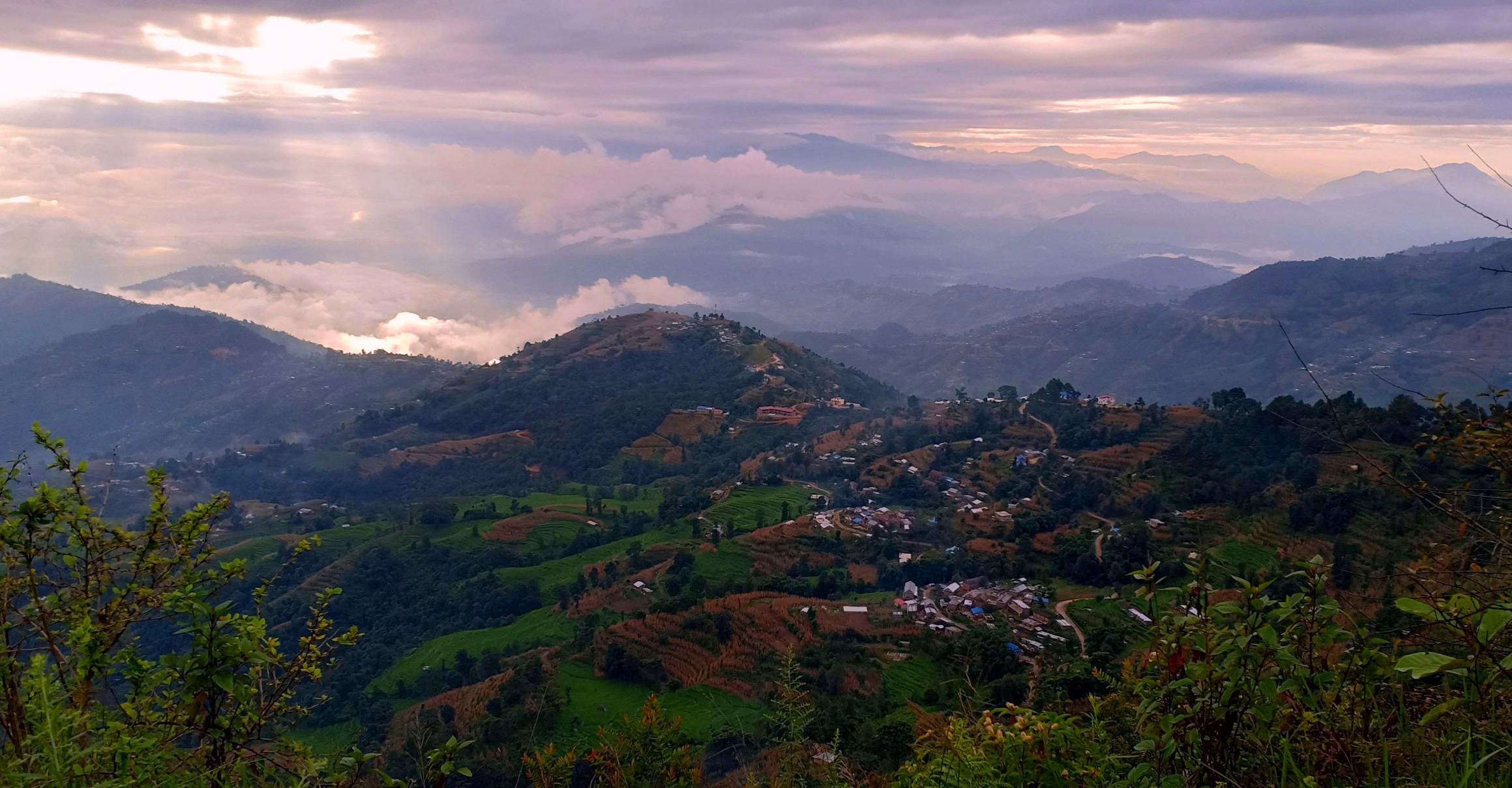
The Chisapani Nagarkot Trek is one of the best short treks near Kathmandu, offering a perfect mix of natural beauty, cultural diversity and Himalayan views. Ideal for families, beginners and travelers with limited time, this 2 to 3-day trek provides a refreshing escape from the city without requiring high-altitude trekking experience.
The trek begins with a scenic drive from Kathmandu to Sundarijal, the gateway to Shivapuri National Park. As you ascend through lush forests, cascading streams, and stone staircases, you’ll reach the peaceful village of Chisapani, known for its cool air and panoramic views of the Himalayas. The trail passes through beautiful rhododendron and oak forests, traditional Tamang and Brahmin villages and terraced fields, offering a close look at rural life in Nepal.
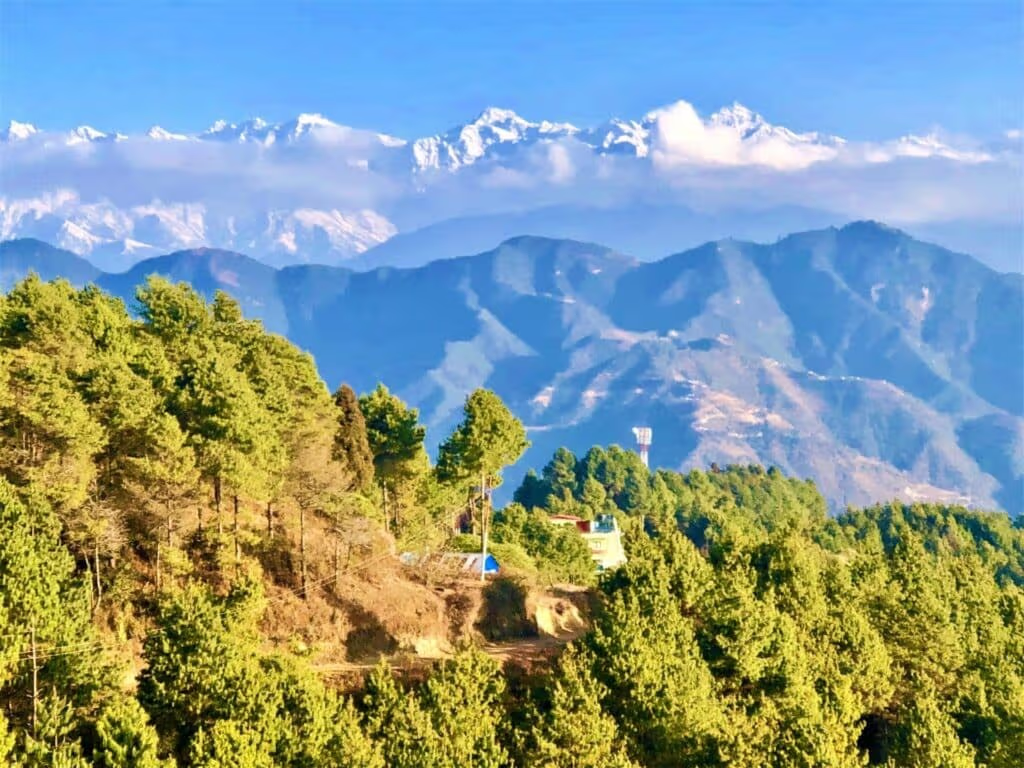
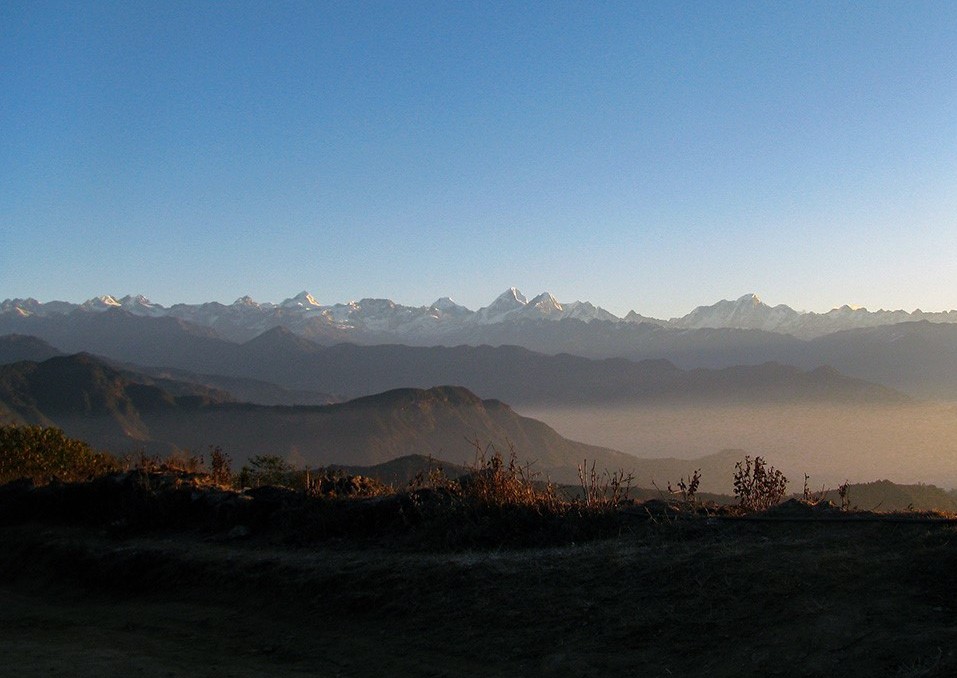
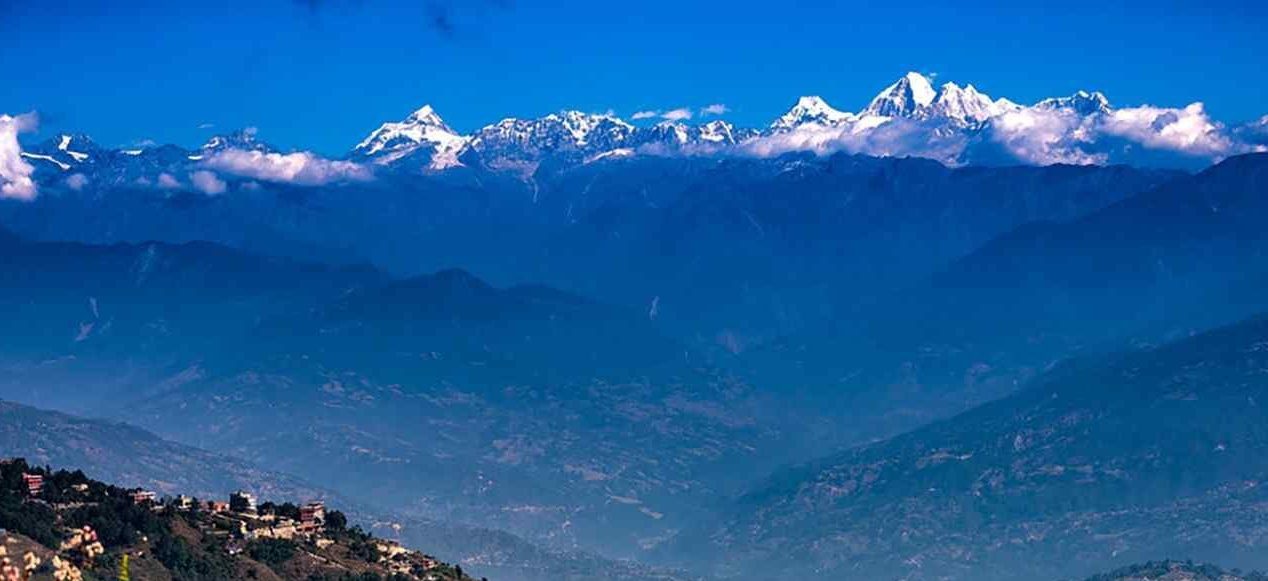
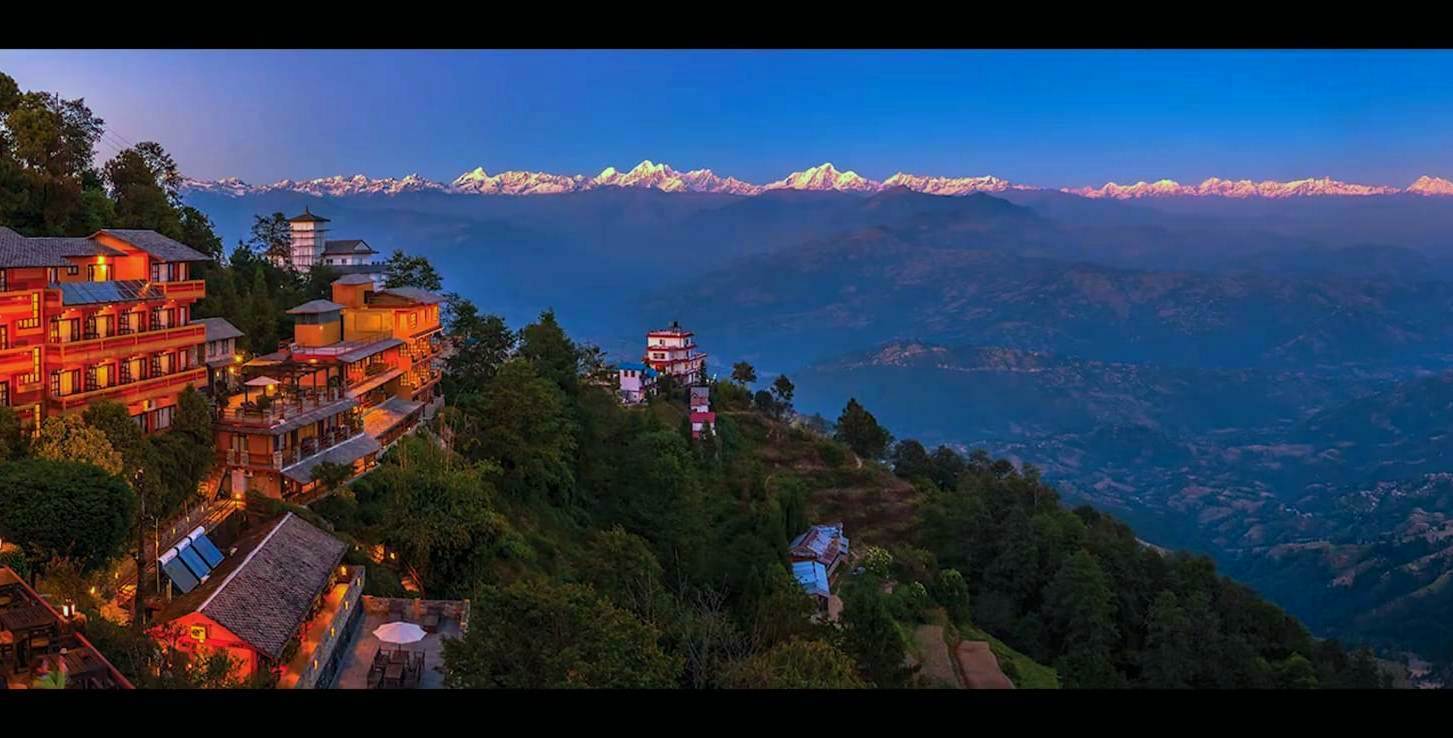
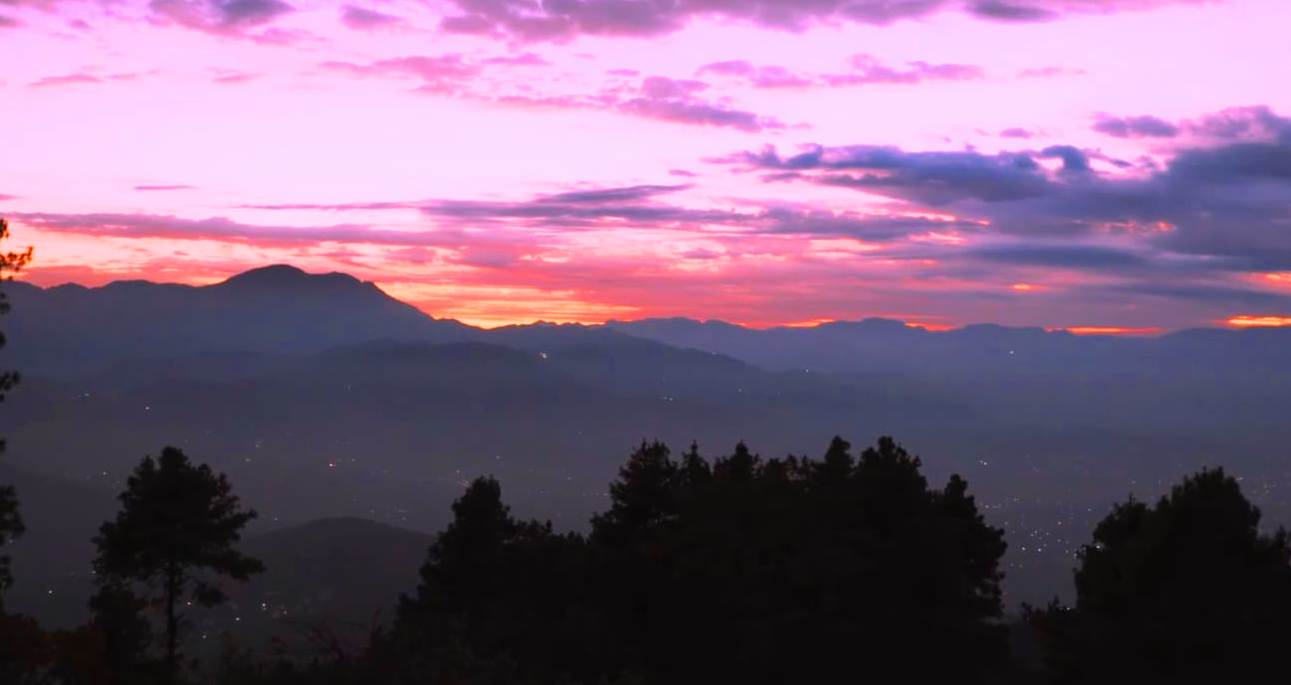
From Chisapani, the route continues to Nagarkot, one of Nepal’s most famous hill stations. On clear days, Nagarkot rewards trekkers with stunning sunrise and sunset views of major Himalayan peaks, including Langtang, Ganesh Himal, Manaslu, Dorje Lakpa, Cho Oyu and even Gaurishankar.
This trek combines easy walking paths with immersive cultural experiences and breathtaking mountain scenery. It’s an excellent choice for travelers looking to enjoy short trekking near Kathmandu, with minimal travel and maximum reward.
Whether you’re looking for a family-friendly hike or a peaceful nature walk with Himalayan vistas, the Chisapani to Nagarkot Trek is a top pick among short treks in Nepal.
This two-day circuit is an ideal warm-up for longer Himalayan journeys, particularly the Langtang Valley Trek located in the same Bagmati Province just north of Kathmandu. Trekkers who want to continue with a more remote adventure can progress to the Langtang Gosaikunda Trek, a multiday circuit combining valley, glacier, and sacred lake landscapes.

The best time to do the Chisapani Nagarkot Trek is during spring (March to May) and autumn (September to November). These seasons offer the clearest mountain views, pleasant temperatures, and blooming landscapes.
Spring (March to May):
Autumn (September to November):
Monsoon (June to August):
Winter (December to February):
Recommended: For the best experience with scenic beauty and comfortable weather, plan your trek between March–May and mid-September–November.
The Chisapani Nagarkot Trek, located near Kathmandu at elevations between 1,400 m and 2,200 m, experiences a moderate climate year-round. While the trek is accessible in all seasons, weather conditions and temperatures vary depending on the time of year.
Spring (March to May):
Summer/Monsoon (June to August):
Autumn (September to November):
Winter (December to February):
The Chisapani Nagarkot Trek offers a comfortable blend of nature and simplicity, with basic yet welcoming food and lodging along the trail. Although close to Kathmandu, the trek provides a real taste of rural life with cozy teahouses and traditional Nepali meals.
Accommodation:
Chisapani: You’ll stay in small, family-run teahouses offering simple twin-sharing rooms with beds, blankets, and pillows. Most rooms are basic but clean, with either shared or attached bathrooms. Some teahouses offer hot showers and limited charging facilities for a small fee.
Nagarkot: As a popular hill station, Nagarkot has a wider range of accommodations—from budget-friendly guesthouses to mid-range hotels and luxury resorts. Depending on your preference, you can enjoy rooms with mountain views, private bathrooms, Wi-Fi, and warm hospitality.
Food: Throughout the trek, meals are served at the lodges and follow a fixed menu offering both local and basic international dishes:
Popular Meals:
All food is freshly prepared, and most options are vegetarian-friendly. Non-vegetarian meals may be available in larger guesthouses or hotels, especially in Nagarkot.
The Chisapani Nagarkot Trek is easily accessible from Kathmandu, making transportation simple and convenient.
Getting to Sundarijal (Trailhead)
Returning from Nagarkot or Changunarayan to Kathmandu
Staying connected on the Chisapani Nagarkot Trek is relatively easy compared to remote high-altitude treks in Nepal. Since the trail stays close to the Kathmandu Valley, mobile network coverage and internet access are available in most places.
Mobile Network:
Tip: For better coverage, consider getting an NTC SIM card, as it tends to perform slightly better in rural and forested areas.
Internet Access:
The Chisapani Nagarkot Trek is a low-altitude, easy-grade trek ideal for beginners and families. Since the trail stays well below 2,200 meters, there’s no need for special acclimatization. The risk of altitude sickness is extremely low, making it a safe and comfortable trek for all age groups.
The Chisapani Nagarkot Trek takes you through the scenic landscapes of Shivapuri Nagarjun National Park, one of Nepal’s most biodiverse protected areas. This trek is not only known for Himalayan views and cultural villages but also for its rich natural environment.
Flora (Plant Life): As you hike through the park and surrounding hills, you’ll encounter a variety of vegetation zones:
Fauna (Wildlife): Shivapuri Nagarjun National Park is home to a wide range of wildlife. While sightings depend on luck and season, some commonly found species include:
Mammals:
Birds: A paradise for birdwatchers, the park hosts over 300 species of birds, such as:
Reptiles and Insects: You may spot garden lizards, butterflies, and dragonflies along the trail, especially during warmer months.
The Chisapani Nagarkot Trek is not just a scenic walk through nature—it’s also a journey through the rich cultural tapestry of Nepal. As you pass through villages and farmlands along the trail, you’ll encounter a blend of ethnic groups, traditional lifestyles, and local customs that reflect the cultural richness of the Kathmandu Valley rim.
Tamang Communities (Around Sundarijal and Mulkharka)
Hill Farmers and Mixed Ethnic Villages:
Newar Culture in Changunarayan:
While the Chisapani Nagarkot Trek is renowned for its mountain views and natural beauty, it also offers a peaceful spiritual journey through ancient temples and small Buddhist monasteries. Along the trail, trekkers encounter sacred sites that reflect the cultural and religious harmony of the region.
Changunarayan Temple (UNESCO World Heritage Site): Located near the endpoint of the trek, Changunarayan Temple is one of the oldest Hindu temples in Nepal, dedicated to Lord Vishnu. The temple is known for its intricate wood carvings, stone sculptures, and ancient inscriptions. It stands as a cultural highlight of the trek and offers a glimpse into Nepal’s deep-rooted spiritual traditions.
Small Hindu Shrines along the Trail: Throughout the journey—from Sundarijal to Chisapani and onward to Nagarkot—trekkers will pass several small village shrines and temples. These local religious sites are dedicated to deities such as Shiva, Ganesh, and Durga, and are an important part of daily life for the Hindu communities along the route.
Buddhist Monasteries and Shrines: In the Tamang villages around Mulkharka and Chisapani, you’ll find Tibetan-influenced Buddhist culture. Here, you may come across small monasteries, prayer flags, chortens (stupas), mani walls, and prayer wheels—symbols of peace and spirituality in the Himalayan foothills.
The Chisapani Nagarkot Trek not only offers scenic beauty but also provides an authentic glimpse into the cultural traditions and vibrant festivals of the local communities. As you pass through Tamang, Newar, and mixed Hindu-Buddhist villages, you’ll witness age-old customs that reflect Nepal’s rich cultural diversity.
Local Traditions: Tamang Culture: In villages like Chisapani and Mulkharka, the Tamang people preserve their Tibetan-influenced traditions. Their daily life includes Buddhist rituals, traditional music (Damphu dance), and warm hospitality.
Newar Heritage: Near Changunarayan and Nagarkot, Newar communities are known for their unique language, cuisine, and temple-based rituals.
Agricultural Lifestyle: Farming remains a central way of life, and seasonal farming practices are often tied to traditional celebrations and offerings to deities for a good harvest.
Festivals along the Chisapani Nagarkot Trek
Dashain (Sep–Oct): Nepal’s biggest Hindu festival, marked by blessings (Tika), family gatherings, animal sacrifices, and decorated villages.
Tihar (Oct–Nov): The Festival of Lights honors animals like dogs and cows. Homes glow with oil lamps, and locals sing Deusi-Bhailo in the evenings.
Buddha Jayanti (Apr–May): Celebrated in Buddhist villages, especially among Tamang communities, with prayers, butter lamps, and monastery rituals.
Lhosar (Jan–Feb): Tibetan New Year observed by Tamangs with traditional dances, feasting, and visits to monasteries for blessings.
Why You Need Travel Insurance for the Chisapani Nagarkot Trek:
Although the Chisapani Nagarkot Trek is a relatively easy and low-altitude hike near Kathmandu, having travel insurance is still highly recommended for your safety and peace of mind.
Unexpected Medical Emergencies: Minor injuries like sprains, blisters, or altitude-related discomfort can occur even on short treks. Travel insurance can cover the cost of medical treatment, clinic visits, or hospital care if needed.
Emergency Evacuation Support: While rare, if a serious health issue arises, evacuation might be required. Travel insurance with emergency evacuation coverage ensures you’re not burdened with expensive rescue or transport fees.
Lost or Damaged Luggage: If you’re traveling from abroad, travel insurance can cover loss or damage of trekking gear or personal belongings during your trip to Nepal.
Trip Delays or Cancellations: Weather conditions or unforeseen events may delay transportation or force you to cancel your trek. Good travel insurance can reimburse you for non-refundable expenses like accommodations or transportation.
Peace of Mind While Exploring: Travel insurance gives you the freedom to enjoy the trail with confidence, knowing you’re protected against unexpected situations.
Essential Clothing:
Gear & Accessories:
Personal Items:
Snacks & Extras
Accommodation is based on twin-sharing. Single rooms are available upon request at an additional cost.
Please carry valid identification documents and the necessary permits throughout the trip.
Bring your personal medications and basic first-aid supplies as required.
Please respect local customs, religious sites, communities and wildlife. Avoid loud noises and sudden movements, particularly during jungle and wildlife activities.
Mobile network coverage may be limited in remote mountain and protected areas.
Travelers should be in good general physical condition and prepared for several hours of walking and travel each day.
Weather and road conditions in Nepal can change quickly, so the itinerary may occasionally require minor adjustments for safety and operational reasons.
Please follow the instructions of your local guide and driver throughout the journey for a safe and enjoyable experience.
Nepal
3 Days
Easy to Moderate
Hiking & Cultural Exploration
Kathmandu
Kathmandu
2,175m (Nagarkot View Tower)
Local Lodges / Hotel
Not included
2 to 20
Spring (March–May) & autumn (September–November)
Shivapuri National Park Entry