

Welcome to Nepal, a land of breathtaking Himalayan landscapes, ancient temples, and incredibly warm-hearted people. Your visit will be greatly enriched by understanding and respecting the local customs. This guide provides essential Nepal travel tips to help you navigate the culture with respect and appreciation.
Greetings: The Namaste
The traditional Nepali greeting is “Namaste” (pronounced nuh-muh-stay). It is performed by pressing the palms together in a prayer-like position (called Anjali Mudra) at the chest and slightly bowing the head. The word itself means “I bow to the divine in you.”
- Do: Use “Namaste” when meeting someone. It is a sign of respect for all ages and social statuses.
- Do: Accept items, especially food and money, with your right hand, with your left hand touching your right wrist as a further sign of respect.
- Don’t: Shake hands with or touch women unless they explicitly offer a hand first. Stick to “Namaste.”
Temple & Sacred Site Manners
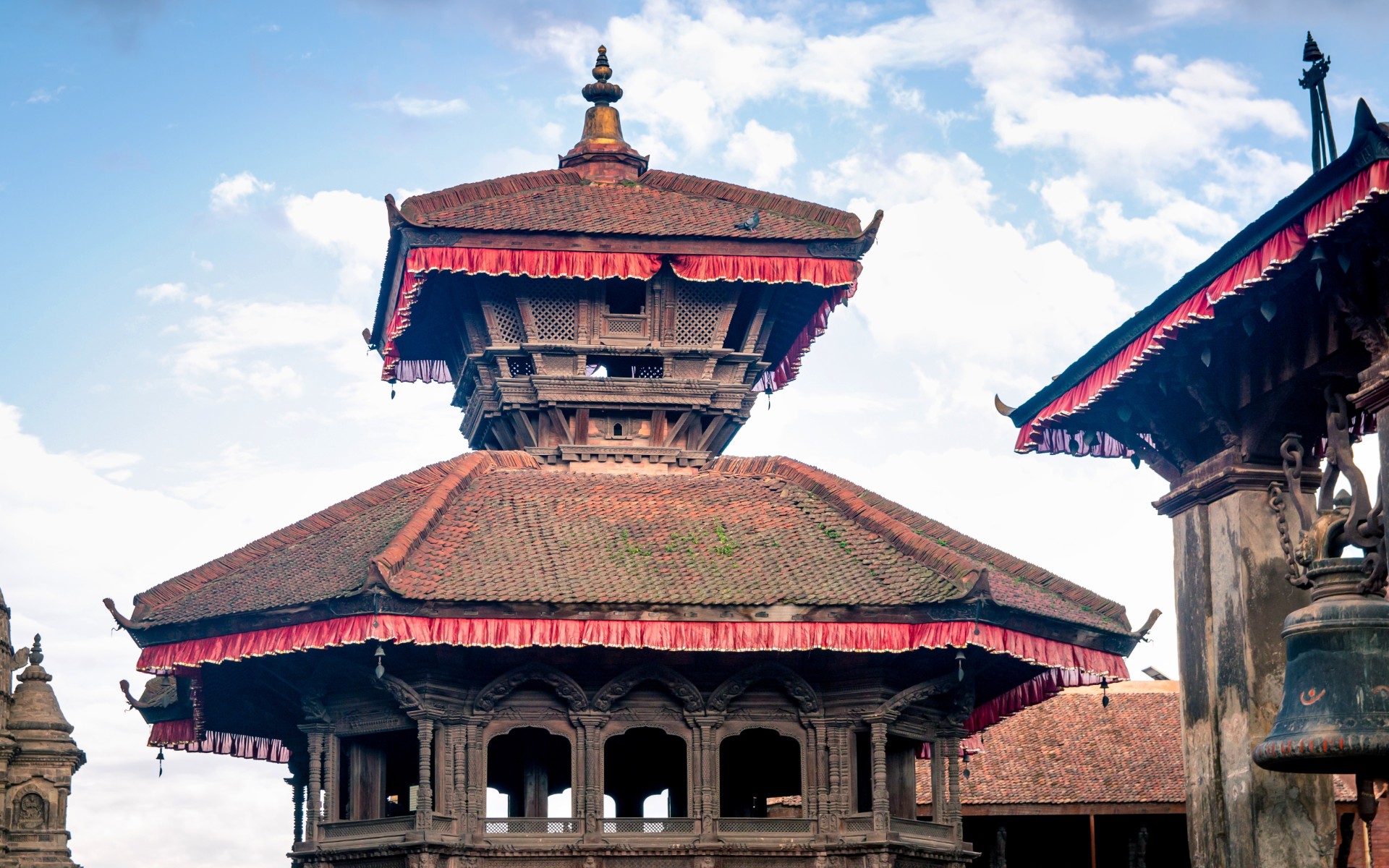
Nepal is a deeply spiritual country, and its temples, stupas, and monasteries are central to daily life. Observing proper etiquette here is one of the most important things to know before visiting Nepal.
- Do: Always walk clockwise around stupas (like Boudhanath or Swayambhunath) and Hindu temple complexes. This is a ritual of respect.
- Do: Remove your shoes before entering any temple, shrine, or even a local’s home. Look for a pile of shoes outside the entrance.
- Don’t: Wear leather items (belts, bags, jackets) into Hindu temples, as cows are considered sacred.
- Don’t: Touch religious offerings or artifacts without permission. It is strictly forbidden to touch a lingam (a representation of Shiva) in Hindu temples.
- Don’t: Take photos inside temples or of people during private worship unless you have clear permission.
Dress Code: Modesty is Key
Nepalis are generally modest dressers. As a visitor, dressing respectfully will help you blend in and show respect for the local culture.
- Do: Wear clothes that cover your shoulders and knees, especially when visiting temples or rural villages.
- Do: Consider carrying a scarf or shawl to cover up when needed.
- Don’t: Wear revealing clothing like short shorts, tank tops, or low-cut tops in religious and public spaces.
Photography Etiquette
Nepal is visually extraordinary and easy to photograph badly. A little awareness makes the difference between a respectful exchange and an intrusion.
Ask before photographing people. This applies everywhere, but especially at temple ghats, markets, and rural villages. A genuine yes is not the same as a vague nod. Make eye contact, gesture toward your camera, and wait for a clear signal. Most people are glad to be photographed when asked properly.
Sadhus at Pashupatinath often request payment before allowing photographs. This is a recognised arrangement at a site that draws photographers specifically to capture them. Agree a rate before you shoot. NPR 100 to 200 is standard.
Inside temples and monasteries, photography is often restricted. Look for posted signs near the entrance, or ask before entering. The main sanctuaries at major sites including Pashupatinath, Changu Narayan, and the Kumari Chowk in Kathmandu prohibit photography inside. Monasteries vary; the monks will usually indicate.
Military installations, airports, and government buildings should not be photographed. This is enforced, not advisory.
A practical note: the light on the Kathmandu Valley at dawn and dusk, the reflection off stupas and gilded temple rooftops, and the Himalayan ridge at first light are all worth the early start. Golden hour in Nepal is extraordinary.
Tipping and Money Customs
Tipping is expected in Nepal and forms a meaningful part of income for guides, drivers, porters, and hotel staff. Understanding the going rates helps you tip appropriately.
For trekking guides, NPR 500 to 1,000 per day is the standard range, with senior guides warranting the higher end. For porters, NPR 300 to 500 per day is appropriate. In restaurants in tourist areas, 10 percent is reasonable. Hotel housekeeping staff typically receive NPR 100 to 200 per night.
For all transactions: use your right hand to give and receive money. The left hand is considered impure for this kind of exchange. This applies to market purchases, donations at temples, and any situation where money changes hands in a traditional context.
Bargaining is expected at tourist markets and craft stalls, but not in fixed-price restaurants or supermarkets. When negotiating, stay firm without being aggressive. The difference in price matters considerably more to a local vendor than it does to most visitors. A fair deal is one where both sides walk away satisfied.
Visiting a Nepali Home
An invitation into a Nepali home is genuine hospitality. It is worth knowing how to receive it well.
Remove your shoes at the door before you are asked. The custom applies across all households regardless of setting.
Bring something small. Fruit, sweets, or biscuits work well as a gesture. Flowers are associated with funerals in some Nepali traditions, so avoid them for social visits. Alcohol is appropriate only if you know the family drinks.
Accept what is offered. Refusing tea or food is seen as impolite in most Nepali households. If you have a dietary restriction, name it before the food is prepared rather than after it arrives. Taking even a small amount of what is served is the respectful choice.
Sitting posture matters. Avoid pointing your feet toward elders, the household shrine, or the kitchen fire. Sitting cross-legged or with feet tucked to one side is the right approach.
Complimenting the home is welcome. Complimenting children is fine. Do not touch a child’s head without permission; the head is considered the most sacred part of the body in Nepali belief.
Dos and Don’ts: Essential Nepal Culture Guide
Dos
- Eat with your right hand: The left hand is considered unclean as it is used for personal hygiene. Use your right hand for eating, passing items, and giving/receiving money.
- Ask before taking photos: Always ask for permission before photographing people, especially sadhus (holy men) and locals in rural areas.
- Be patient: The concept of time in Nepal (“Nepali time”) is often more relaxed. Embrace the slower pace.
- Respect elders: A slight bow when passing by or interacting with an elder is a sign of good manners.
Don’ts
- Don’t public affection: Avoid kissing, hugging, or other intimate contact in public. It can make locals uncomfortable.
- Don’t point with a single finger: It is considered rude. Instead, gesture with your whole hand, palm facing down.
- Don’t step over people or offerings: If someone is sitting on the ground or there is a religious offering, walk around them.
- Don’t offer food from your plate: Once you have started eating from your plate, the food is considered “jutho” (polluted) and should not be shared.
- Don’t touch a person with your feet: The feet are considered the lowest and dirtiest part of the body. Apologize immediately if you accidentally do so.
Final Thoughts
Nepalis are known for their hospitality and are very forgiving of unintentional cultural mistakes. A genuine smile and a respectful “Namaste” will go a long way. By making an effort to understand and follow these customs, you will not only show respect for this beautiful country but also create a more meaningful and memorable travel experience. Enjoy your journey to the roof of the world!
Ready to experience Nepal with a local expert?
Hawkseye Travels has spent over 20 years crafting luxury journeys across Nepal, Bhutan, and Tibet — from private Everest treks and helicopter tours to bespoke cultural circuits. Contact us to plan your perfect Himalayan journey.
Also read: Things to do in Kathmandu | Annapurna Circuit trek guide | Hidden gems in Nepal