

Introduction
We all know the postcard-perfect images of Nepal: the majestic peaks of Everest, the bustling streets of Thamel, and the serene beauty of Phewa Lake in Pokhara. But what if I told you that the soul of Nepal lies not in these well-trodden paths, but in the whispers of forgotten trails, the stillness of remote valleys, and the genuine smiles in villages untouched by mass tourism?
I’ve traded the familiar for the extraordinary, venturing into the heart of this Himalayan kingdom to bring you a curated list of destinations that will redefine your perception of travel in Nepal. Pack your sense of adventure, and let’s explore these offbeat places in Nepal.
The Forbidden Kingdom of Upper Mustang: A Desert in the Sky
Travel Inspiration: Step into a living museum, a high-altitude desert that was once the secluded Kingdom of Lo.
Imagine a landscape of eroded cliffs in hues of red, orange, and brown, where caves dot the mountainsides and a culture so pure it feels suspended in time. Upper Mustang, opened to foreigners only in 1992, retains a mystical aura. The capital, Lo Manthang, is a walled city where the King’s palace still stands tall. The experience here is about immersion: trekking through ancient trading routes, visiting centuries-old monasteries like Ghar Gompa, and witnessing the vibrant Tiji Festival, a three-day ritual celebrating the victory of good over evil.
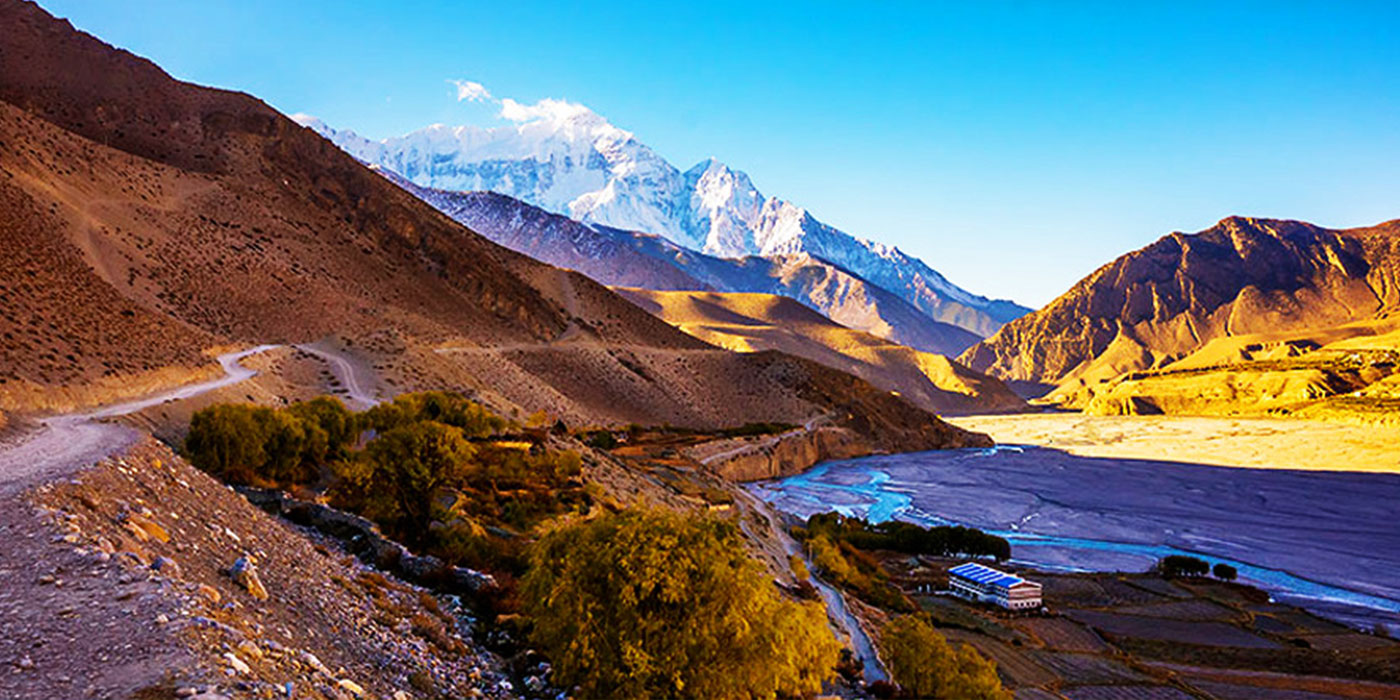
- Unique Experience: Exploring the sky caves of Chhoser, mysterious man-made caverns whose origins and purposes still puzzle archaeologists.
- Accessibility: Requires a special restricted area permit and a flight to Jomsom from Pokhara, followed by a 7–10 day trek.
- Local Culture: Predominantly Tibetan, with strong Bon Po and Buddhist influences.
- Best Time to Visit: March to early November. The Tiji Festival usually falls in May.
The Sacred Lakes of Gosaikunda: A Pilgrimage of Peaks
Travel Inspiration: Trek through rhododendron forests to a sacred alpine lake that mirrors the heavens.
While the Langtang Valley sees some trekkers, the specific pilgrimage to Gosaikunda is a spiritual journey like no other. The trail winds through Tamang villages, offering glimpses of Langtang Lirung, before revealing the pristine Gosaikunda Lake. According to Hindu mythology, this is where Lord Shiva thrust his trident into the mountain to create a spring, quenching his thirst after consuming poison. During the full moon of August, thousands of pilgrims bathe in the icy waters, a sight of profound devotion.
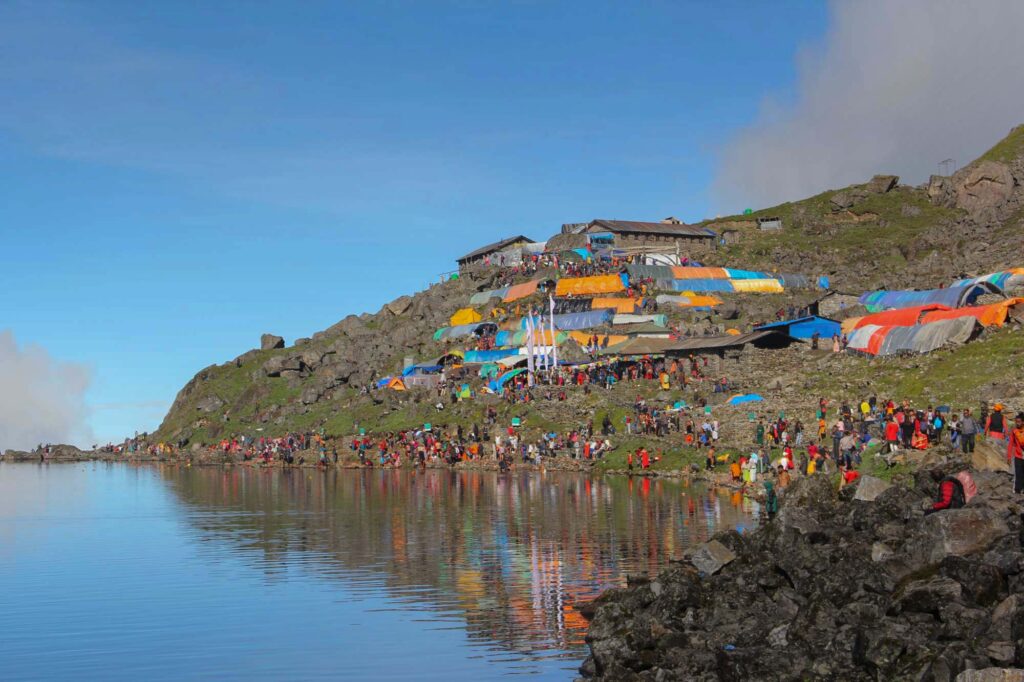
- Unique Experience: Witnessing the Janai Purnima festival, where Hindu devotees change their sacred threads and take a holy dip in the freezing lake.
- Accessibility: A 4–5 day trek from Dhunche or Syabrubesi, both accessible by road from Kathmandu.
- Local Culture: A blend of Tamang and Tibetan cultures in the lower regions, with a strong Hindu pilgrimage element at the lake.
- Best Time to Visit: March–May and September–November. August is special for the festival but can be crowded and monsoon-affected.
The Wild East: The Kanchenjunga Base Camp Trek
Hidden Destinations: Stand in the shadow of the world’s third-highest mountain in one of Nepal’s most remote corners.
For those who find the Everest Base Camp trek too crowded, Kanchenjunga is the ultimate answer. This is a true expedition into the wilderness. The trek takes you through a dramatic transition from lush, subtropical jungles teeming with wildlife to the stark, breathtaking amphitheater of the Kanchenjunga massif. The sense of isolation and raw, untouched nature is unparalleled.
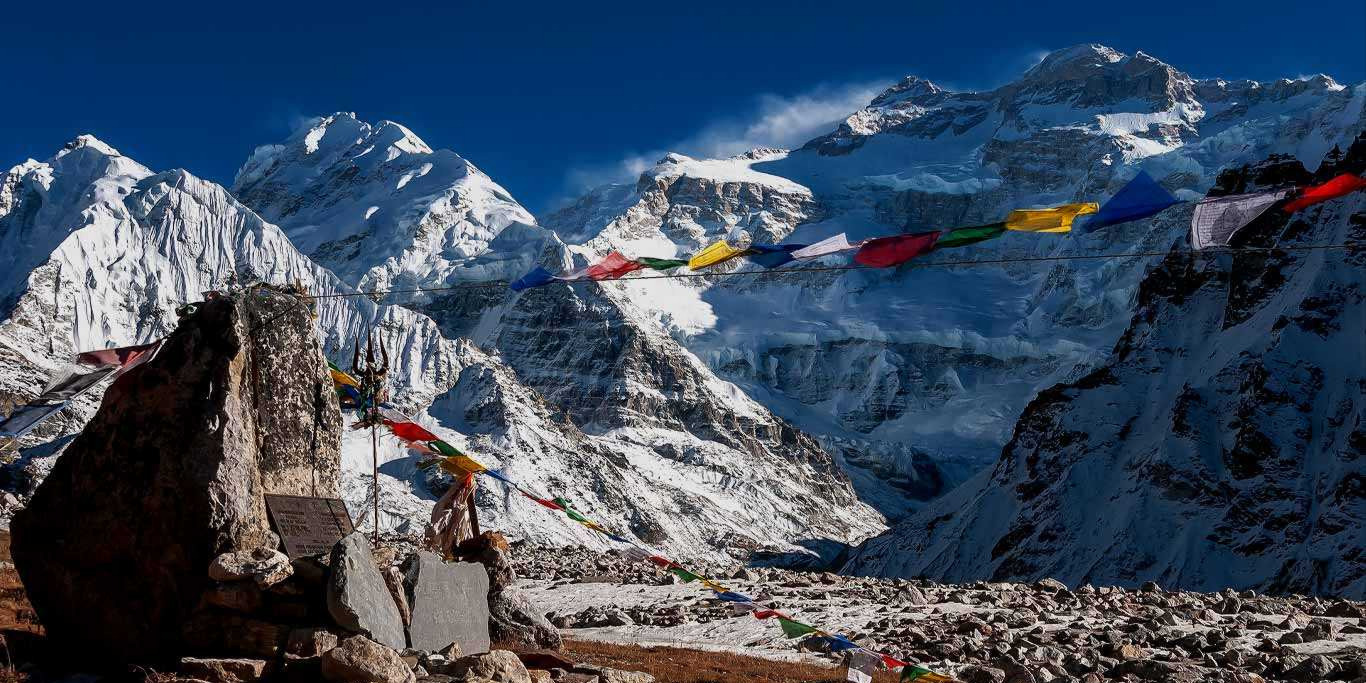
- Unique Experience: Spotting rare wildlife like the Red Panda in the lower forests and feeling the immense scale of the Kanchenjunga glacier.
- Accessibility: Very remote. Requires a flight to Bhadrapur, a long drive to Taplejung, and a 20+ day trek with a certified guide. A restricted area permit is mandatory. For how Hawkseye handles permit applications and private trekking arrangements, see our guide to private tours in Nepal.
- Local Culture: Limbu, Rai, and Sherpa communities with distinct traditions and hospitality.
- Best Time to Visit: October–November and March–April.
Bardia National Park: A Wilderness Untamed
Offbeat Places in Nepal: Trade mountain vistas for jungle safaris in Nepal’s wild west.
Forget Chitwan. Bardia National Park, in Nepal’s Terai, offers a more authentic and less crowded jungle experience. This vast wilderness is home to the endangered Bengal tiger, the greater one-horned rhinoceros, and wild elephants. The chances of a tiger sighting here are significantly higher. Days are spent on elephant-back safaris, jeep tours, and guided jungle walks, while nights are for listening to the symphony of the wild.
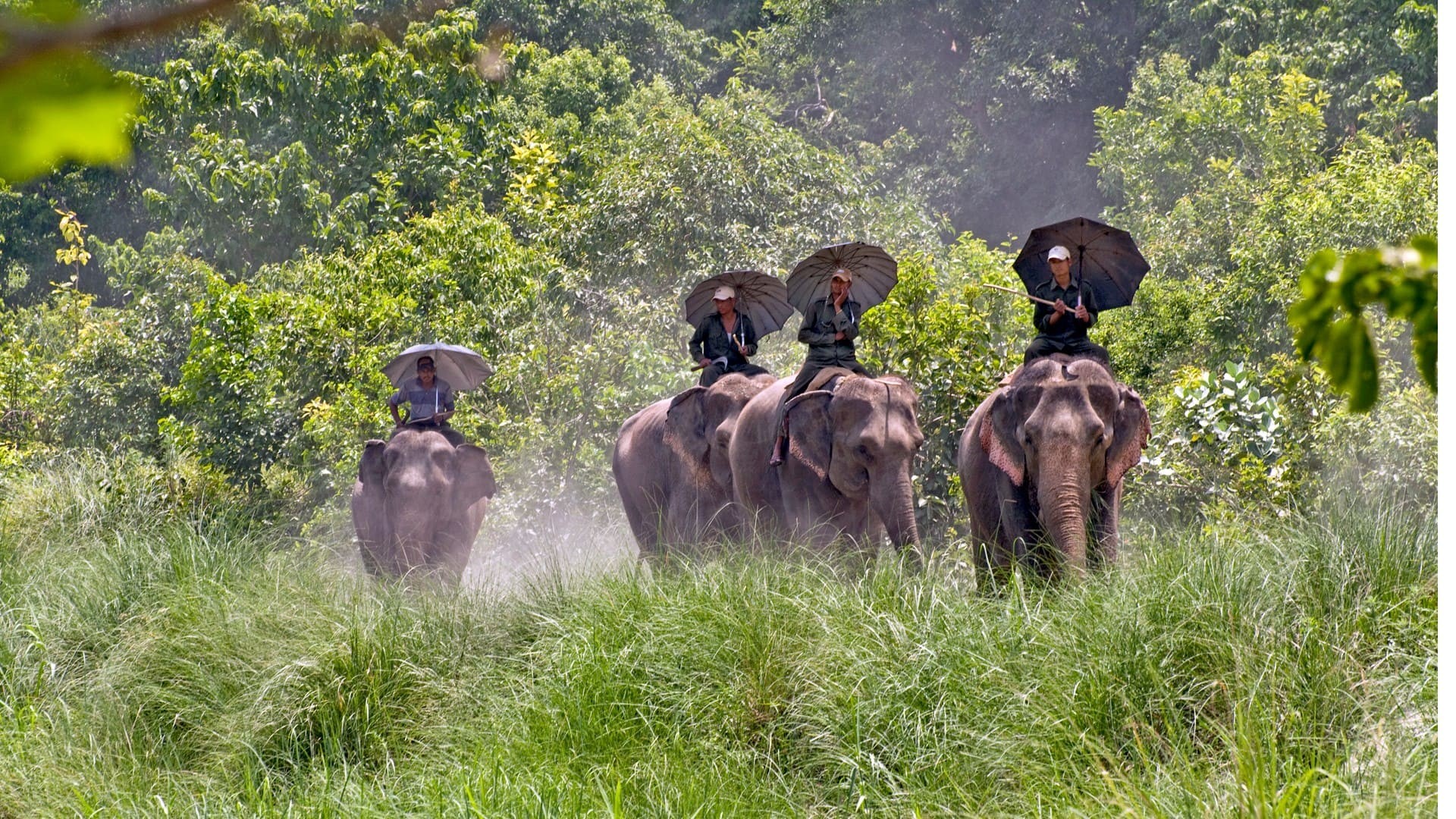
- Unique Experience: A multi-day, guided jungle trek deep into the park’s core area, camping under the stars—an ultimate adventure for wildlife enthusiasts.
- Accessibility: A 1-hour flight from Kathmandu to Nepalgunj, followed by a 2-hour drive.
- Local Culture: The indigenous Tharu people, known for their unique culture, dance, and resilience against malaria.
- Best Time to Visit: October to March.
Tsum Valley: The Valley of Happiness
Hidden Destinations: Walk in the footsteps of Milarepa in a sacred Himalayan valley.
Tucked away in northern Gorkha, Tsum Valley was a culturally isolated region for centuries. Its name translates to “vivid” and it truly lives up to it. The valley is a sacred Buddhist pilgrimage site, dotted with ancient monasteries, mani walls, and chortens. The locals, of Tibetan origin, believe this to be a beyul—a hidden holy land. The trek is challenging but rewards you with unparalleled peace, stunning views of Ganesh Himal, and a deep connection to Tibetan Buddhism.
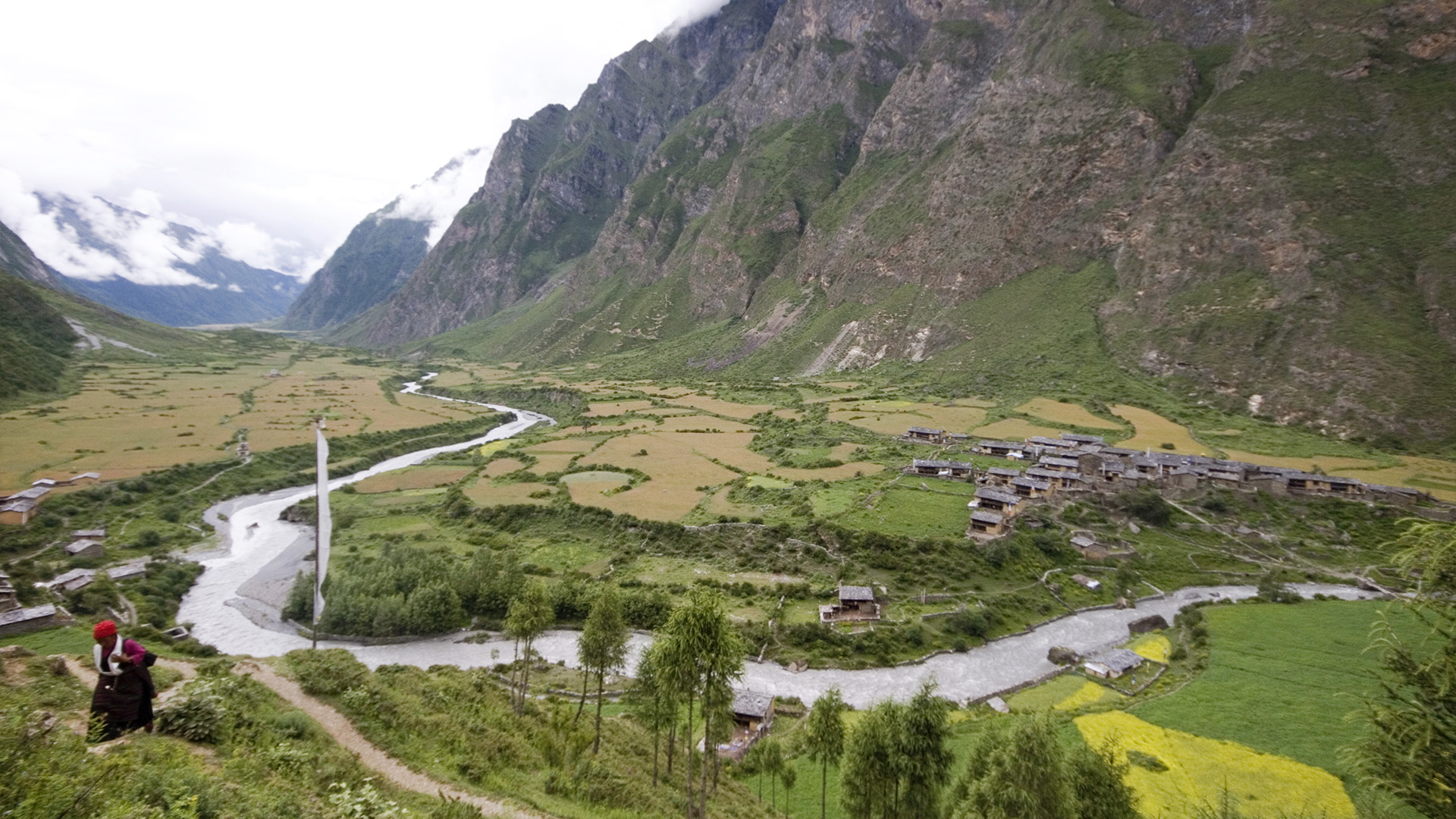
- Unique Experience: Visiting the Milarepa Cave, where the revered Tibetan yogi Milarepa is said to have meditated.
- Accessibility: Requires a special restricted area permit. The trek starts from Arughat (drive from Kathmandu) and takes about 14–18 days.
- Local Culture: Purely Tibetan Buddhist, with a strong emphasis on non-violence and compassion (you won’t see any slaughterhouses here).
- Best Time to Visit: March–May and September–November.
Conclusion
Nepal is a country that keeps on giving, layer after layer, for those willing to look beyond the obvious. These hidden destinations are not just places on a map; they are experiences that will challenge you, change you, and stay with you long after you’ve returned home. So, the next time you plan a trip to the Himalayas, dare to be different. Your greatest adventure awaits where the maps fade and the real stories begin.
Ready to experience Nepal with a local expert?
Hawkseye Travels has spent over 20 years crafting luxury journeys across Nepal, Bhutan, and Tibet — from private Everest treks and helicopter tours to bespoke cultural circuits. Contact us to plan your perfect Himalayan journey.
Also read: Private tours in Nepal | Annapurna Circuit trek guide | Best time to visit Nepal