


The Upper Dolpo Trek is one of Nepal’s most remote and pristine trekking destinations, offering adventurers an extraordinary journey into the heart of the high Himalayas. This trek is renowned for its untouched landscapes, ancient Tibetan culture, and the raw beauty of nature that remains largely untouched by modern tourism. Trekkers exploring Upper Dolpo will experience vast alpine deserts, crystal-clear turquoise lakes, sacred monasteries and the dramatic terrain of the Shey Phoksundo National Park.
One of the trek’s most iconic highlights is Phoksundo Lake, Nepal’s deepest and most spectacular high-altitude lake, surrounded by cliffs and lush forests. Along the route, travelers encounter traditional Tibetan villages such as Ringmo, Chharka, and Dunai, where centuries-old customs, prayer flags, and ancient monasteries reflect the region’s rich Buddhist heritage. The journey also offers a chance to cross challenging high passes like Kanji La (5,280 m), providing panoramic views of snow-capped peaks, deep gorges, and vast valleys.
Upper Dolpo is not only a visual treat but also a haven for wildlife enthusiasts. The area is home to elusive species such as snow leopards, Himalayan blue sheep and ibex, offering a rare glimpse of high-altitude fauna in their natural habitat. The trek is physically demanding, with long walking days at high elevations, making it ideal for experienced trekkers seeking adventure and solitude.
The best seasons for the Upper Dolpo Trek are spring (March to May) and autumn (September to November), when the weather is clear, and the views are at their peak. Special trekking permits, including the Dolpo Restricted Area Permit and ACAP, are required to access this protected region.
The Upper Dolpo Trek promises an once-in-a-lifetime experience for those looking to explore remote Himalayan wilderness, immerse them in Tibetan culture, and witness some of Nepal’s most spectacular natural beauty away from the crowds.
Upper Dolpo attracts many of the same adventurers who have completed the Manaslu Circuit Trek and are looking for a yet more remote challenge in Nepal. For those drawn to restricted areas, the Upper Mustang Trek offers a similarly exclusive high-altitude experience in the ancient kingdom of Lo Manthang, with a strong Tibetan cultural thread running through every stage.
The best time for the Upper Dolpo Trek is during the spring (April to June) and autumn (September to November) seasons. These months offer the most stable weather, clear mountain views, and comfortable trekking conditions in one of Nepal’s most remote Himalayan regions.
Spring (April to June): Spring is one of the most favorable times to explore Upper Dolpo. The weather is warm at lower elevations and pleasant even in higher areas. The trails are filled with blooming wildflowers, and visibility is excellent for viewing snow-capped peaks and high mountain passes.
Autumn (September to November): Autumn brings crisp air, clear skies, and vibrant landscapes after the monsoon rains. It’s the most popular trekking season, offering stunning views of Phoksundo Lake, Shey Gompa, and the surrounding Himalayas. Days are mild, and nights are cool—ideal for camping and photography.
Monsoon (July to August): Unlike other regions of Nepal, Upper Dolpo lies in a rain shadow area of the Dhaulagiri range, so it receives very little rainfall even during the monsoon. Trekkers can still enjoy the region’s dry terrain, colorful valleys, and solitude with fewer crowds.
Winter (December to March): Winter brings heavy snowfall at high passes, making trekking routes difficult and sometimes impassable. However, for those seeking adventure and isolation, lower Dolpo areas remain accessible.
The weather and temperature in Upper Dolpo vary greatly depending on the season and altitude. Located in Nepal’s far-western Himalayas, the region lies in the rain shadow of the Dhaulagiri and Kanjirowa ranges, resulting in a dry, semi-arid climate similar to Tibet.
Spring (April to June): Spring offers mild and pleasant weather, making it one of the best times for trekking. Daytime temperatures range between 10°C to 20°C (50°F–68°F), while nights can drop to around -3°C to 5°C (26°F–41°F) at higher altitudes. The skies are clear, and visibility is excellent for viewing snow-capped peaks and valleys.
Summer/Monsoon (July to August): Although most of Nepal experiences heavy rainfall, Upper Dolpo remains relatively dry due to its location in the rain shadow area. Temperatures are warm, averaging 12°C to 25°C (54°F–77°F) during the day. Occasional light showers may occur, but trails remain accessible and peaceful with fewer trekkers.
Autumn (September to November): Autumn brings stable weather and crisp air, ideal for trekking. Daytime temperatures average 8°C to 18°C (46°F–64°F), with colder nights dropping to -5°C to 0°C (23°F–32°F) at higher camps. The visibility during this season is excellent, offering breathtaking mountain views.
Winter (December to March): Winter in Upper Dolpo is cold and harsh, especially above 4,000 meters. Daytime temperatures range from -5°C to 5°C (23°F–41°F), and nights can plummet below -15°C (5°F). Heavy snowfall often blocks high passes, making trekking difficult but rewarding for those seeking solitude and adventure.
Overall, the best weather conditions for the Upper Dolpo Trek occur in spring and autumn, when temperatures are moderate, skies are clear, and trails are most enjoyable.
The Upper Dolpo Trek takes you through one of Nepal’s most remote regions, where facilities are basic but rewarding in authenticity. Trekkers experience a mix of tea house stays and camping accommodation, depending on the location and availability.
Accommodation:
In the lower sections of the trek—such as Dunai, Chhepka, and Ringmo—simple tea houses or homestays provide basic lodging with twin-sharing rooms, warm blankets, and limited amenities. As you move deeper into Upper Dolpo, tent camping becomes necessary due to the remoteness of villages.
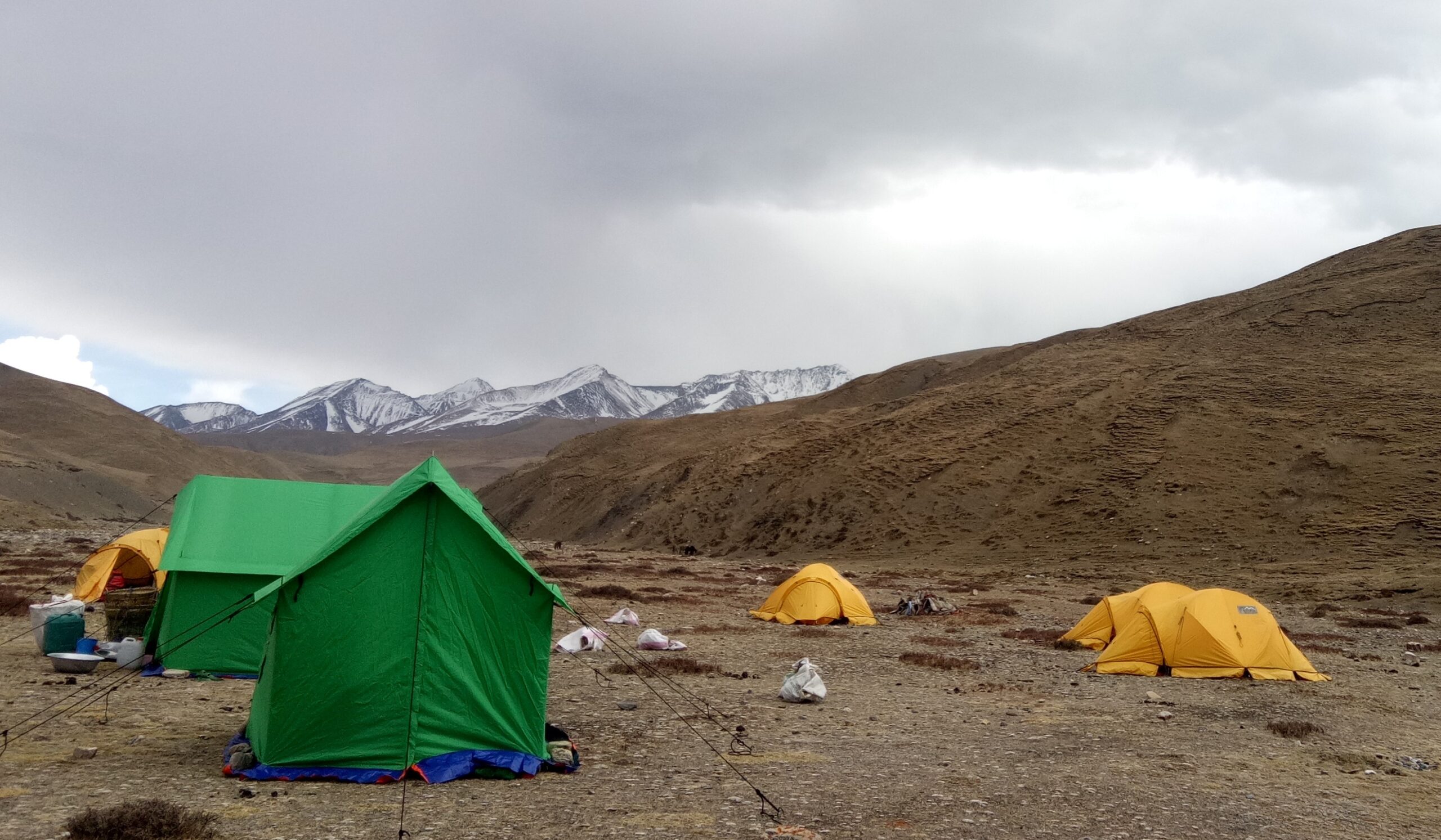
During camping nights, your trekking team sets up comfortable tents, including a dining tent, kitchen tent, and sleeping tents with foam mattresses and sleeping bags. This setup ensures a safe and warm experience even at high altitudes.
Food:
Meals during the trek are freshly prepared by your support crew or served in local tea houses. The menu usually includes Nepali, Tibetan, and simple Western dishes, focusing on nutrition and energy for high-altitude trekking. Common meals include:
In camping treks, your cook and kitchen staff prepare hygienic, balanced meals using local ingredients. Hot drinks like tea, coffee, and soup are served regularly to keep trekkers warm and hydrated.
While facilities in Upper Dolpo are basic compared to popular trekking regions, the hospitality, home-cooked food, and serene environment make the experience deeply authentic and memorable.
Reaching and completing the Upper Dolpo Trek involves a combination of domestic flights and ground transportation, as the region is one of the most remote parts of Nepal with no direct road access.
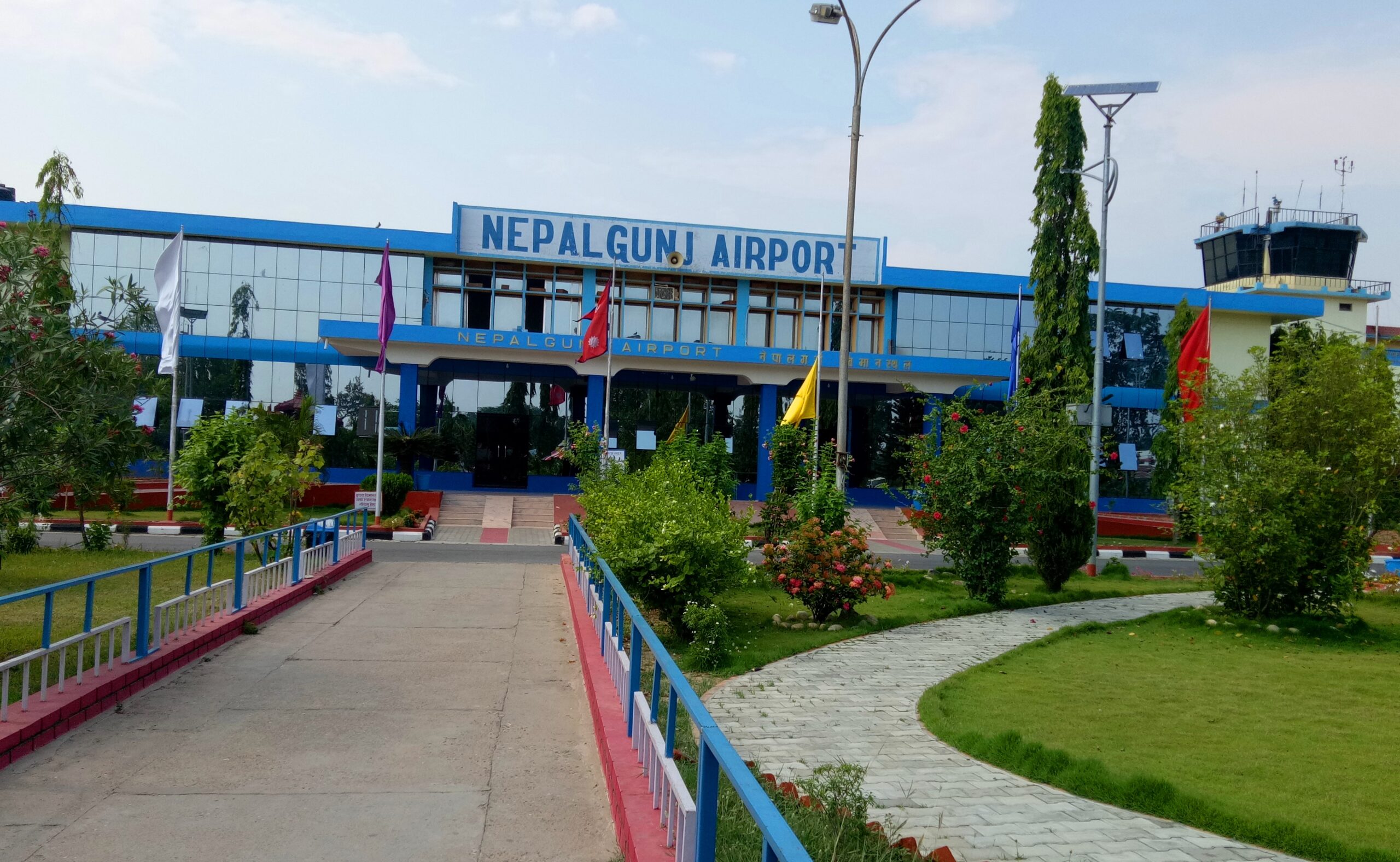
The journey typically begins with a domestic flight from Kathmandu to Nepalgunj, a major city in western Nepal. This short one-hour flight offers scenic views of the Himalayas and the Terai plains. From Nepalgunj, trekkers take another flight to Juphal (2,475 m), the starting point of the Upper Dolpo Trek.
Juphal is a small airstrip surrounded by hills and is the main gateway to both Lower and Upper Dolpo regions. From here, the entire trek is done on foot, passing through isolated valleys, ancient villages, and high mountain passes.
At the end of the trek, you’ll return to Juphal and fly back to Nepalgunj, followed by a connecting flight to Kathmandu. In case of flight delays due to weather (which are common in this remote area), additional travel days are often included in the itinerary.
All airport transfers in Kathmandu and Nepalgunj are arranged by the trekking agency, ensuring smooth logistics throughout the journey.
In summary, transportation for the Upper Dolpo Trek includes:
This combination of flights and trekking makes the Upper Dolpo journey both scenic and adventurous, offering a true off-the-beaten-path Himalayan experience.
The Upper Dolpo region is one of the most remote areas of Nepal, and communication facilities are extremely limited compared to popular trekking routes like Everest or Annapurna. Trekkers should be prepared for minimal or no internet and mobile network coverage throughout most parts of the journey.
Mobile Network:
In the lower areas such as Dunai, Juphal, and Chhepka, Nepal Telecom (NTC) and Ncell networks may occasionally provide weak or intermittent mobile signals. However, as you ascend toward Phoksundo Lake, Shey Gompa, and the Upper Dolpo highlands, the network coverage disappears completely. Your trekking guide will usually carry a satellite phone or walkie-talkie for emergency communication.
Internet Access:
There is no reliable Wi-Fi or mobile data service available along most parts of the Upper Dolpo route. A few tea houses or lodges in lower villages might offer slow satellite-based Wi-Fi for an additional charge, but connections are generally unstable and weather-dependent.
Alternative Communication Options:
For safety and emergency updates, reputable trekking agencies provide satellite communication devices (such as Thuraya or Garmin InReach) to stay in contact with their base in Kathmandu.
Trekkers are advised to inform family and friends in advance about limited connectivity and enjoy the rare opportunity to disconnect from the digital world. The absence of the internet adds to the authentic wilderness experience and allows for deeper connection with the nature, culture, and tranquility of the Dolpo region.
Proper acclimatization is essential on the Upper Dolpo Trek, as trekkers reach high altitudes of up to 5,280 meters (Kanji La Pass). The region’s remote terrain and rugged trails make gradual altitude gain crucial to prevent altitude sickness and ensure a safe, enjoyable journey.
The trek is carefully planned with rest and acclimatization days at strategic points, such as Ringmo, Saldang and Shey Gompa. These stops allow trekkers to adjust to thinner air, reduce fatigue, and explore the local villages and monasteries.
Tips for Acclimatization:
By following a gradual ascent schedule and taking acclimatization seriously, trekkers can safely enjoy the breathtaking landscapes, remote monasteries, and cultural richness of Upper Dolpo while minimizing health risks.
The Upper Dolpo Trek takes you through one of Nepal’s most remote and pristine ecosystems, offering trekkers a rare chance to experience unique Himalayan flora and fauna in their natural habitat.
Flora:
Dolpo’s vegetation varies with altitude, from alpine forests in lower valleys to barren high-altitude deserts. Trekkers will encounter:
Fauna:
The region is home to diverse wildlife, including several rare and endangered species. Wildlife sightings may include:
The Upper Dolpo Trek is not only a journey through stunning landscapes but also a deep dive into ancient Tibetan culture preserved for centuries in one of Nepal’s most remote regions. The trek passes through isolated villages where Buddhist traditions, rituals, and monasteries play a central role in daily life.
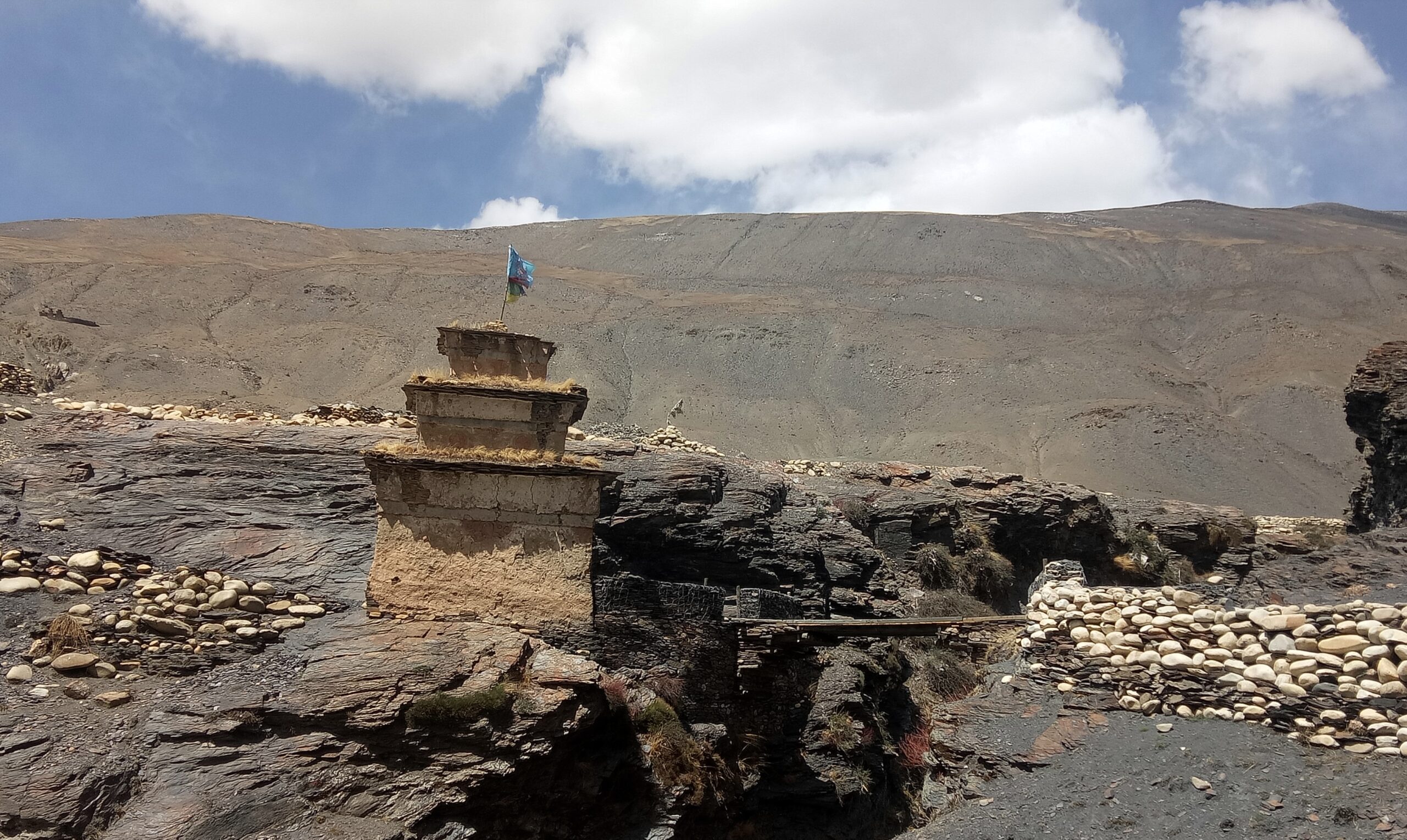
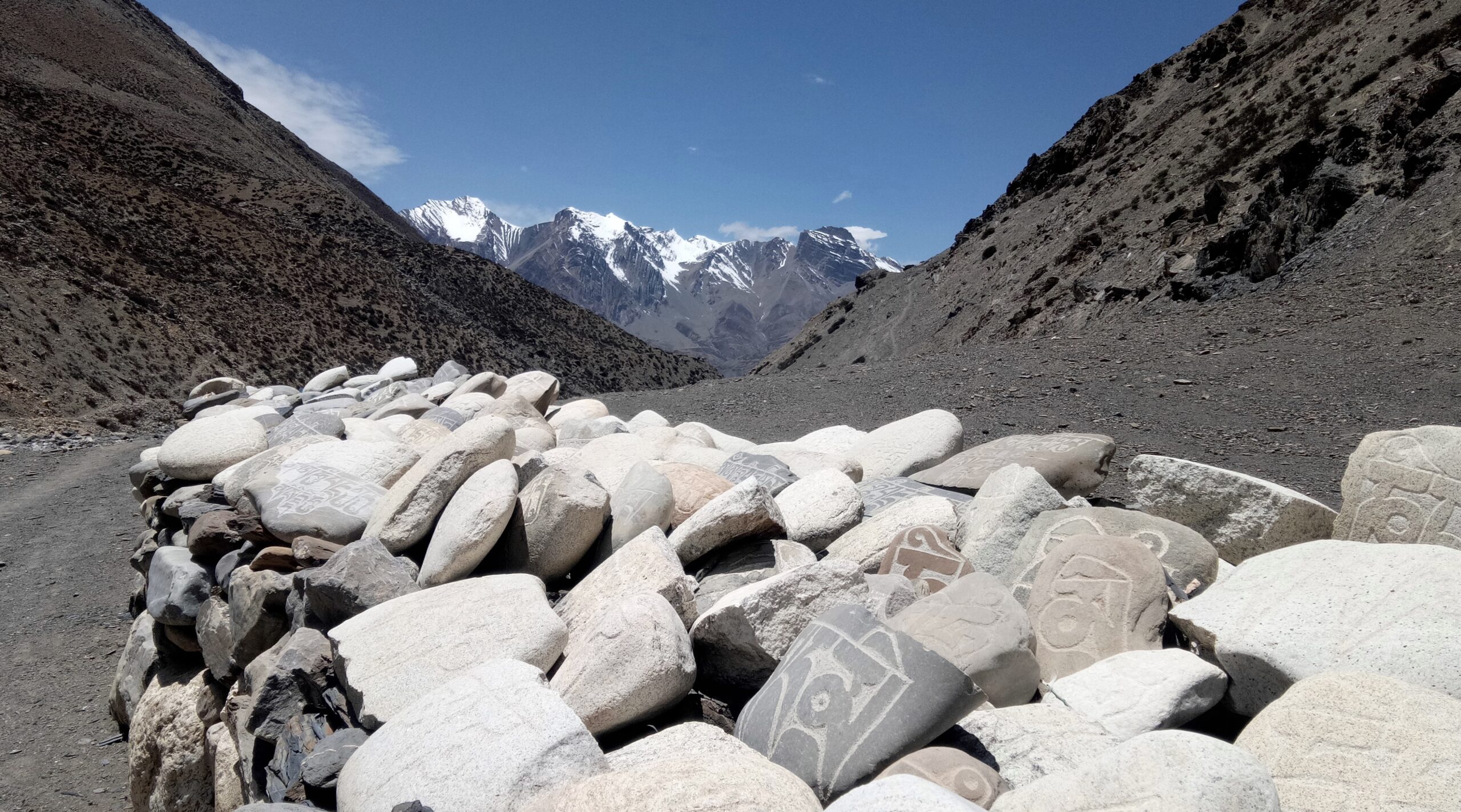
Trekkers encounter villages such as Ringmo, Chharka, Dunai, Saldang, and Shey, where locals practice subsistence farming, herding yaks, and traditional crafts. Prayer flags, mani walls, and sacred stupas are common sights, reflecting the region’s spiritual heritage.
The area is also home to ethnically diverse communities, primarily Tibetan-speaking people, who maintain their unique dialects, clothing styles, and cultural practices. Festivals such as Chhewar or Mani Rimdu are celebrated with vibrant rituals, traditional music, and masked dances, offering trekkers a glimpse into centuries-old customs.
Experiencing this cultural diversity allows travelers to connect with a lifestyle untouched by modern tourism, making the Upper Dolpo Trek a culturally enriching adventure as well as a natural one.
The Upper Dolpo Trek is rich in spiritual heritage, offering trekkers the opportunity to explore ancient Tibetan Buddhist temples and monasteries nestled in remote Himalayan valleys. These sacred sites provide a glimpse into the region’s deep-rooted religious traditions and unique architectural styles.
Key Monasteries and Temples:
Trekkers can witness prayer ceremonies, butter lamps, and traditional festivals, reflecting centuries-old spiritual customs. These monasteries not only serve as centers of faith but also as hubs for cultural preservation, art, and local education.
Visiting these sacred sites adds a cultural and spiritual dimension to the Upper Dolpo Trek, making it a journey that is both adventurous and enlightening.
The Upper Dolpo Trek offers trekkers a rare opportunity to witness the rich traditions and vibrant festivals of one of Nepal’s most remote Himalayan regions. The area is deeply influenced by Tibetan Buddhist culture, which shapes daily life, rituals, and community celebrations.
Villages like Ringmo, Chharka, Saldang, and Shey preserve centuries-old customs, including prayer rituals, mani wall offerings, and butter lamp ceremonies. Locals practice subsistence farming and yak herding, and traditional attire, including colorful robes and jewelry, is commonly worn, reflecting their cultural identity.
Notable Festivals:
These festivals provide trekkers with a unique insight into the spiritual life, social customs, and artistic expressions of Upper Dolpo communities. Experiencing these traditions firsthand adds a cultural depth to the trekking journey, making it not just an adventure in nature but also an immersion into a living Himalayan heritage.
Trekking in the remote and high-altitude region of Upper Dolpo requires proper gear to ensure safety, comfort, and a successful journey. Here’s a recommended list:
Clothing:
Camping & Sleeping Gear:
Personal Items & Essentials:
Optional Items:
Provided by Trekking Agency:
Proper preparation with this trekking equipment list ensures safety, warmth, and comfort during the challenging and remote Upper Dolpo Trek, making your Himalayan adventure more enjoyable.
Restricted Area Permit (RAP) – Upper Dolpo
The Restricted Area Permit (RAP) is a mandatory government-issued permit required to enter Upper Dolpo, one of Nepal’s most remote and culturally rich regions. This permit is essential for protecting the fragile environment, preserving traditional Tibetan Buddhist culture, and safeguarding local villages.
Key Points about the RAP:
Obtaining the RAP not only grants legal access to Upper Dolpo but also supports the conservation of its unique landscapes, sacred monasteries, and traditional villages, allowing trekkers to responsibly explore this pristine Himalayan region.
Nepal
24 Days
Easy to Moderate
Trekking
Kathmandu
Kathmandu
5,280 M (Kanji La Pass)
Normal Tea House/Tent Camp / Hotel
Not included
2 to 10
Spring (March–May) & autumn (September–November)
Restricted Area Permit /Annapurna Conservation Area (ACAP) Permit