Upper Mustang

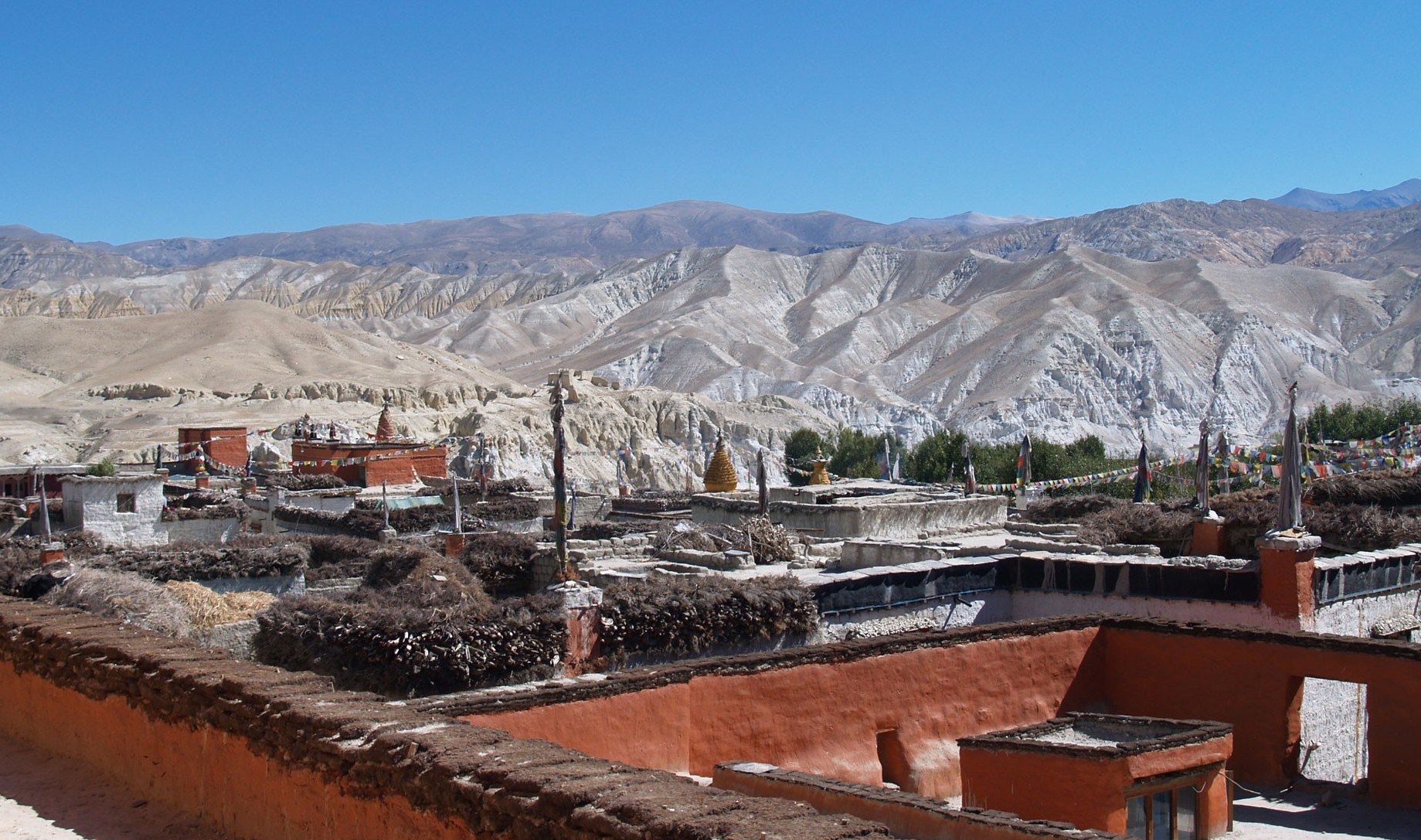
The Upper Mustang Trek is one of Nepal’s most extraordinary and culturally immersive trekking adventures, often described as a journey to the “Last Forbidden Kingdom.” Situated in the trans-Himalayan region of northwestern Nepal, Upper Mustang is a remote and spiritually rich destination that has preserved its ancient traditions and Tibetan-influenced heritage for centuries. Protected by the towering Annapurna and Dhaulagiri ranges, this region lies within a rain-shadow area, resulting in dramatic, desert-like landscapes with colorful cliffs, wind-eroded canyons, and striking rock formations rarely seen elsewhere in Nepal.

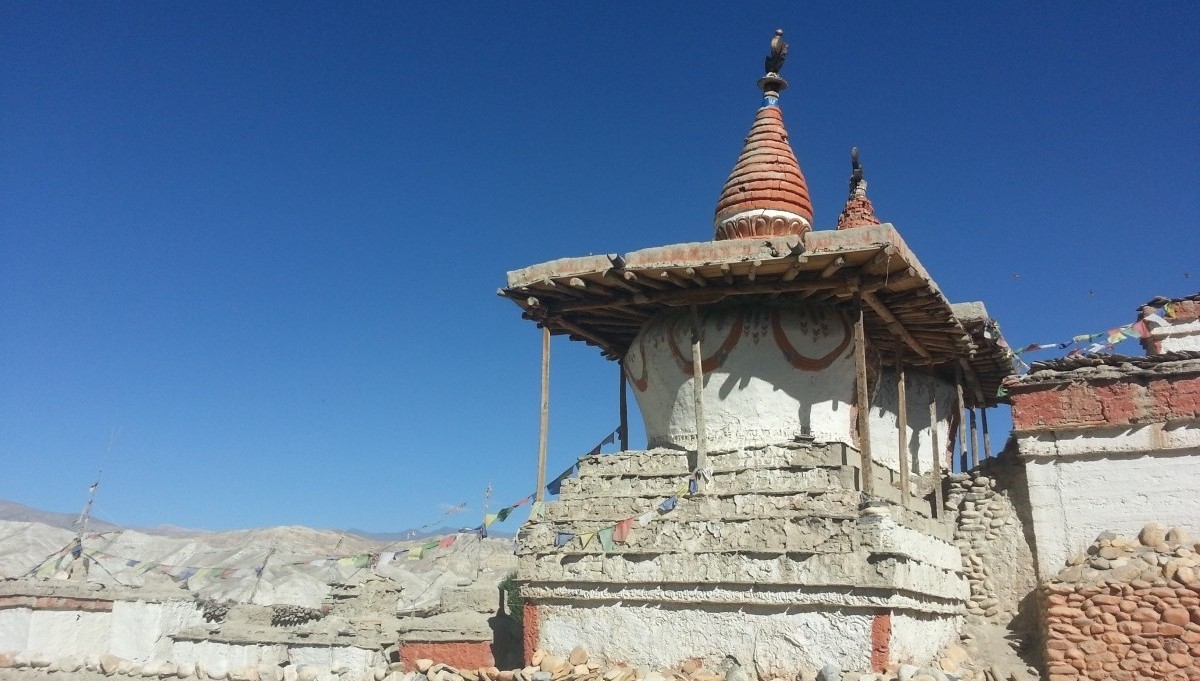
What makes the Upper Mustang Trek truly special is its deep connection to the ancient Tibetan Buddhist culture. Trekkers can explore centuries-old monasteries, sacred meditation caves, chortens, and traditional mud-brick houses that depict the way of life in the former Kingdom of Lo. The walled city of Lo Manthang, once the royal capital, stands as a living museum showcasing royal palaces, ancient temples, and monastic art that tell stories of a forgotten era.

Unlike other trekking regions of Nepal, Upper Mustang offers a unique blend of adventure, culture, and spirituality. The dry terrain, sweeping mountain vistas, and the warm hospitality of the local Lopa people create a deeply meaningful experience. Trekking here feels like stepping back in time, where age-old customs and untouched landscapes come together in perfect harmony.

For travelers seeking an off-the-beaten-path Himalayan adventure, the Upper Mustang Trek promises breathtaking scenery, rich cultural encounters, and a rare glimpse into one of the world’s most preserved Himalayan civilizations — making it a truly once-in-a-lifetime journey for both cultural explorers and nature enthusiasts.

Travelers who want to explore Upper Mustang with more comfort and speed can opt for the Upper Mustang Jeep Tour, covering the same forbidden kingdom by road. For a more adventurous overland experience, the Upper Mustang Motorbike Tour follows the same route on two wheels. Those who enjoy challenging restricted-area treks should also consider the Upper Dolpo Trek, Nepal’s most remote high-altitude circuit.

Trek Highlights:

  • Explore the ancient walled city of Lo Manthang, the former capital of the Kingdom of Mustang.
  • Visit centuries-old Tibetan monasteries such as Thubchen, Jampa, and Chhoser Cave Monastery.
  • Experience the unique trans-Himalayan desert landscape with dramatic cliffs, canyons, and colorful rock formations.
  • Discover the rich Tibetan Buddhist culture preserved for centuries, with traditional villages and local lifestyles unchanged by time.
  • Attend the vibrant Tiji Festival (usually in May), showcasing ancient rituals, mask dances, and local celebrations.
  • Enjoy panoramic mountain views of Nilgiri, Dhaulagiri, and Annapurna ranges throughout the trail.
  • Walk through remote villages like Kagbeni, Ghami, Tsarang, and Samar, each offering unique traditions and architecture.
  • Explore mysterious sky caves and ancient murals depicting Buddhist legends.
  • Trek through a restricted region that was once closed to outsiders, offering an exclusive Himalayan experience.
  • Experience warm Mustangi hospitality and taste authentic local cuisine in traditional tea houses.

Where is Upper Mustang Trek?

The Upper Mustang Trek is located in the northern part of the Mustang District in Gandaki Province, Nepal, bordering Tibet (China). Geographically, it lies in the trans-Himalayan region, north of the Annapurna and Dhaulagiri mountain ranges, making it one of Nepal’s most remote and arid trekking destinations. This region was once part of the ancient Kingdom of Lo, with Lo Manthang serving as its walled capital. Because of its position in the rain shadow of the Himalayas, Upper Mustang enjoys a dry, desert-like climate that’s very different from the lush green hills found in most parts of Nepal. To reach Upper Mustang, trekkers usually take a short flight from Pokhara to Jomsom and then begin their journey northward through Kagbeni, which marks the official entry point to the restricted Upper Mustang region. Its strategic location near the Tibetan Plateau gives it a strong Tibetan cultural influence, visible in its language, architecture, and Buddhist traditions.

Popular Route

Kathmandu → Pokhara → Jomsom (Flight) → Kagbeni → Jomsom → Kagbeni → Chele → Syangboche → Ghami (3,520 m) → Ghami → Tsarang → Manthang (3,810 m) → Lo Manthang → Dhakmar → Kagbeni → Jomsom→ Pokhara → Kathmandu

Detailed Itinerary:

Inclusions:

  • Accommodation in Kathmandu and Pokhara as per the itinerary
  • All necessary trekking permits, including the Restricted Area Permit (Upper Mustang) and Annapurna Conservation Area Permit (ACAP)
  • Domestic flight from Pokhara to Jomsom and return (or by private/shared jeep as per itinerary)
  • Airport transfers in both Kathmandu and Pokhara
  • Accommodation during the trek in comfortable and clean local lodges or teahouses
  • Experienced, licensed trekking guide and necessary support staff/porters
  • All ground transportation as mentioned in the itinerary (private or tourist vehicle)
  • All applicable government taxes and service charges
  • First aid kit and essential safety equipment carried by the trekking guide


Exclusions:

  • International flights to and from Nepal
  • Nepal visa fee (available on arrival at Kathmandu airport)
  • Travel and medical insurance (mandatory for all trekkers)
  • Personal trekking gear and equipment
  • Meals and accommodation in Kathmandu and Pokhara (unless specified)
  • Alcoholic beverages, soft drinks, and bottled water during the trek
  • Tips for guides, porters, and drivers (optional but appreciated)
  • Extra expenses due to unforeseen events (flight delays, bad weather, or personal reasons)
  • Additional activities or sightseeing not mentioned in the itinerary


Book your Upper Mustang Trek

Best time for the Upper Mustang Trek

Best Time for the Upper Mustang Trek

The best time for the Upper Mustang Trek is from March to November, as the region lies in the rain shadow of the Himalayas, making it one of the few treks in Nepal that can be done even during the monsoon season.

Spring (March to May):

This is one of the most beautiful times to trek. The weather is stable, skies are clear, and the temperature is pleasant. The landscapes are vibrant, and trekkers can witness the colorful Tiji Festival in Lo Manthang, usually held in May, showcasing Mustang’s rich cultural heritage.

Summer/Monsoon (June to August):

While other regions in Nepal experience heavy rain, Upper Mustang remains mostly dry due to its trans-Himalayan location. This makes it a perfect summer trek, with fewer crowds and stunning desert scenery under bright blue skies.

Autumn (September to November):

Another ideal season with crystal-clear mountain views, mild temperatures, and comfortable trekking conditions. The trails are dry and the visibility excellent, offering breathtaking views of Nilgiri, Annapurna, and Dhaulagiri ranges.

Winter (December to February) is less recommended as temperatures drop significantly, and many locals migrate to lower regions. However, for those seeking solitude and adventure, it can still be a rewarding experience with proper preparation.

Weather and Temperature on the Upper Mustang Trek

The Upper Mustang region lies in the rain shadow of the Himalayas, resulting in a dry and semi-arid climate with very little rainfall throughout the year. Its weather is quite different from other trekking areas in Nepal, offering clear skies and stable conditions even during the monsoon months. However, temperatures can vary greatly between day and night due to the region’s high altitude and desert environment.

Spring (March to May):

  • Days are warm and pleasant with clear skies, making it one of the best times for trekking.
  • Temperature: 10°C to 20°C during the day; drops to 0°C to 5°C at night.

Summer/Monsoon (June to August):

  • The Upper Mustang remains dry despite Nepal’s monsoon season. Expect windy afternoons and bright, sunny days.
  • Temperature: 13°C to 22°C during the day; around 5°C to 10°C at night.

Autumn (September to November):

  • Clear weather, stable temperatures, and excellent visibility make autumn ideal for trekking.
  • Temperature: 8°C to 18°C during the day; falls to 0°C or below at night.

Winter (December to February):

  • Cold and harsh conditions with occasional snow at higher elevations. Many teahouses may close during this season.
  • Temperature: -10°C to 10°C during the day; can drop to -15°C or lower at night.

Food and Accommodation on the Upper Mustang Trek

Food and Accommodation on the Upper Mustang Trek

During the Upper Mustang Trek, trekkers can expect a combination of traditional hospitality, simple comfort, and authentic Himalayan cuisine. Although the region is remote, the teahouses and lodges along the route offer clean, cozy accommodations and a variety of freshly prepared meals.

Food on the Trek:

Teahouses serve both local Nepali and Tibetan-inspired dishes as well as some Western options. The most common meal is the traditional Dal Bhat — steamed rice served with lentil soup, vegetables, and pickles — a staple that provides energy for long trekking days.

You can also enjoy:

  • Tibetan bread, pancakes, and porridge for breakfast
  • Noodles, pasta, fried rice, or momo (dumplings) for lunch or dinner
  • Herbal tea, butter tea, coffee, and hot lemon to stay warm and hydrated

As you move higher, food variety becomes limited due to the remote location, but the meals are freshly made and hygienic. It’s recommended to avoid meat dishes in high areas since meat is often transported from lower regions without refrigeration.

Accommodation on the Trek:

Accommodation in Upper Mustang primarily consists of local teahouses or guesthouses run by welcoming Mustangi families. Rooms are typically basic but clean, featuring twin beds, warm blankets, and shared bathrooms. In Lo Manthang and larger villages, a few upgraded lodges offer slightly better facilities, such as private rooms and attached bathrooms.

Most teahouses also provide dining areas with wood stoves, offering a cozy atmosphere where trekkers can relax and enjoy their meals. While comfort levels are modest, the warmth of the people and the unique cultural setting make staying in Upper Mustang a truly memorable part of the journey.

Transportation for the Upper Mustang Trek

Transportation plays a key role in making the Upper Mustang Trek accessible, as the region is remote and located in the trans-Himalayan area of Nepal. Most trekkers combine flights, road travel, and local trekking to reach Upper Mustang.

Flight Option:

  • The most common and time-efficient way to start the trek is by taking a domestic flight from Pokhara to Jomsom, which offers spectacular aerial views of the Annapurna and Dhaulagiri ranges.
  • Return flights from Jomsom to Pokhara are also available, saving several days compared to road travel.

Road Option:

  • For travelers preferring road travel, it is possible to drive from Kathmandu to Pokhara by tourist bus, which takes approximately 6–8 hours depending on traffic and road conditions.
  • After the trek, return transportation from Pokhara to Kathmandu by tourist bus is available, offering scenic views of the Prithvi Highway, rivers, and hills along the route.

Trekking Route:

  • From Jomsom or Kagbeni, the journey continues on foot through the Upper Mustang trail, as motorized vehicles are restricted beyond Kagbeni in the Upper Mustang region.
  • Local jeeps or mules may be used to carry luggage for trekkers in certain sections, but most of the route is accessible only by trekking on foot.

This combination of bus, flight, and trekking makes the Upper Mustang Trek both accessible and adventurous, while allowing trekkers to enjoy the full beauty and culture of this “Last Forbidden Kingdom.”

Internet and Mobile Network on the Upper Mustang Trek

The Upper Mustang region is remote and has limited connectivity, so trekkers should plan accordingly.

Mobile Network:

  • Kagbeni, Chele, Ghami, Tsarang, and Lo Manthang have partial mobile coverage provided by Nepal Telecom (NTC) and Ncell.
  • Signal strength is generally weak and intermittent, especially in valleys or behind cliffs.
  • Local SIM cards from Nepal Telecom or Ncell work best, but roaming or international SIM cards may not function reliably.

Internet Access:

  • Internet is available in larger villages and some lodges, primarily via Wi-Fi or 4G hotspots, but speeds can be slow and unstable.
  • Lo Manthang and a few other villages offer basic Wi-Fi, usually free or with a small charge.
  • High-altitude areas and remote trails have no internet, making it a good opportunity to disconnect and enjoy the natural surroundings.

Tips for Connectivity:

  • Download offline maps, guides, and entertainment before starting the trek.
  • Inform family and friends of limited communication options during the trek.
  • Consider carrying a power bank or solar charger, as electricity may be limited in remote lodges.

Overall, while the Upper Mustang Trek offers some connectivity, it is mostly a digital-free experience, allowing trekkers to fully immerse in the breathtaking landscapes and ancient culture.

Acclimatization during the Upper Mustang Trek

Proper acclimatization is essential for a safe and enjoyable Upper Mustang Trek, as the trail reaches a maximum altitude of 3,810 meters (Lo Manthang). Although Upper Mustang is considered a moderate-altitude trek, altitude sickness can still affect some trekkers, especially if they ascend too quickly.

Tips for Safe Acclimatization:

Gradual Ascent:

  • The trek is planned with incremental elevation gains, allowing your body to adjust naturally to higher altitudes.
  • Typical trekking days increase altitude by 300–500 meters, which reduces the risk of altitude sickness.

Rest Days:

  • Spend a full day in Lo Manthang to explore the walled city, monasteries, and nearby villages while allowing your body to acclimatize.

Hydration:

  • Drink plenty of water (3–4 liters per day) to prevent dehydration, which can worsen altitude sickness.
  • Avoid excessive alcohol or caffeine during the trek.

Listen to Your Body:

  • If you experience headache, nausea, dizziness, or fatigue, take a rest day or descend slightly until symptoms improve.
  • Do not ignore early signs of altitude sickness.

Healthy Diet:

  • Eat light, high-carbohydrate meals to maintain energy and aid acclimatization.

Medication (Optional):

  • Some trekkers carry Diamox (acetazolamide) after consulting a doctor, which can help prevent altitude sickness.

By following a gradual ascent plan, taking rest days, and staying well-hydrated, most trekkers adjust comfortably to the altitude, ensuring a safe and memorable Upper Mustang trekking experience.

Flora and Fauna on the Upper Mustang Trek

The Upper Mustang region is located in the trans-Himalayan rain shadow, giving it a unique semi-arid desert environment that is very different from the lush forests of central and eastern Nepal. Despite the harsh landscape, the region supports fascinating flora and fauna, adapted to its dry, high-altitude conditions.

Flora:

  • The lower Mustang valleys feature scrublands, juniper shrubs and dry grasses.
  • You’ll find rhododendron, acacia, and pine trees in the lower hills and riverbanks.
  • Higher elevations are mostly rocky terrain with sparse vegetation, including medicinal herbs traditionally used by locals.
  • Small patches of barley, buckwheat, and potato fields can be seen near villages, reflecting traditional Mustangi agriculture.

Fauna:

  • Upper Mustang is home to Tibetan wolves, snow leopards, and Himalayan foxes, though these are rarely seen.
  • Birdwatchers may spot Himalayan griffon vultures, lammergeiers, and snow pigeons soaring above the cliffs.
  • Domestic animals, including yaks, mules, and goats, are common near villages and trekking routes.
  • The region also hosts wild deer and Himalayan marmots in open valleys.

The combination of barren cliffs, high desert plains, and cultivated fields creates a unique ecosystem where wildlife and vegetation thrive in one of Nepal’s most remote and pristine regions.

Cultural Diversity along the Upper Mustang Trek

Cultural Diversity along the Upper Mustang Trek

The Upper Mustang Trek is not only a journey through breathtaking landscapes but also a deep dive into a unique and well-preserved Tibetan Buddhist culture. Often called the “Last Forbidden Kingdom,” Mustang was restricted to foreigners until 1992, allowing its traditions, lifestyle, and architecture to remain largely unchanged.

Key Cultural Highlights:

  • Lo Manthang: The walled capital is the heart of Mustang’s culture, featuring royal palaces, ancient monasteries, and traditional mud-brick houses. The city is a living museum of Tibetan heritage.
  • Monasteries and Chortens: Trekkers can visit centuries-old monasteries such as Thubchen, Jampa, and Chhoser, adorned with ancient murals and religious artifacts.
  • Traditional Festivals: Witness vibrant festivals like the Tiji Festival in May, where locals perform masked dances symbolizing the victory of good over evil.
  • Local Villages: Villages like Kagbeni, Ghami, Tsarang, and Samar showcase the Mustangi way of life, including traditional farming, weaving, and local handicrafts.
  • Language and Religion: The people predominantly speak Tibetan dialects and practice Buddhism, with prayer flags, mani walls, and stupas visible along the trails.
  • Hospitality: Mustangi families are known for their warm hospitality, often inviting trekkers for tea and meals while sharing stories of their heritage.

The trek offers a rare opportunity to experience authentic Tibetan culture in its natural setting, making the Upper Mustang journey both a spiritual and cultural adventure in addition to its scenic and adventurous appeal.

Temples and Monasteries on the Upper Mustang Trek

The Upper Mustang region is rich in Tibetan Buddhist heritage, with numerous ancient monasteries, temples, and chortens scattered along the trail. These religious sites reflect the spiritual traditions of the former Kingdom of Lo and offer trekkers a unique glimpse into centuries-old rituals and art.

Key Temples and Monasteries:

  1. Lo Manthang Monasteries:
  • Thubchen Gompa: One of the oldest and largest monasteries in Lo Manthang, built in the 15th century, known for its intricate murals and statues.
  • Jampa Gompa: Houses important Buddhist relics and is central to local religious ceremonies.
  • Chyodey Gompa: Smaller monastery near Lo Manthang, often used for meditation and prayer.

Chhoser Monastery and Cave Temples:

  • Chhoser Cave Monastery: Famous for its ancient caves carved into cliffs, used for meditation and religious practices by monks over centuries.
  • The caves also contain murals depicting Buddhist teachings, making them a spiritual and artistic highlight.

Village Temples:

  • Villages like Kagbeni, Ghami, and Tsarang have smaller temples and stupas, where locals perform daily prayers and rituals.
  • Mani walls (stone walls inscribed with Buddhist prayers) and prayer flags are common throughout the region, adding to the sacred atmosphere of the trek.

Trekkers on the Upper Mustang Trail can explore these religious sites, observe traditional ceremonies, and experience the deep spiritual essence of Tibetan Buddhism, all set against the backdrop of dramatic Himalayan landscapes.

Traditions and Festivals on the Upper Mustang Trek

The Upper Mustang region is a treasure trove of Tibetan Buddhist traditions and vibrant local festivals, preserved for centuries due to its historical isolation. The people of Mustang follow ancient customs, maintaining a lifestyle that blends spirituality, agriculture, and community celebrations.

Key Traditions:

  • Buddhist Rituals: Daily prayers, offerings at monasteries, and lighting butter lamps are common practices observed in villages and monasteries along the trail.
  • Prayer Flags and Mani Walls: Colorful prayer flags and stone walls engraved with Buddhist mantras are seen everywhere, reflecting the spiritual beliefs of the Mustang people.
  • Traditional Attire: Locals wear Tibetan-style clothing, including long robes (chubas), woolen hats, and aprons for women, especially during festivals and religious ceremonies.
  • Local Handicrafts: Mustangi villagers produce traditional thangkas (Buddhist paintings), woven fabrics, and metalwork, showcasing their artistic heritage.

Famous Festivals:

  • Tiji Festival (May): The most celebrated festival in Upper Mustang, held in Lo Manthang, symbolizes the victory of good over evil. Locals perform masked dances, ritual ceremonies, and prayers that attract both pilgrims and trekkers.
  • Chhode Festival: Celebrated in some villages to honor the local deities, featuring traditional music, dances, and offerings.
  • Lo Monthang New Year: Marked with prayers, communal gatherings, and cultural performances, reflecting the region’s agricultural and spiritual traditions.

Trekking through Upper Mustang during these festivals offers a rare opportunity to witness authentic Himalayan culture, blending spiritual devotion, colorful rituals, and centuries-old traditions in one of Nepal’s most remote regions.

Equipment List: Upper Mustang Trek

A well-prepared packing list ensures a safe, comfortable, and enjoyable trek in the Upper Mustang region, where weather can be unpredictable, and facilities are basic.

Clothing

  • Insulated down jacket (lightweight and warm)
  • Fleece or soft-shell jacket for layering
  • Waterproof and windproof jacket and trekking pants
  • Thermal base layers (top and bottom)
  • Trekking pants and shorts
  • Moisture-wicking t-shirts and long-sleeve shirts
  • Gloves: inner thermal gloves and outer waterproof gloves
  • Warm hat/beanie and balaclava for cold mornings/evenings
  • Sun hat or cap for daytime trekking
  • Socks: thermal and trekking socks
  • Sleepwear: lightweight and warm

Footwear

  • Trekking boots (waterproof, broken-in)
  • Comfortable camp shoes or sandals for evenings

Backpack and Gear

  • Daypack (20–30 L) for daily essentials
  • Trekking poles (optional but recommended)
  • Sleeping bag (3-season, lightweight)
  • Water bottles or hydration system (at least 2–3 L)
  • Headlamp or flashlight with extra batteries
  • Sunglasses with UV protection
  • Sunscreen and lip balm (high SPF)

Personal Items

  • Personal toiletries and quick-dry towel
  • Hand sanitizer and wet wipes
  • Medications and personal first-aid items
  • Snacks (energy bars, nuts, chocolates)

Optional Items

  • Camera with extra batteries or power bank
  • Travel adapter for charging electronics
  • Notebook or trekking journal
  • Lightweight gaiters for dust or snow

Restricted Area Permit (RAP) – Upper Mustang

The Restricted Area Permit (RAP) is a mandatory government-issued permit required to enter Upper Mustang, one of Nepal’s most remote and culturally significant regions. This permit plays a crucial role in protecting the fragile environment, preserving the unique Tibetan Buddhist culture, and safeguarding the heritage of the walled city of Lo Manthang and surrounding villages.

Key Points About the RAP:

  • Who Needs It: All foreign trekkers visiting Upper Mustang must obtain the RAP. Independent travelers cannot enter without this permit.
  • Solo Trekking Restriction: A single person cannot obtain the RAP independently. The Nepal government mandates that trekkers travel in a group of at least two people, accompanied by a licensed guide, to ensure safety and proper management of the region.
  • Cost: The fee varies depending on the nationality of the trekker and the duration of stay in Upper Mustang.
  • Validity: Typically issued for the entire duration of the trek within the restricted region.
  • How to Obtain: The RAP must be processed through licensed trekking agencies in Nepal; independent applications by solo travelers are not permitted.

Obtaining the RAP not only grants legal access to Upper Mustang but also supports the conservation of its unique landscapes, monasteries, and traditional villages, allowing trekkers to responsibly explore this “Last Forbidden Kingdom”.

Frequently asked questions (FAQ) - Upper Mustang Trek

Important Notes for Upper Mustang Trek

Trip at a Glance

Destination

Nepal

Duration

17 Days

Trip Grade

Easy to Moderate

Activity

Trekking

Starts at

Kathmandu

Ends at

Kathmandu

Max. Altitude

3,810 (Lo Manthang)

Accomodation

Hotel/Tea House

Meals

Not included

Group Size

2 to 10

Best Season

Spring (March–May) & autumn (September–November)

Permits

Restricted Area Permit (RAP)/Upper Mustang /Annapurna Conservation Area (ACAP)/MCAP/Permit

Starting From:

US$ 1680

Speak to an expert