
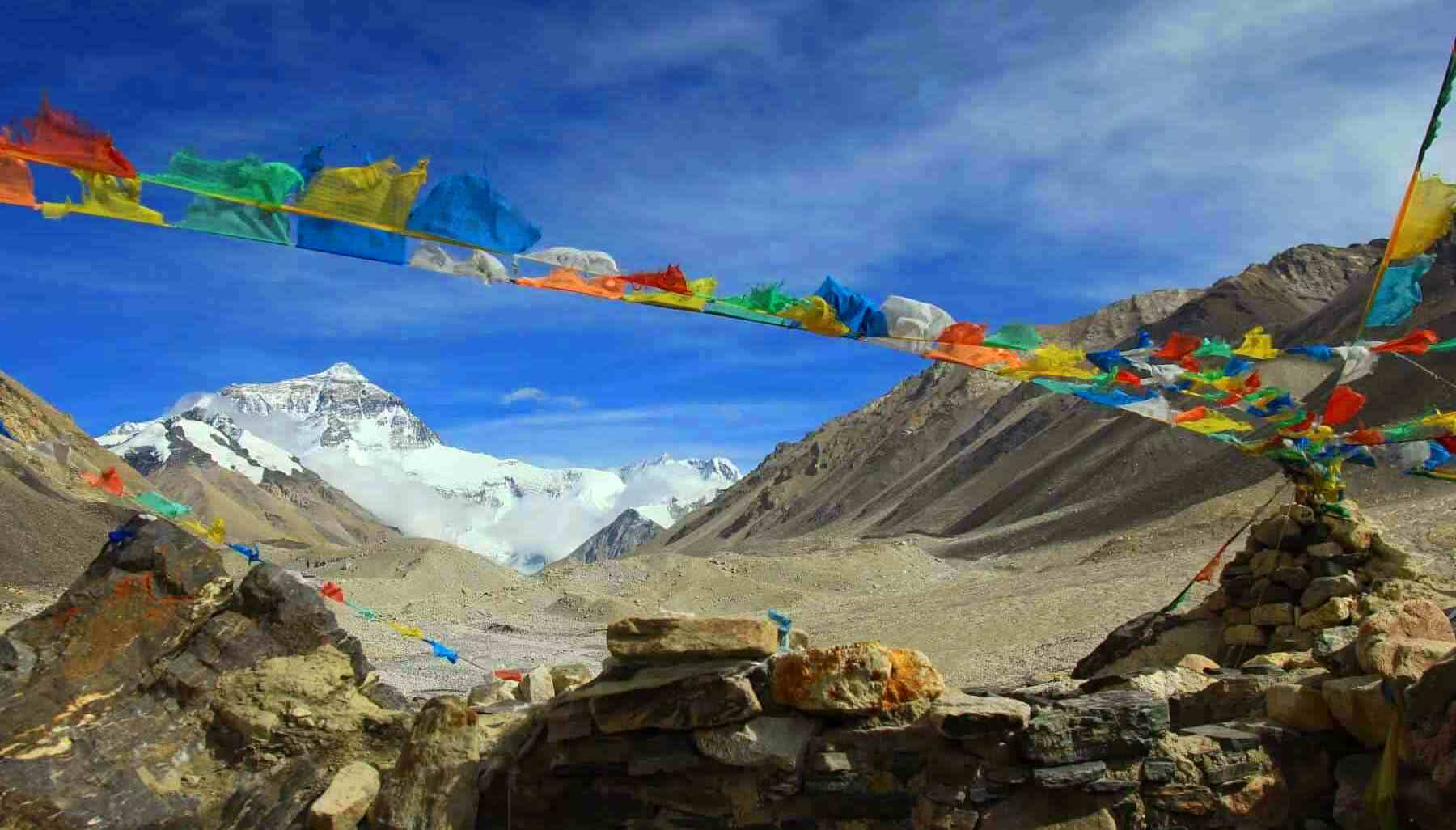
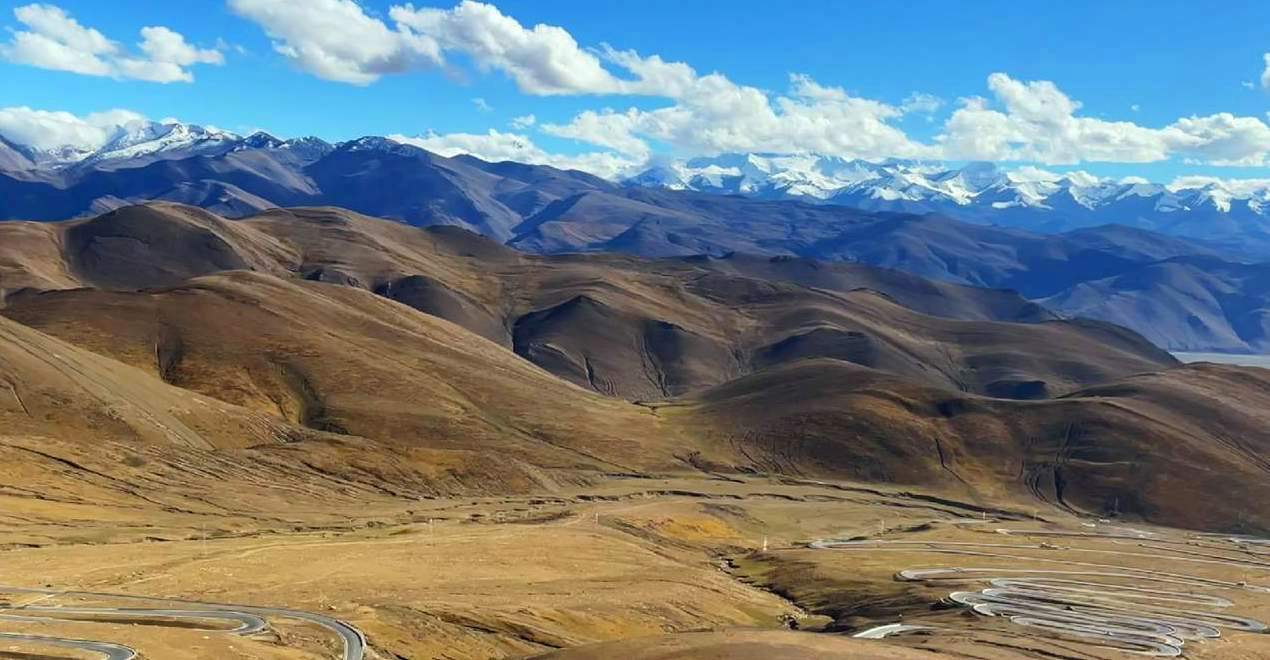
The Overland Tour from Kathmandu to Lhasa is one of the most scenic and culturally rich journeys in the Himalayas. Lhasa, located at an altitude of 3,650 meters in the heart of the Tibetan Plateau, has been the spiritual and administrative capital of Tibet since the 17th century. Often referred to as the “Sunlit City,” it is among the highest cities in the world and a dream destination for those seeking a blend of adventure, history and spirituality.
Lhasa is home to some of the most significant cultural and religious landmarks in Tibet. The magnificent Potala Palace, once the residence of the Dalai Lama, dominates the city skyline and stands as a symbol of Tibetan identity. The sacred Jokhang Temple, considered the spiritual heart of Tibet, attracts pilgrims from across the Himalayan region. Other highlights include the Drepung Monastery and Sera Monastery, both important centers of Buddhist learning and monastic life. For a more immersive experience, a walk through Barkhor Bazaar introduces travelers to the vibrant local lifestyle, traditional crafts, and bustling market atmosphere.
What makes this overland journey truly special is not only the destination but also the route itself. Traveling from Kathmandu, adventurers cross dramatic landscapes of Nepal and Tibet—ranging from lush valleys to rugged high-altitude terrain—before arriving in the holy city of Lhasa. The journey offers breathtaking mountain views, encounters with nomadic culture and countless opportunities to experience the vastness of the Tibetan Plateau.
The overland Kathmandu to Lhasa tour is more than just a trip—it is a journey into a land of spirituality, mystery and stunning natural beauty. With its ancient monasteries, rich Buddhist traditions, and awe-inspiring Himalayan backdrop, Lhasa promises an unforgettable experience for travelers seeking both adventure and cultural discovery.
This overland route is a natural companion to the Best of Bhutan Tour for travelers exploring the Buddhist kingdoms of the Himalayas. Those interested in remote restricted-area trekking with a Tibetan cultural connection should also look at the Upper Mustang Trek, which follows ancient trade routes into Lo Manthang, a former Tibetan kingdom within Nepal.
The best time to travel from Kathmandu to Lhasa is during spring (April–May) and autumn (September–October). These months offer the most favorable weather conditions, making sightseeing and high-altitude travel comfortable and enjoyable.
Spring (April–May): During spring, the weather is mild, and the Tibetan Plateau begins to bloom with colorful flowers. Skies are generally clear, providing excellent visibility of the Himalayan peaks, including Mount Everest. This season is perfect for photography, trekking, and exploring Lhasa and surrounding monasteries.
Autumn (September–October): Autumn brings crisp, clear skies and stable weather conditions. The post-monsoon period ensures stunning mountain views and vibrant landscapes, making it one of the most popular times for overland travelers. Cultural festivals and local events also add a unique touch to your journey during this season.
Traveling in these months minimizes weather-related challenges, such as heavy rains or extreme cold, allowing you to fully enjoy the scenic overland route, immerse yourself in Tibetan culture, and explore sacred sites like Potala Palace, Jokhang Temple and Ganden Monastery without discomfort.
The Kathmandu to Lhasa Overland Tour passes through diverse landscapes, from the subtropical valleys of Nepal to the high-altitude Tibetan Plateau. Understanding the weather and temperature along the route is essential for a comfortable and enjoyable journey.
Spring (April–May): Daytime temperatures in Lhasa range from 15°C to 20°C (59°F–68°F), while nights can drop to around 2°C–5°C (36°F–41°F). The weather is generally mild and sunny, with clear skies offering spectacular views of the Himalayas.
Autumn (September–October): Days are crisp and pleasant, averaging 14°C–18°C (57°F–64°F), with cooler nights around 1°C–4°C (34°F–39°F). The post-monsoon skies are clear, providing excellent visibility of snow-capped peaks.
Winter (November–February): Temperatures can drop significantly, especially at night, often falling below -5°C (23°F) in Lhasa. Daytime temperatures range from 5°C to 10°C (41°F–50°F). While there are fewer tourists, travel can be challenging due to cold and occasional snowfall.
Summer / Monsoon (June–August): The route experiences occasional rainfall, especially in the lower regions near Nepal. Temperatures are warmer, ranging from 18°C–25°C (64°F–77°F) in the day, but the monsoon can affect road conditions and visibility.
Accommodation: During the Kathmandu to Lhasa Overland Tour, travelers stay in comfortable 3 or 4 Star hotels and resorts, selected for convenience, safety, and quality service. In Kathmandu, hotels are located in central areas, providing easy access to local markets, cultural sites, and restaurants. In Lhasa, hotels offer modern amenities while reflecting traditional Tibetan architecture and style. All accommodations are on a twin-sharing basis, ensuring a relaxing stay after long days of sightseeing and travel.
Food: Meals are mainly self-arranged or at hotel restaurants, allowing travelers to explore a variety of local and international cuisine. In Kathmandu, options include traditional Nepali dishes such as dal bhat (lentil soup with rice), momo (dumplings), and thukpa (noodle soup). In Lhasa, guests can experience authentic Tibetan cuisine, including tsampa (roasted barley flour), yak meat dishes, butter tea, and noodle soups.
While breakfast is typically included at the hotels, lunch and dinner are not included, giving travelers the freedom to try local eateries or enjoy meals at hotel restaurants. Vegetarian and dietary-specific options are widely available, but it is recommended to inform your guide in advance to ensure your preferences are met.
Tips for Dining in Tibet:
With comfortable accommodation and diverse food options, the tour ensures both relaxation and cultural immersion throughout the journey.
The Kathmandu to Lhasa Overland Tour combines comfortable flights and road travel, allowing travelers to experience both convenience and scenic Himalayan landscapes.
Flights: The journey typically begins with a domestic flight from Kathmandu to Lhasa, crossing some of the highest Himalayan ranges in the world. The flight offers stunning aerial views of iconic peaks, including Mount Everest, and ensures a quick and safe transfer to Tibet.
Local Transportation in Tibet: Once in Lhasa, all sightseeing and excursions are conducted in private, comfortable vehicles with experienced drivers. Vehicles are chosen to handle high-altitude roads and provide a smooth journey between Lhasa, monasteries, and surrounding attractions such as Ganden Monastery.
Staying connected during the Kathmandu to Lhasa Overland Tour is possible, though coverage and speed can vary depending on location.
In Kathmandu:
In Lhasa and Major Towns:
In Remote Areas:
Tips for Staying Connected:
While connectivity may be patchy outside of major towns, the tour provides an opportunity to disconnect from technology and immerse yourself in the spiritual and cultural wonders of Tibet.
Acclimatization on the Overland Tour from Kathmandu to Lhasa
The Kathmandu to Lhasa Overland Tour takes you across high-altitude terrain, with Lhasa itself located at an elevation of 3,650 meters. Proper acclimatization is essential to ensure a safe and enjoyable journey.
Why Acclimatization is Important:
How the Tour Helps Acclimatization:
Tips for Better Acclimatization:
With careful planning, proper rest, and following simple precautions, most travelers acclimatize smoothly and can fully enjoy the breathtaking scenery and spiritual highlights of Tibet.
The journey from Kathmandu to Lhasa offers travelers a chance to witness the unique flora and fauna of the Himalayan region and the high-altitude Tibetan Plateau.
Flora:
Fauna:
The combination of high mountain passes, valleys, and plateaus creates a diverse ecological experience, allowing travelers to appreciate both the natural beauty and the resilience of life in this extreme environment.
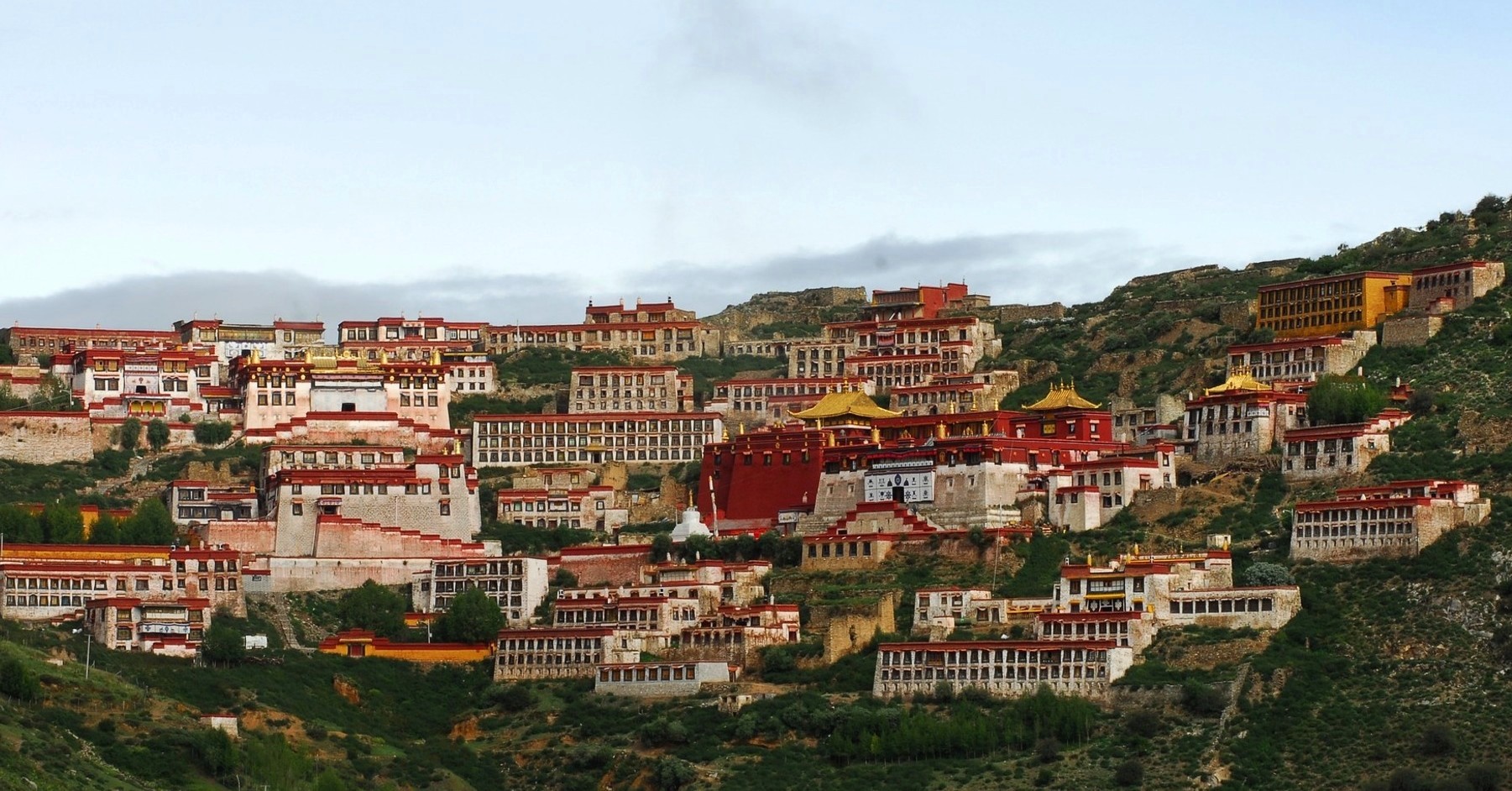
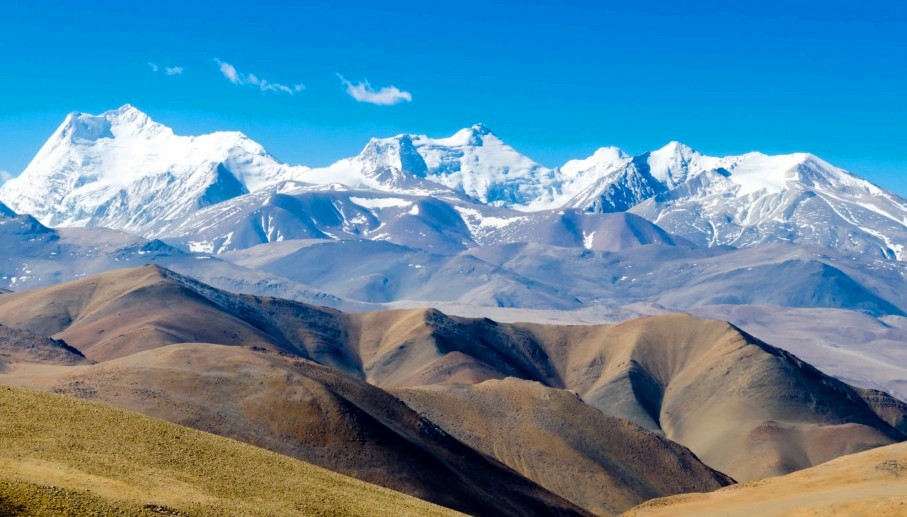
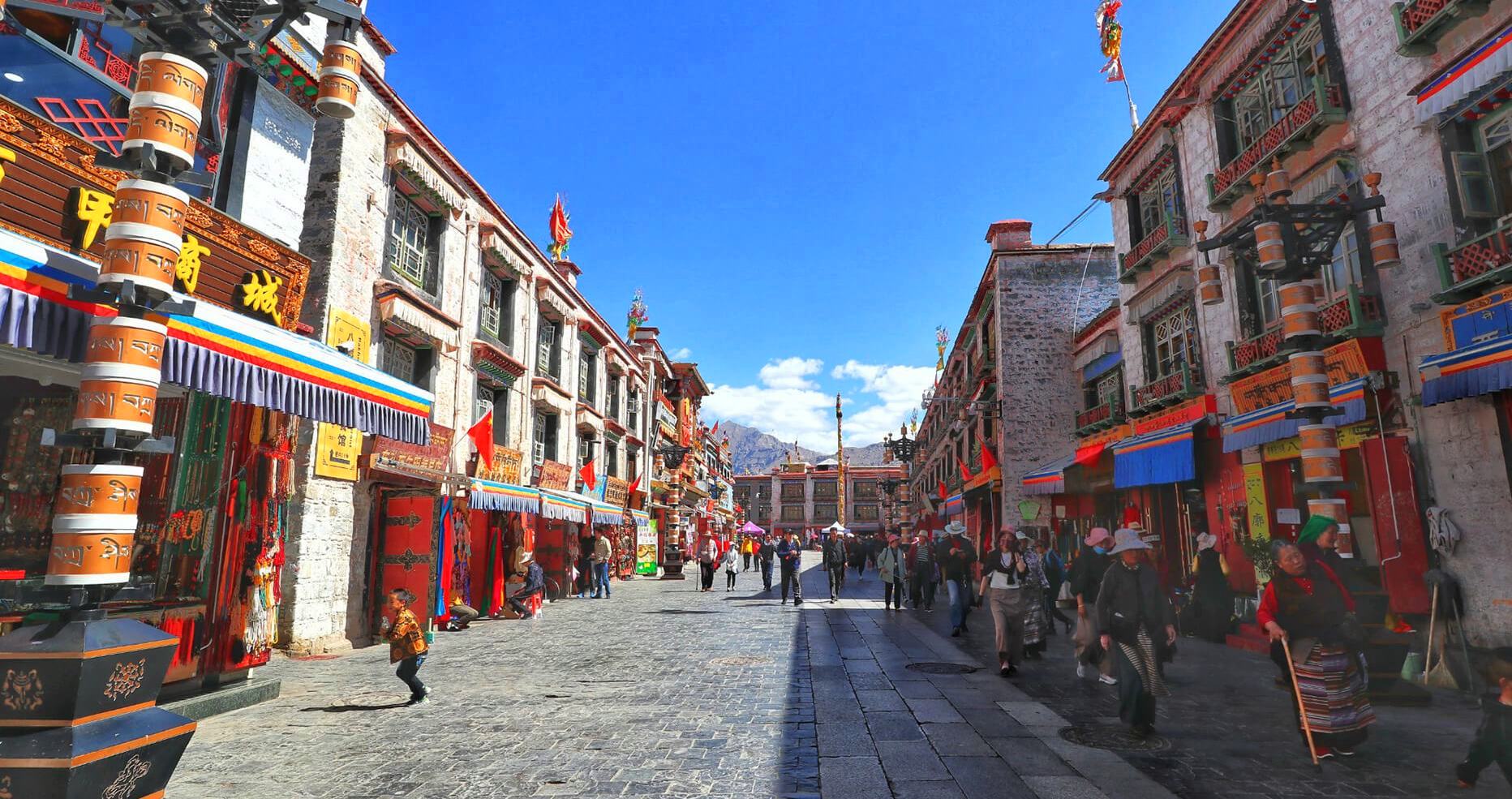
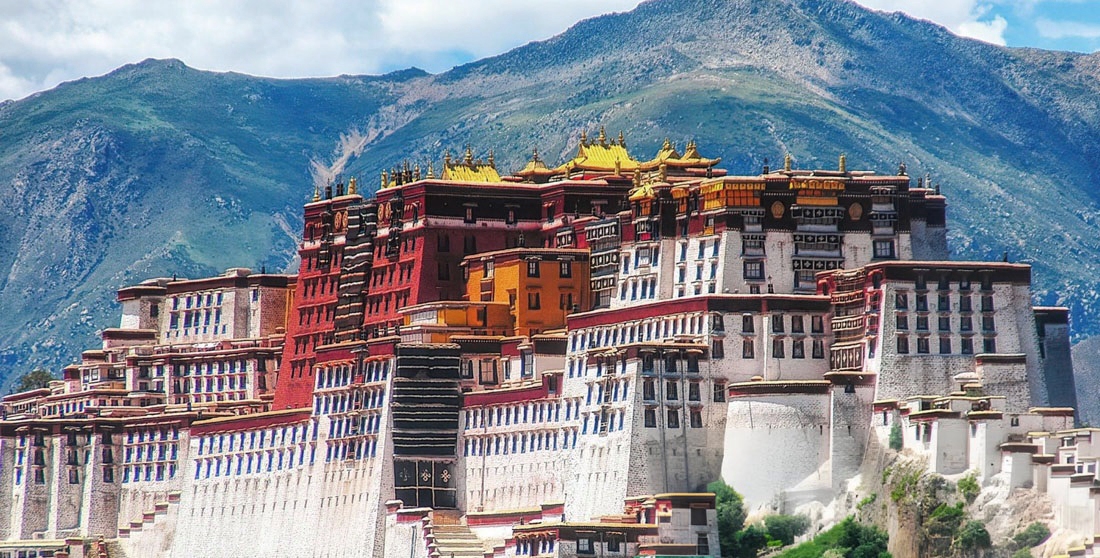
The Kathmandu to Lhasa Overland Tour offers travelers a unique opportunity to experience the rich and vibrant cultural heritage of both Nepal and Tibet. From bustling markets to ancient monasteries, the journey immerses visitors in a diverse tapestry of traditions, spirituality, and daily life.
In Kathmandu
In Tibet (Lhasa and Surroundings)
Throughout the tour, travelers will witness the resilience and warmth of local communities, their deep spiritual beliefs, and the harmonious relationship between people and the harsh, high-altitude environment. This cultural immersion makes the Kathmandu to Lhasa Overland Tour not just a journey through breathtaking landscapes, but also a profound encounter with centuries-old traditions and living heritage.
The Kathmandu to Lhasa Overland Tour offers travelers an immersive experience into the spiritual heart of Tibet, where ancient temples and monasteries reflect centuries-old Buddhist traditions and Tibetan culture.
Potala Palace:
Jokhang Temple:
Drepung Monastery:
Sera Monastery:
Ganden Monastery:
Other Notable Sites:
These temples and monasteries are not only spiritual centers but also cultural treasures, offering a window into the rich history, devotion, and artistry of Tibetan Buddhism.
Traveling from Kathmandu to Lhasa is an extraordinary adventure, but it involves high-altitude terrain, long journeys, and remote areas. Having comprehensive travel insurance is essential to ensure a safe and worry-free trip.
Key Reasons to Get Travel Insurance:
High-Altitude Risks: Lhasa and the Tibetan Plateau are located at elevations above 3,500 meters. Travel insurance can cover medical emergencies related to altitude sickness or other health issues.
Flight and Transport Coverage: Delays, cancellations, or missed connections for flights between Kathmandu and Lhasa are covered by most travel insurance plans.
Medical Emergencies: In the event of accidents, illnesses, or hospital visits, insurance provides financial support for treatment, evacuation, and medications.
Trip Cancellations or Interruptions: Unforeseen events such as political restrictions, natural disasters, or personal emergencies can disrupt travel plans. Insurance helps recover non-refundable expenses.
Lost or Stolen Belongings: Luggage, travel documents, or personal items can be lost or stolen during the journey; insurance can provide compensation.
Peace of Mind: Knowing you are protected allows you to fully enjoy the breathtaking landscapes, cultural experiences, and spiritual journey without unnecessary stress.
Tip: Choose a plan that specifically covers high-altitude travel and medical evacuation, as this region is remote and access to advanced healthcare may be limited.
Travel insurance is not just a precaution—it’s a necessary safeguard to ensure your Kathmandu to Lhasa adventure remains safe, enjoyable, and worry-free.
Traveling from Kathmandu to Lhasa takes you through diverse landscapes and high-altitude terrain, so packing wisely is essential. Below is a recommended list to ensure comfort, safety, and a smooth journey.
Clothing:
Personal Essentials:
Electronics:
Snacks and Extras:
Tips for Packing:
A well-prepared packing list ensures you stay comfortable, healthy, and ready to fully enjoy the spiritual and cultural wonders of Tibet.
Tibet
6 Days
Easy to Moderate
Tour & Cultural Exploration
Kathmandu
Kathmandu
3,650 Meters
Resort/ Hotel
Not included
1 to 10
Spring (March–May) & autumn (September–November)
Chinese Visa and Tibet Travel Permit