
Discover the wonders of Bhutan on this 8-day journey through its majestic mountains, rich traditions, and warm local communities. This tour is designed to provide an authentic Bhutanese experience, offering opportunities to stay with local families, learn about their daily life, and immerse you in the country’s unique culture and customs.
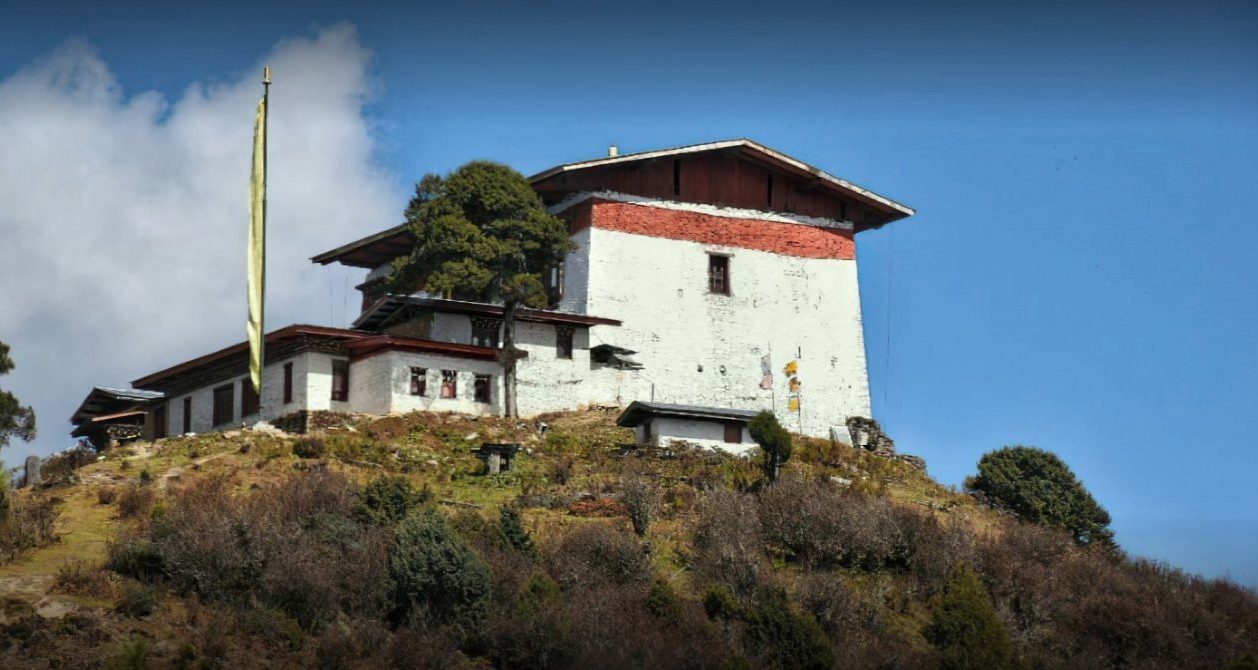
The trip begins in Paro, where you will explore its most famous attractions, including the iconic Taktsang Monastery, perched dramatically on a cliff. Wander through the charming streets of Paro town and enjoy the peaceful valley surroundings before setting out for trekking adventures in the Himalayas. The route takes you to Jele Dzong, Jangchulakha and Chaluna, reaching high-altitude vistas of up to 3,770 meters, with breathtaking views of snow-capped peaks, forests, and meadows.
Continue your journey to Thimphu, the vibrant capital, where modern city life blends with Bhutanese traditions.
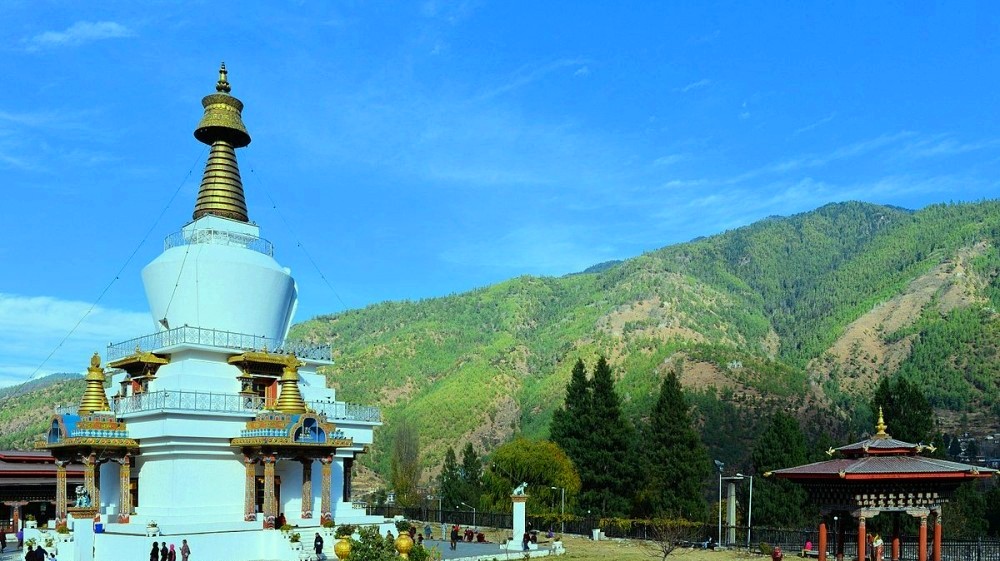
Explore landmarks such as the Memorial Chorten, Tashichho Dzong, and local markets. Next, travel to Punakha, home to the stunning Punakha Dzong and surrounded by fertile river valleys. Along the way, enjoy scenic drives through mountain passes, including the famous Dochula Pass, dotted with 108 Chortens.
Throughout the tour, experience the perfect balance of cultural exploration, scenic trekking, and interactions with local communities.
This carefully crafted itinerary highlights Bhutan’s sacred sites, picturesque landscapes, and traditional way of life, making it an unforgettable adventure. From historic monasteries to tranquil villages, and from Himalayan trails to bustling towns, the Best of Bhutan Tour showcases the very essence of this enchanting kingdom in just eight days.
Bhutan combines beautifully with an Overland Tour from Kathmandu to Lhasa for travelers who want to explore the Buddhist kingdoms of the Himalayan belt in a single journey. Those interested in East African wildlife after their Himalayan adventure can also explore our Tarangire National Park Tour in Tanzania.
The ideal time to experience the Best of Bhutan Tour is during the spring (March to May) and autumn (September to November) seasons. During these months, the weather is mild and pleasant, skies are mostly clear, and visibility of the Himalayan peaks is at its best.
Spring (March to May): The valleys and mountain trails come alive with blooming rhododendrons and other colorful flora. This is perfect for trekking and sightseeing.
Autumn (September to November): After the monsoon, the air is crisp and clean, offering stunning views of snow-capped peaks. Festivals like Thimphu Tshechu and Punakha Drubchen also take place during this season, allowing travelers to experience Bhutanese culture at its finest.
Avoid the monsoon season (June to August) due to heavy rains and slippery trails, and winter (December to February) can be cold with occasional snowfall at higher altitudes, limiting trekking options.
Spring and autumn ensure a comfortable and scenic journey, making your 8-day tour through Bhutan’s mountains, valleys, and cultural landmarks truly unforgettable.
Bhutan experiences a temperate climate with variations depending on altitude. During your 8-day tour, you’ll encounter a mix of valley weather and high-altitude conditions.
Spring (March–May): Temperatures in valleys like Paro and Thimphu range from 10°C to 25°C, with pleasant sunny days and cool mornings/evenings. Mountain trails may be slightly cooler. Spring brings colorful blooms and clear skies, making it ideal for trekking and sightseeing.
Autumn (September–November): Days are warm and bright (15°C to 25°C), while nights can be cooler (5°C to 10°C). Post-monsoon air is crisp, and visibility of the Himalayan peaks is excellent. This is also festival season, adding vibrant cultural experiences.
Higher Altitudes (Jele Dzong, Jangchulakha, Chaluna): Temperatures drop significantly, often 0°C to 10°C during mornings and evenings. Snow is possible at the highest points, so warm layers are essential.
Accommodation: During the 8-day Best of Bhutan Tour, you will stay in comfortable local lodges and hotels, offering cozy rooms with basic amenities. Selected lodges provide a warm and authentic Bhutanese experience, some even offering homestay opportunities to connect with local families. Accommodation is designed to be clean, safe, and welcoming, ensuring a relaxing stay after each day of trekking and sightseeing.
Food: Bhutanese cuisine is an essential part of the cultural experience. Meals are included in the standard tour package, allowing travelers the freedom to try local dishes at restaurants or lodges along the route. Popular Bhutanese dishes you can enjoy include:
Local eateries and lodges often serve a mix of traditional Bhutanese meals and mild continental options. Fresh, locally sourced ingredients ensure delicious and authentic flavors, making each meal a part of your cultural journey.
Transportation during the 8-day Best of Bhutan Tour is designed to be comfortable, safe, and convenient, allowing you to focus on enjoying the scenery and cultural experiences.
Arrival & Departure: The tour starts and ends in Kathmandu, with flights connecting to Paro, Bhutan. Airport transfers are arranged for seamless pick-up and drop-off.
Within Bhutan: Travel between destinations such as Paro, Thimphu, and Punakha is by private, air-conditioned vehicle with an experienced driver. The drives offer scenic views of valleys, rivers, and mountains.
The combination of private vehicles for long journeys and walking for trekking sections ensures a comfortable, immersive, and memorable travel experience, allowing you to enjoy Bhutan’s stunning landscapes and cultural highlights at your own pace.
Bhutan is gradually expanding its digital connectivity, but travelers should be prepared for limited mobile and internet access in remote areas, especially along trekking routes and high-altitude villages.
Mobile Network: Major cities and towns like Paro, Thimphu, and Punakha have good mobile coverage provided by local operators such as B-Mobile and TashiCell. SIM cards can be purchased at the airport or in major towns.
Internet Access: Wi-Fi is generally available at hotels, lodges, and some restaurants in cities and larger towns. In rural areas or during trekking, internet connectivity may be intermittent or unavailable.
While Bhutan offers a peaceful escape from constant connectivity, staying informed about mobile and internet availability helps you plan communications during your journey and ensures a smooth travel experience.
The Best of Bhutan Tour reaches a maximum altitude of 3,770 meters at Jangchulakha, which is considered moderate for most travelers. While the tour is not a high-altitude expedition, some sections of trekking involve gradual climbs that require your body to adjust to thinner air.
The itinerary is carefully designed to provide ample time for acclimatization, with cultural sightseeing days in Paro and Thimphu before ascending to higher elevations. This pacing helps reduce the risk of altitude-related discomfort. During the trek, walking hours are moderate (3–5 hours per day), allowing plenty of rest and adjustment.
To support proper acclimatization:
Because the tour combines both trekking and cultural exploration, you will spend time at varying altitudes, which naturally supports acclimatization. Most travelers with average fitness adjust well without major issues.
For added peace of mind, it’s recommended to consult your doctor before traveling and to consider travel insurance that covers high-altitude trekking.
Bhutan is a biodiversity hotspot, offering travelers a chance to explore rich flora and fauna across its valleys, forests, and high-altitude regions. The Best of Bhutan Tour combines cultural experiences with opportunities to observe the country’s natural wonders.
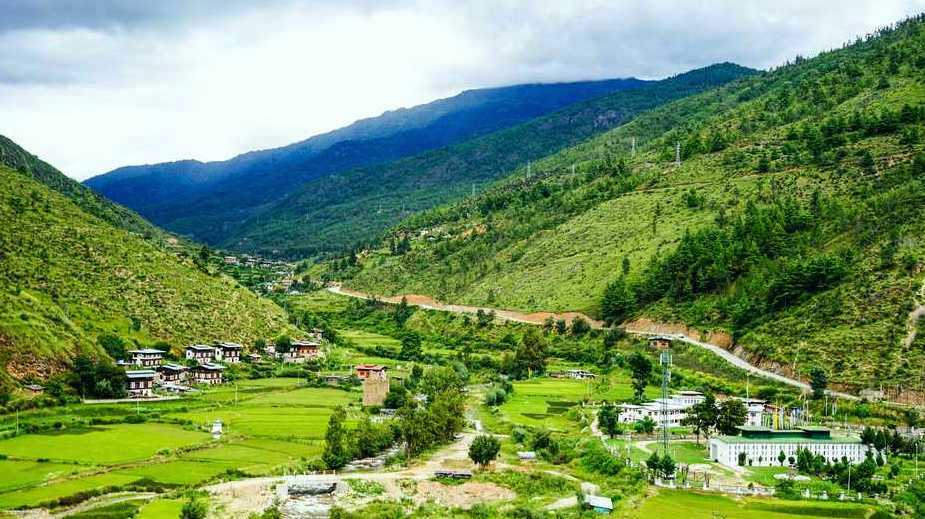
Flora: The varied altitudes bring a range of vegetation. In lower valleys, you’ll find subtropical forests, rice terraces, and vibrant rhododendrons in spring. Higher elevations feature pine, oak, and fir forests, alpine meadows, and seasonal wildflowers. The country’s commitment to environmental preservation ensures pristine landscapes along trekking routes.
Fauna: Bhutan is home to unique wildlife, including the red panda, Himalayan black bear, takin (national animal), and musk deer. Birdwatchers can spot species like monal pheasants, blood pheasants, and sunbirds, particularly in high-altitude forests and valleys.
Conservation: Many of Bhutan’s forests and wildlife habitats are protected in national parks and reserves, such as Jigme Dorji National Park and Phobjikha Valley, making it possible to enjoy nature sustainably during your journey.
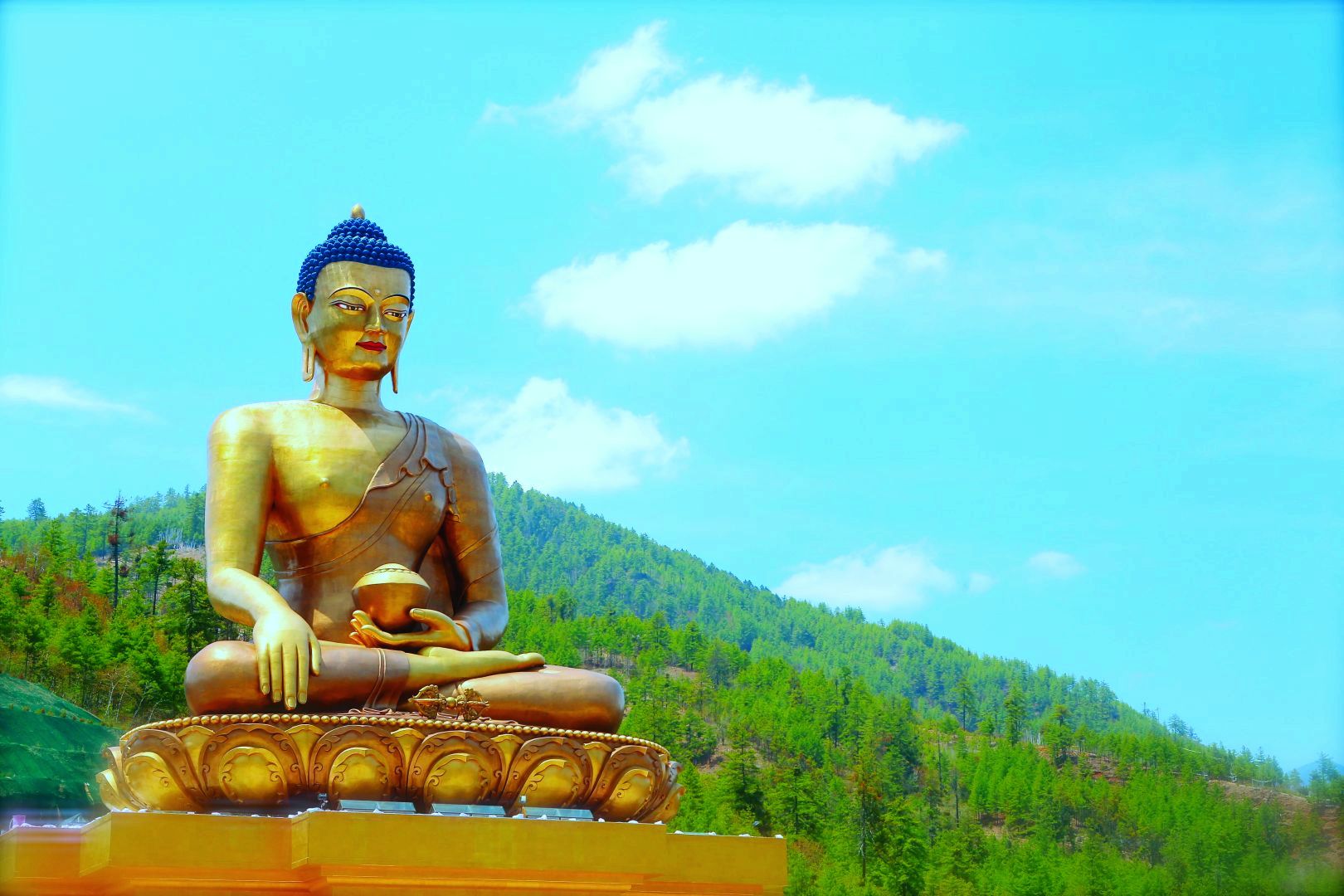
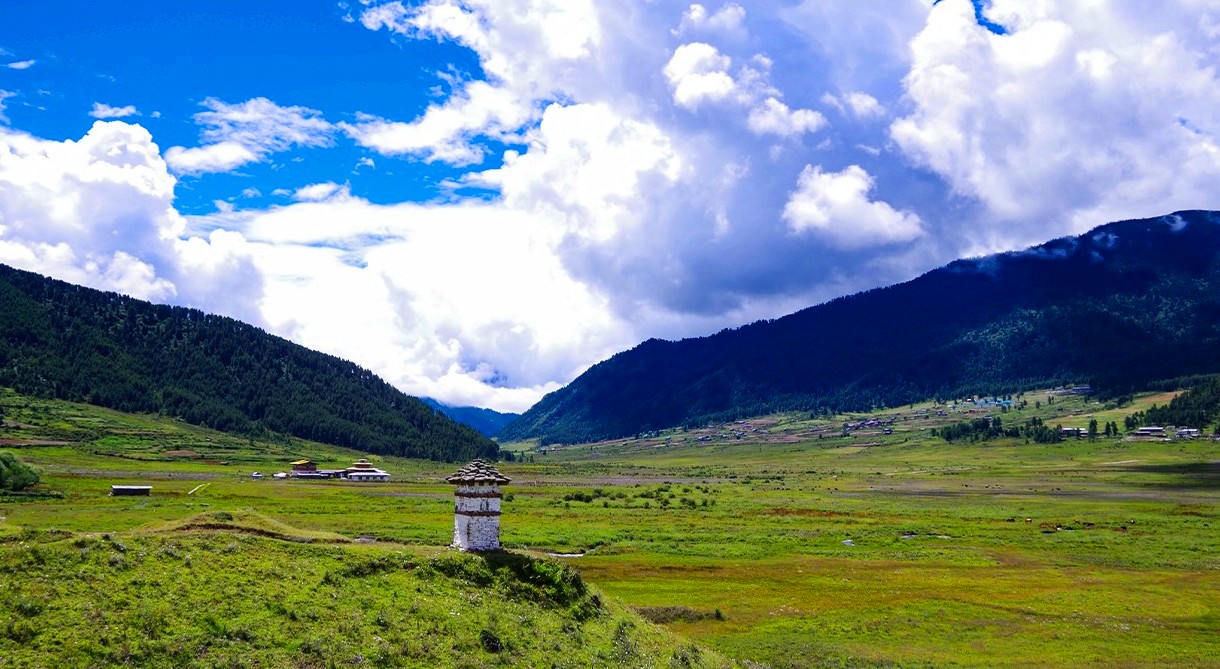
Bhutan is a land of rich traditions, vibrant festivals, and deep-rooted spiritual heritage. The Best of Bhutan Tour offers travelers the opportunity to experience the country’s diverse cultural tapestry across its valleys, towns, and villages.
Paro: Explore historic temples and monasteries, including the iconic Taktsang Monastery, and witness local rituals and festivals that showcase Bhutanese devotion and artistry.
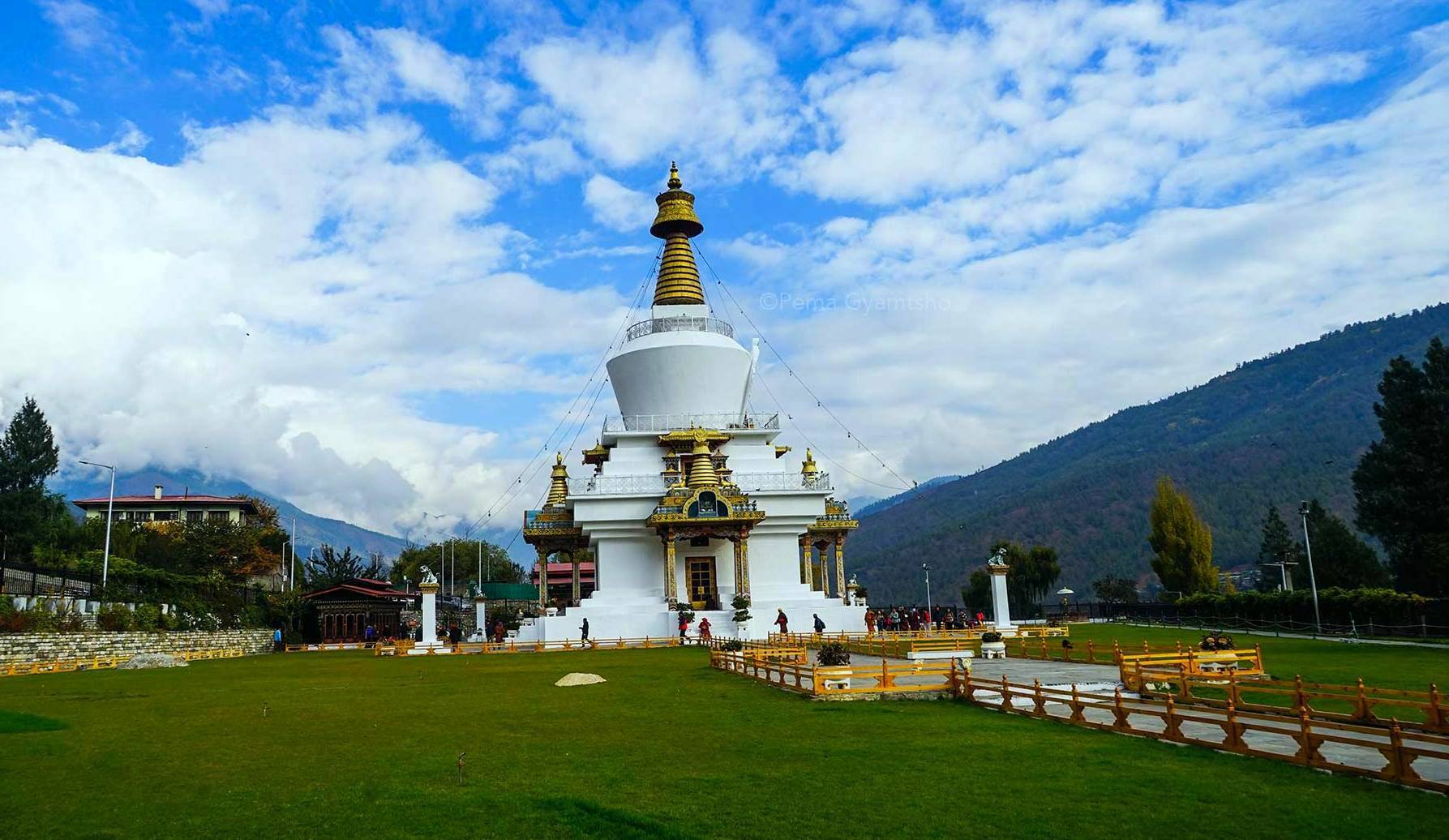
Thimphu: Bhutan’s capital blends tradition with modernity. Visit landmarks like Tashichho Dzong and Memorial Chorten, and observe artisans, craftspeople, and local markets reflecting everyday life.
Punakha: Known for its stunning Punakha Dzong and fertile river valleys, this region provides insight into rural Bhutanese culture, traditional farming practices, and community life.
Highland Villages: Trekking to Jele Dzong, Jangchulakha, and Chaluna offers encounters with yak herders, farmers, and villagers, giving a glimpse of Bhutan’s mountain lifestyles.
Throughout the journey, travelers experience Bhutanese customs, local festivals, traditional cuisine, and home stays, creating a deeper understanding of the country’s spiritual and cultural richness. This tour highlights how Bhutan seamlessly preserves its heritage while welcoming visitors, making it an authentic cultural adventure.
Bhutan is renowned for its spiritual heritage, and the Best of Bhutan Tour provides the perfect opportunity to explore some of the most sacred and historic religious sites in the kingdom.
Taktsang Monastery (Tiger’s Nest), Paro: Perched on a cliff 900 meters above the Paro Valley, this iconic monastery is a symbol of Bhutanese Buddhism and offers breathtaking views.
Kyichu Lhakhang, Paro: One of Bhutan’s oldest Temples built in the 7th century, known for its spiritual significance and serene surroundings.
Tashichho Dzong, Thimphu: A striking fortress-monastery serving as the seat of the government and central monastic body in Bhutan. Its impressive architecture and vibrant ceremonies reflect Bhutanese culture.
Memorial Chorten, Thimphu: A prominent stupa built in memory of the third king, featuring intricate carvings, prayer wheels, and devotional activities by locals.
Punakha Dzong, Punakha: Often called the “Palace of Great Happiness,” this majestic dzong lies at the confluence of two rivers and is a stunning example of Bhutanese architecture and spiritual devotion.
Visitors will experience not only the architectural beauty of these temples and monasteries but also their cultural and spiritual significance, witnessing daily rituals, prayer ceremonies, and festivals. These sites provide a profound insight into Bhutan’s Buddhist traditions and heritage, making them highlights of the tour.
Bhutan is a country deeply rooted in Buddhist traditions, and its festivals and customs provide a fascinating window into its rich cultural heritage. The Best of Bhutan Tour allows travelers to experience these unique practices firsthand.
Tshechu Festivals: These are major religious festivals held in different valleys, including Thimphu Tshechu and Punakha Drubche. Featuring masked dances, vibrant costumes, and traditional music, these festivals celebrate Bhutanese legends and spiritual teachings.
Daily Rituals: In monasteries and villages, you can observe locals performing morning prayers, spinning prayer wheels, and offering butter lamps, reflecting the devotion and spiritual rhythm of Bhutanese life.
Local Customs: Travelers may witness traditional ceremonies like blessing rituals, religious processions, and community gatherings. Home stays offer a unique opportunity to engage with local families and experience daily practices, such as cooking traditional dishes or participating in local crafts.
Cultural Etiquette: Respect for elders, monastic traditions, and religious sites is central to Bhutanese life. Visitors learn the importance of modest dress, proper behavior in temples, and the use of respectful gestures like the traditional “Namaste” greeting.
By participating in these festivals and observing Bhutanese traditions, travelers gain a deeper understanding of the kingdom’s spiritual life, values, and vibrant community culture, making the tour a truly immersive cultural experience.
Clothing:
Trekking Gear:
Personal Items:
Electronics & Accessories:
Optional Items:
Tip: Layering is key in Bhutan’s varying climates—from warm valleys to chilly high-altitude trails. Packing light while preparing for both trekking and cultural visits ensures a comfortable and enjoyable tour.
Why You Need Travel Insurance for the Best of Bhutan Tour:
Travel insurance is essential for any journey, and it is especially important when exploring a country like Bhutan, where trekking, high-altitude travel, and cultural immersion are key parts of the experience.
Medical Emergencies: Trekking and high-altitude areas can pose health risks such as altitude sickness, minor injuries, or sudden illness. Travel insurance ensures access to medical care and emergency evacuation if needed.
Trip Interruptions: Unforeseen events such as flight delays, cancellations, or natural occurrences like landslides can disrupt your travel plans. Insurance helps cover these unexpected costs.
Lost or Delayed Luggage: Protects against lost, stolen, or delayed baggage, ensuring you can continue your tour comfortably without major disruptions.
Peace of Mind: With travel insurance, you can fully enjoy Bhutan’s cultural experiences, trekking adventures, and scenic landscapes, knowing you are protected against unforeseen circumstances.
Bhutan
8 Days
Easy to Moderate
Tour & Cultural Exploration
Kathmandu
Kathmandu
3,770 Meters
Resort/ Hotel
included
1 to 10
Spring (March–May) & autumn (September–November)
Bhutanese government permits/ monastery, Temple entry fees