
Chitwan National Park, located in the lush lowlands of south-central Nepal, stands as one of Asia’s premier wildlife reserves. Spanning over 930 square kilometers, this protected area has been recognized as a UNESCO World Heritage site since 1984, celebrated for its rich biodiversity and unique ecosystems. The park’s dense forests, grasslands, and riverine areas provide a sanctuary for a variety of rare and endangered animals.
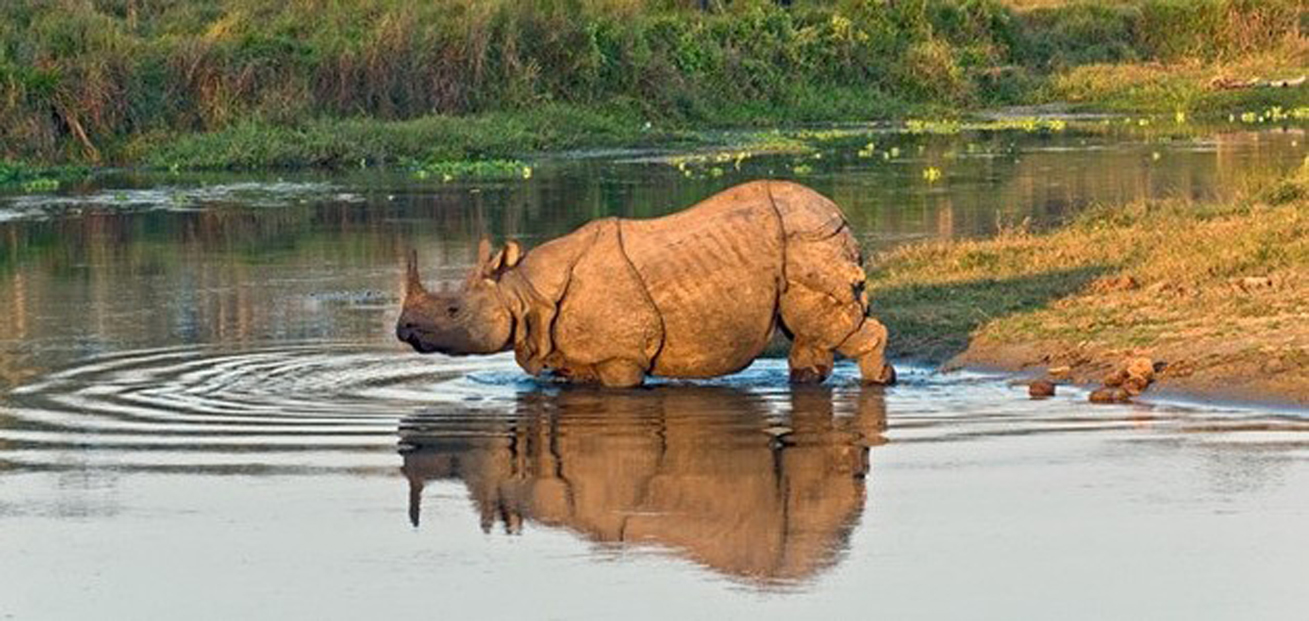
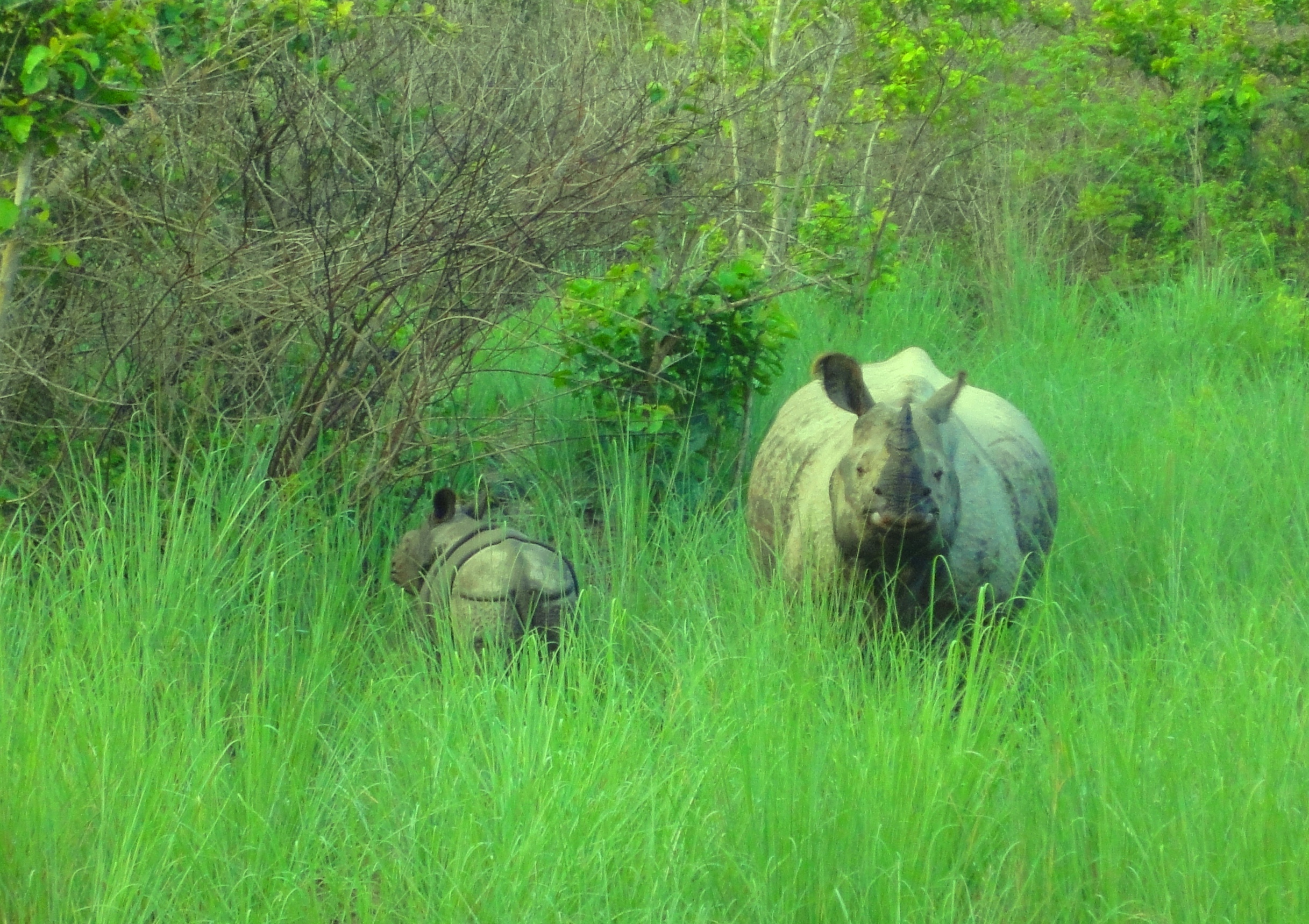
Visitors to Chitwan have the incredible chance to explore this vibrant natural environment through exciting jungle safaris. Whether on the back of an elephant, in a jeep, or on foot, the park offers many ways to witness its abundant wildlife up close. Among the most remarkable species are the elusive Bengal tiger, the iconic one-horned rhinoceros, leopards, and the gharial crocodile, along with a dazzling array of birdlife that attracts birdwatchers from around the world.
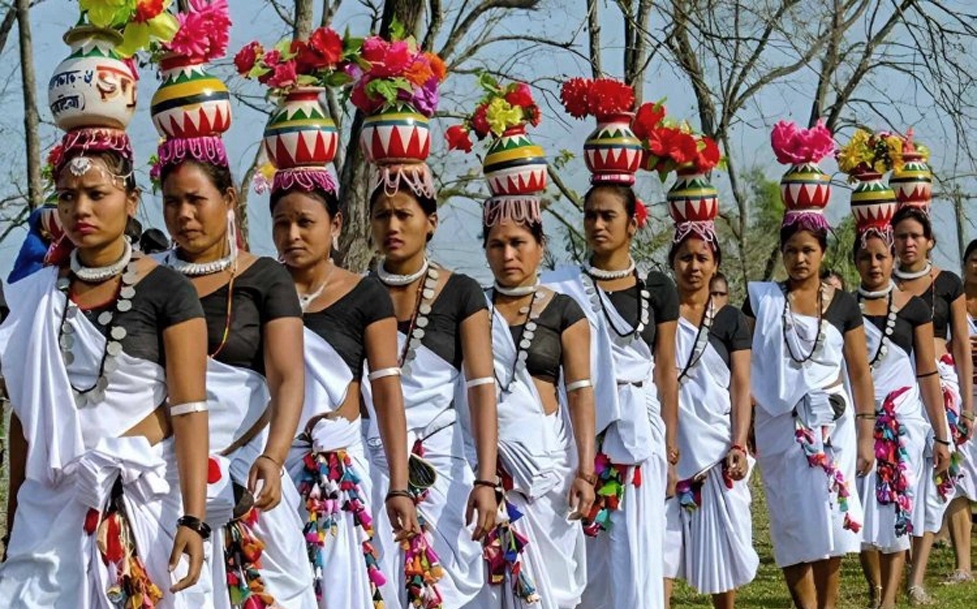
Beyond the wildlife, Chitwan is home to the Tharu people, an indigenous community known for their rich culture and deep connection to the land. Visitors can engage with the Tharu through cultural programs and village visits, gaining insight into their traditions and way of life.
Chitwan Jungle Safari is more than just a destination; it is an immersive experience that blends adventure, nature and culture. Whether you are seeking thrilling wildlife encounters or a peaceful retreat into nature, a jungle safari here promises unforgettable memories and a greater appreciation for Nepal’s incredible natural heritage.
Chitwan is a natural add-on to any Nepal tour, and many visitors combine it with the broader Kathmandu Pokhara Chitwan Tour for a complete Nepal experience. For a wilder, less-visited alternative, the Bardiya National Park package offers better tiger-spotting odds in a more remote setting.
The best time to enjoy a Chitwan Jungle Safari is during the autumn (October to early December) and spring (February to April) seasons. During these months, the weather is dry, skies are clear, and temperatures are pleasant, making wildlife spotting much easier. The grasslands are shorter after the monsoon, improving visibility for viewing animals like rhinos, deer, and even the elusive Bengal tiger.
Winter (late December to January) is also a good time to visit, though mornings can be cool and misty, creating a serene jungle atmosphere. By midday, the temperatures warm up, and you can still enjoy safaris comfortably. Monsoon season (June to September) is generally not ideal due to heavy rainfall, flooded rivers, and leech-prone trails, but the park becomes lush and vibrant, and birdwatching opportunities are excellent for spotting migratory species.
For the best overall experience, plan your visit in autumn or spring when the park offers the perfect balance of pleasant weather, clear views and active wildlife.
Chitwan National Park lies in Nepal’s subtropical lowlands, giving it a warm and humid climate most of the year.
Autumn (October to early December): Pleasant weather with clear skies, daytime temperatures between 25°C to 30°C and cooler mornings/evenings around 15°C to 20°C. Ideal for safaris and outdoor activities.
Winter (late December to January): Mild days and cool nights. Daytime temperatures average 20°C to 25°C, while early mornings and nights can drop to 8°C to 12°C. Light sweaters or jackets are recommended for morning safaris.
Spring (February to April): Warm and sunny with daytime temperatures ranging from 25°C to 35°C. Excellent for wildlife viewing as animals are more active before the summer heat.
Summer/Pre-Monsoon (May to early June): Hot and humid, with temperatures often reaching 35°C to 40°C. Safaris are possible but require early morning or late afternoon timings to avoid peak heat.
Monsoon (June to September): Heavy rainfall, high humidity, and lush greenery. Daytime temperatures average 28°C to 32°C, but muddy trails and occasional flooding can affect safari schedules.
Overall, the park enjoys warm weather year-round, with the best conditions for wildlife viewing in autumn and spring.
Accommodation: During the Chitwan Jungle Safari Tour, guests typically stay in comfortable lodges, resorts, or guesthouses located in or near Sauraha, close to Chitwan National Park’s main entrance.
Accommodation ranges from budget-friendly guesthouses to luxury jungle resorts, with most offering peaceful garden settings, private bathrooms, and air-conditioned or fan-cooled rooms depending on the category. Many lodges feature balconies or outdoor seating areas where you can relax and enjoy the surrounding nature.
Food: Meals in Chitwan are a mix of Nepali, continental, and Asian cuisines. Lodges and resorts generally provide full-board service (breakfast, lunch, and dinner) during your stay. Breakfasts may include eggs, bread, porridge, fruit, tea, and coffee. Lunches and dinners often feature rice, lentils, seasonal vegetables, chicken or fish, pasta, soups, and fresh salads.
Vegetarian and vegan options are widely available, and dietary requirements can usually be accommodated with prior notice.
Many resorts also offer outdoor dining areas where you can enjoy your meals while overlooking the Rapti River or lush jungle surroundings. Evening dinners often coincide with cultural programs, adding a memorable touch to your dining experience.
Reaching Chitwan National Park from Kathmandu is convenient with multiple transportation options available:
Tourist Bus: The most popular and budget-friendly option. Comfortable tourist buses depart daily from Kathmandu and take around 6–7 hours to reach Sauraha, the gateway to Chitwan. Along the way, you’ll enjoy scenic views of hills, rivers and villages.
Private Vehicle: For more flexibility and comfort, you can hire a private car or jeep. This option allows you to travel at your own pace, stop for photos, or enjoy local food along the highway. The journey takes roughly the same time as the tourist bus.
Domestic Flight: If you prefer to save time, a 25-minute flight from Kathmandu to Bharatpur Airport is the quickest option. From Bharatpur, it’s a short 30-minute drive to Sauraha and your accommodation near the park.
From Pokhara: Travelers can also head to Chitwan from Pokhara by bus or private vehicle, which usually takes about 4–5 hours.
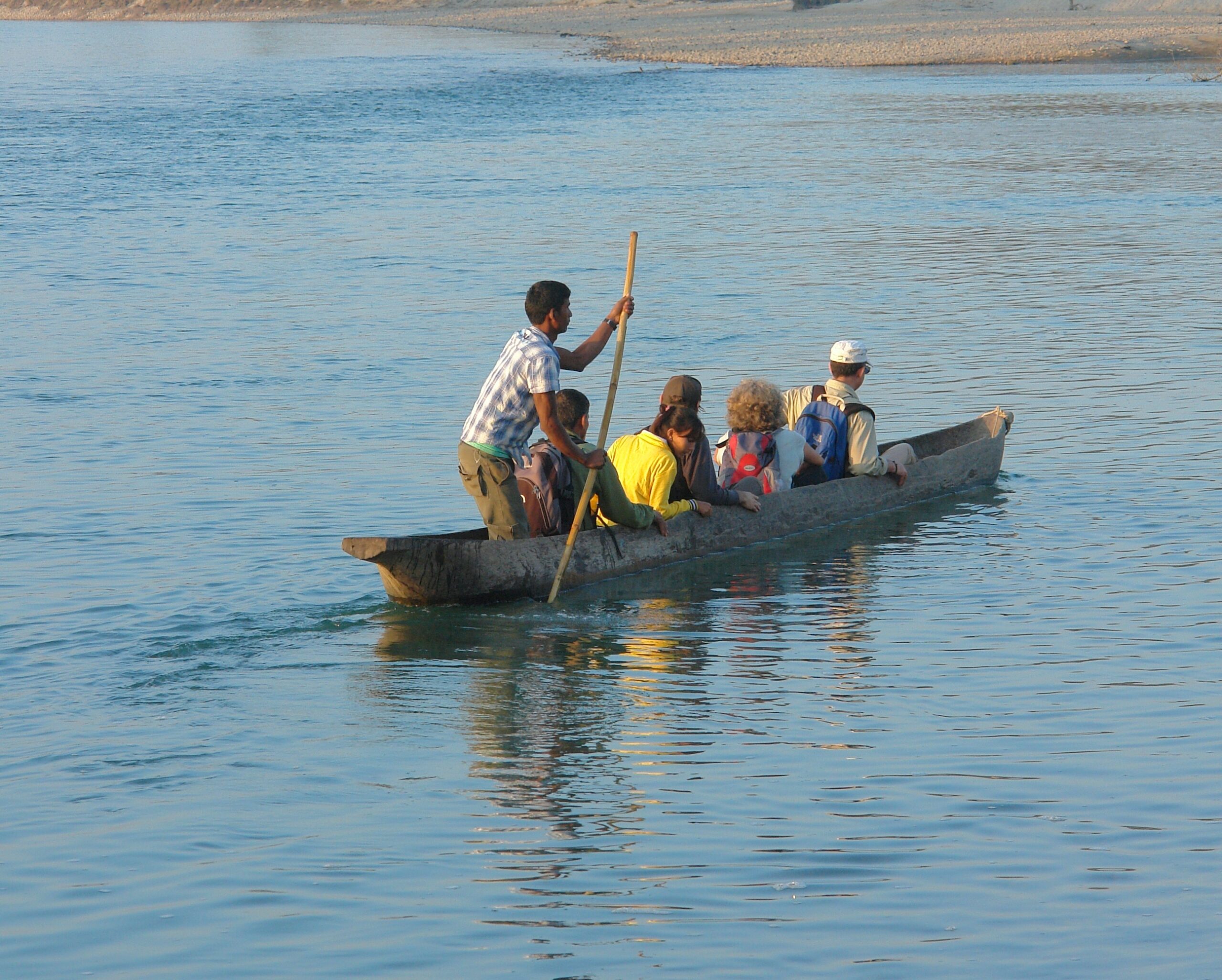
Within Chitwan, local transfers for jungle activities such as jeep safaris, canoe rides, or cultural tours are typically arranged by your lodge or tour operator, ensuring smooth and hassle-free travel during your stay.
Staying connected during your Chitwan Jungle Safari is fairly easy, though the coverage may vary depending on location.
Mobile Network: Major Nepali service providers such as NTC (Nepal Telecom) and NCELL have good coverage in and around Sauraha and the nearby villages. Inside Chitwan National Park, however, the signal can be weak or unavailable, especially deep in the jungle.
Internet Access: Most hotels, lodges, and resorts near Chitwan National Park offer free Wi-Fi** in common areas and rooms. The speed is usually sufficient for messaging, emails, and light browsing, but may not be fast enough for heavy streaming or large uploads.
During Safari Activities: Don’t expect a reliable connection while on jungle safaris, canoe rides, or nature walks, as these take place in remote areas with little to no network coverage.
Tip: If you need consistent access, purchasing a local SIM card with a data package before leaving Kathmandu is recommended. This ensures you can stay connected whenever the network is available.
While internet and mobile connectivity are present, many travelers find it refreshing to disconnect and immerse themselves in the wildlife and cultural experiences that Chitwan has to offer.
Unlike trekking in Nepal’s Himalayas, the Chitwan Jungle Safari Tour does not involve high altitudes, so you don’t need to worry about altitude sickness or special acclimatization days. Chitwan lies in the subtropical Terai plains, where the climate is warm, humid and low-lying year-round.
However, travelers may need a short time to adjust to:
Heat and Humidity: The Terai is hotter than Kathmandu or Pokhara, especially in summer months (May–June). Wearing lightweight clothes, staying hydrated, and taking breaks during activities will help you adapt.
Wildlife Environment: Safaris involve time in dense jungles, grasslands, and rivers. It’s important to follow guides’ safety instructions and carry insect repellent.
Seasonal Changes: Winter mornings can be misty and cool, while afternoons are warm. In the monsoon (June–September), rain and humidity are high, so light rain gear and quick-dry clothing are recommended.
In short, acclimatization in Chitwan means adjusting to the tropical climate and jungle environment, rather than altitude. With proper preparation, you’ll enjoy a comfortable and safe safari experience.
Flora in Chitwan National Park:
Chitwan National Park’s rich ecosystem is home to over 700 species of plants, ranging from dense sal forests to sprawling grasslands. The Sal tree dominates about 70% of the park, providing shade and habitat for various animals. The riverbanks and floodplains are lined with elephant grass, which can grow up to 8 meters tall, offering excellent cover for wildlife like rhinos and deer.
The park also features silk cotton trees, rosewood, and a variety of fruit-bearing and medicinal plants. Seasonal wildflowers add vibrant colors to the landscape, particularly in spring.
Fauna in Chitwan National Park:
Chitwan is world-renowned for its exceptional wildlife diversity, protecting more than 68 species of mammals, 56 species of reptiles and amphibians, and over 540 species of birds**. Key highlights include:
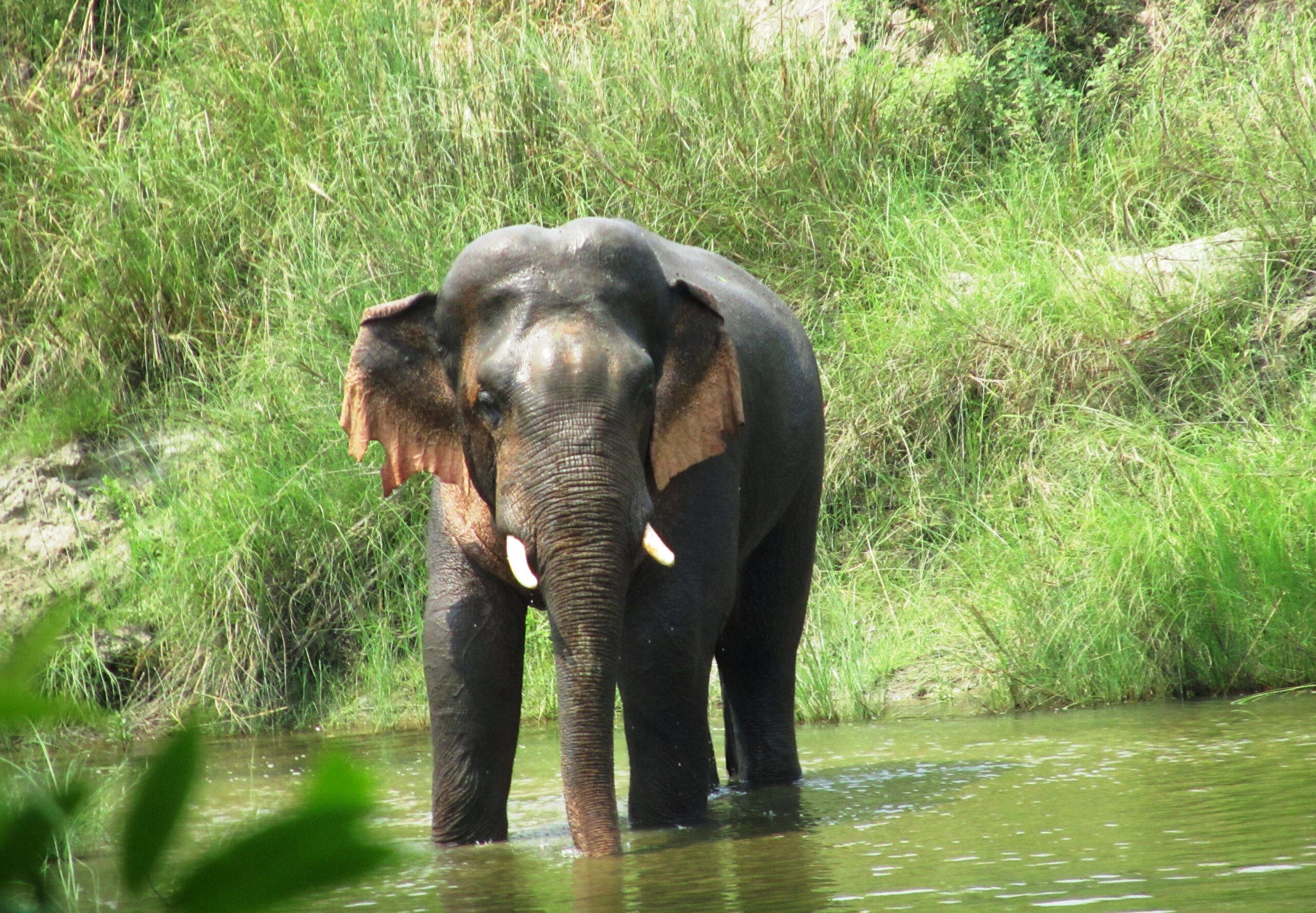
Mammals: The endangered one-horned rhinoceros, elusive Bengal tiger, leopards, sloth bears, wild elephants, and various species of deer including sambar and spotted deer.
Reptiles: Marsh mugger crocodiles, the rare gharial crocodile, and several species of snakes and lizards.
Birdlife: From colorful kingfishers and hornbills to migratory birds like storks and cranes, Chitwan is a birdwatcher’s paradise.
Aquatic Life: The Rapti and Narayani rivers host freshwater dolphins (rare sightings), along with many fish species.
This incredible variety of flora and fauna makes Chitwan National Park one of the best destinations in Asia for wildlife enthusiasts and nature lovers.
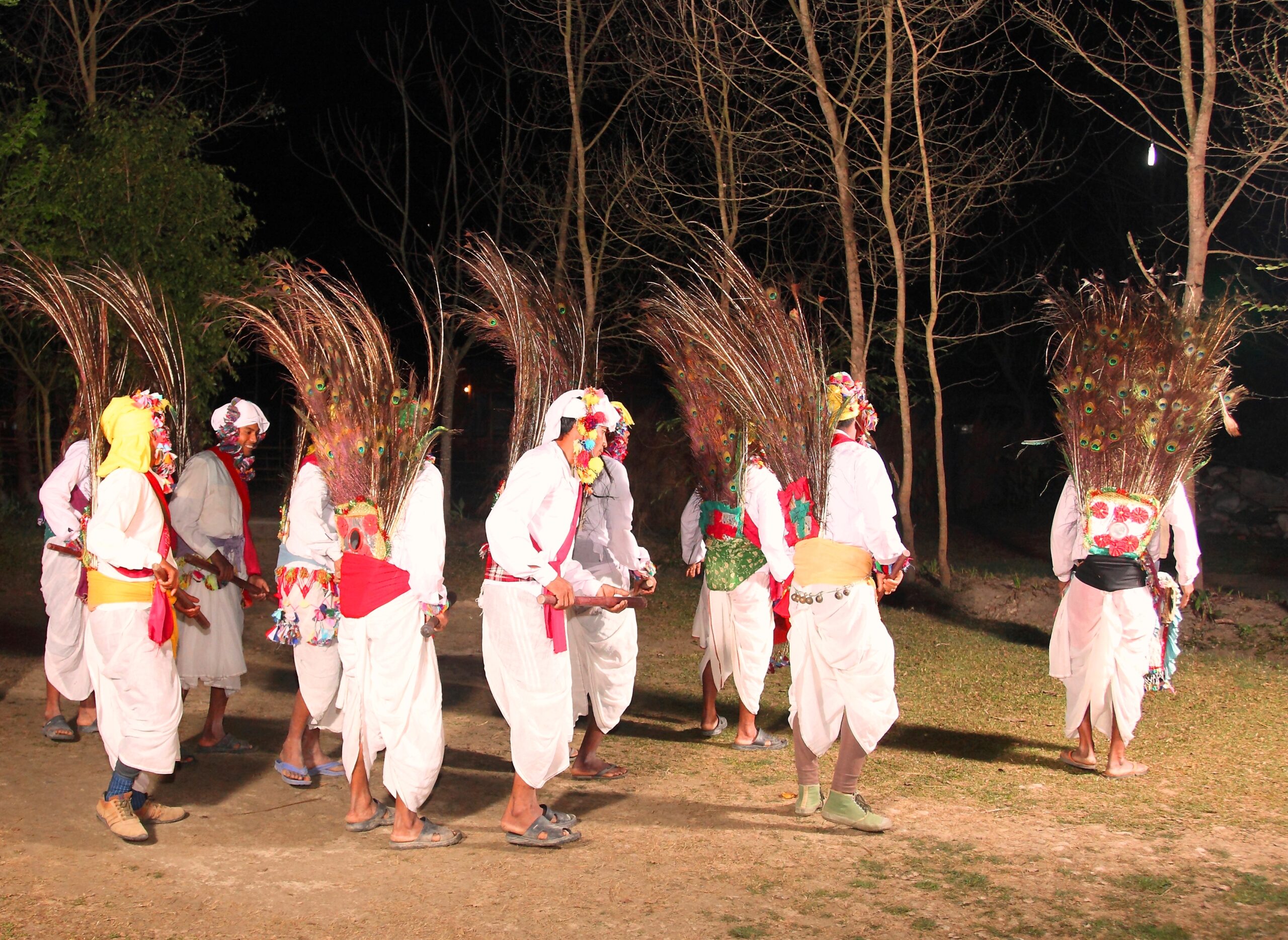
A visit to Chitwan National Park is not only about wildlife but also about experiencing the unique culture of the Tharu people, the indigenous community of Nepal’s Terai region. Known for their deep connection to the land and rich traditions, the Tharu have lived harmoniously with the jungle for centuries.
During your tour, you can visit Tharu villages to see their distinctive mud-and-thatch houses decorated with traditional artwork. Learn about their farming techniques, fishing methods, and herbal medicine practices passed down through generations.
Evenings often feature Tharu cultural dance performances, where dancers in colorful costumes perform rhythmic stick dances, peacock dances, and other folk styles accompanied by live drums. These performances tell stories of daily life, harvest celebrations, and their relationship with nature.
You may also have the chance to taste authentic Tharu cuisine, such as dhikri (steamed rice flour dumplings), ghonghi (spiced snails), and fresh river fish prepared with local spices.
Engaging with the Tharu community adds a cultural depth to your Chitwan Jungle Safari, allowing you to connect with the heritage and traditions of the region while supporting local livelihoods.
While the Chitwan Jungle Safari Tour is best known for wildlife adventures, the region also offers fascinating cultural and spiritual sites worth visiting. Exploring nearby temples and monasteries adds a cultural touch to your jungle experience.
Visiting these temples and monasteries allows travelers to combine spiritual exploration with natural adventure, making the Chitwan Jungle Safari Tour more diverse and enriching.
Beyond the wildlife adventure, the Chitwan Jungle Safari Tour offers a chance to experience the rich cultural traditions of the Tharu community, the indigenous people of Nepal’s Terai region. Their lifestyle, festivals, and rituals reflect a deep bond with nature and agriculture.
Tharu Traditions: The Tharu people are known for their unique houses made of mud and thatch, vibrant attire, and warm hospitality. Visitors often enjoy cultural programs featuring the Tharu stick dance (Danda Nach) and peacock dance, which depict stories of bravery, farming life and harmony with nature.
Major Festivals:
Experiencing these traditions and festivals allows travelers to connect with the local way of life, adding cultural richness to the jungle safari adventure. It’s not only about wildlife but also about celebrating the harmony of people, culture and nature in the Terai.
Clothing:
Safari Essentials:
Personal Items:
Travel Documents & Extras:
Why You Need Travel Insurance for the Chitwan Jungle Safari Tour:
Travel insurance is important for your Chitwan Jungle Safari to protect you from unexpected events like illness, injury, or trip cancellations. Jungle safaris involve some risks such as rough terrain and limited medical facilities nearby.
Insurance ensures you get emergency medical care, evacuation if needed, and covers lost belongings or travel delays. It gives you peace of mind so you can fully enjoy your adventure without worries.
Nepal
3 Days
Easy to Moderate
Jungle Safari Tour
Kathmandu
Kathmandu
Resort/Home-stay/ Hotel
included
1 to 10
Spring (March–May) & autumn (September–November)
National Park Entry