
Bardiya National Park, located in the Bardiya District of the Far Western Terai region of Nepal, is one of the country’s largest and most pristine protected areas. Spanning 968 square kilometers, it offers a remarkable combination of dense sal forests, open grasslands, and riverine habitats. The park was first established in 1976 as the Karnali Wildlife Reserve to safeguard vital ecosystems and provide a secure habitat for endangered species, particularly the Royal Bengal tiger. In 1982, it was renamed Bardiya Wildlife Reserve and by 1988, it gained full National Park status.
Bardiya is often described as Nepal’s best-kept secret for wildlife lovers. Unlike the more famous Chitwan National Park, Bardiya receives fewer visitors, giving travelers a more peaceful and authentic jungle experience. The park is home to an impressive range of wildlife, including Royal Bengal tigers, one-horned rhinoceroses, wild Asian elephants, swamp deer, leopards, and the rare Gangetic dolphin. Over 400 bird species also make Bardiya a paradise for birdwatchers.
Situated about 376 km (233 miles) from Kathmandu, Bardiya can be reached by a scenic overland journey of 12–15 hours or by a short flight to Nepalgunj followed by a two-hour drive to the park’s main entrance at Thakurdwara. Its location along the fertile Terai plains and near the Indian border contributes to its rich biodiversity.
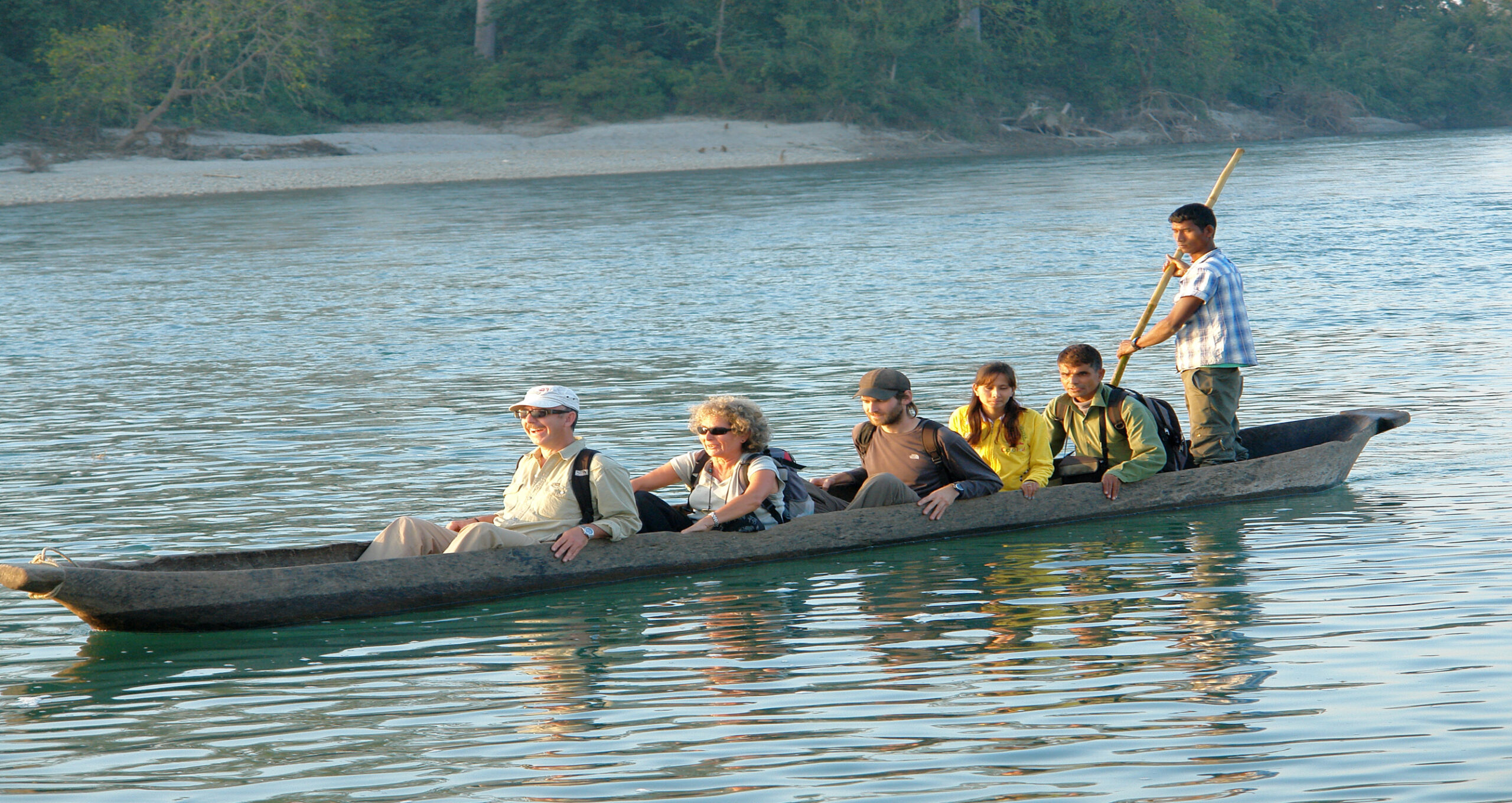
Popular activities include jeep safaris, guided nature walks, birdwatching tours, rafting on the Karnali River, and cultural visits to nearby Tharu villages. With its untouched landscapes and abundant wildlife, Bardiya National Park is a must-visit destination for those seeking a raw and immersive nature experience in Nepal.
Bardiya is often called Nepal’s best-kept wildlife secret, and it makes an excellent alternative or addition to the more popular Chitwan Jungle Safari Tour. Travelers looking to combine wildlife with Nepal’s broader cultural and trekking highlights can explore the full Kathmandu Pokhara Chitwan Tour.
The best time to visit Bardiya National Park is between October and April, when the weather is dry and comfortable, creating ideal conditions for wildlife viewing and outdoor activities. During this period, the park’s landscapes are vibrant, and animals are more easily spotted as they come out to graze and drink from water sources.
October to November: This post-monsoon season brings fresh greenery and clear skies. It is one of the most popular times for safaris, as the forest is lush and the chances of encountering diverse wildlife are high.
December to February: Temperatures drop, especially in the early mornings and evenings, but daytime safari conditions remain pleasant. Cooler weather often draws animals closer to rivers and waterholes, increasing the likelihood of sightings.
March and April: The Park experiences warmer days and blooming flora, creating a beautiful environment for both wildlife and birdwatchers. This period is also the breeding season for many bird species, making it perfect for bird enthusiasts.
Monsoon Season (June to September): Heavy rains during this time can make trails muddy and difficult to navigate. While the park becomes a lush green paradise and attracts migratory birds, many safari activities are limited due to weather and accessibility challenges.
For a rewarding and comfortable jungle safari experience, planning your visit during the dry months from October to April is highly recommended.
Bardiya National Park experiences a subtropical climate typical of Nepal’s Terai region, characterized by distinct seasons with varying temperatures and weather conditions throughout the year.
Spring (March to May): Temperatures gradually rise from mild to warm, ranging between 15°C (59°F) in the early spring to around 30°C (86°F) by May. This season brings blooming flowers and active wildlife, making it a great time for safari and bird watching.
Summer/Monsoon (June to September): This period sees hot and humid weather, with temperatures between 25°C to 35°C (77°F to 95°F). Heavy monsoon rains occur, especially in July and August, which can cause muddy trails and occasional flooding, limiting some park activities.
Autumn (October to November): Considered the best season to visit, autumn offers pleasant temperatures ranging from 18°C to 28°C (64°F to 82°F) with clear skies and low humidity. The comfortable weather supports excellent wildlife viewing.
Winter (December to February): Winters are cooler and drier, with temperatures dropping to around 8°C to 20°C (46°F to 68°F). Early mornings and evenings can be chilly, but daytime safaris are comfortable and ideal for spotting animals near water sources.
Understanding the weather and temperature patterns can help you prepare better and choose the best time for your visit to Bardiya National Park.
Accommodation: Bardiya National Park offers a range of comfortable lodging options that cater to different traveler preferences and budgets. Most visitors stay in eco-friendly lodges, safari camps, and mid-range hotels located near the park entrance or along the Karnali River. These accommodations provide basic amenities such as clean rooms, hot showers, and cozy dining areas. For those seeking a more immersive experience, some lodges offer traditional Tharu-style cottages that showcase local culture and architecture.
Food: Meals during the safari tour typically include a mix of local Nepali cuisine and familiar international dishes to suit various tastes. Expect fresh, home-cooked meals featuring staples like rice, lentils (dal), vegetables, and meats such as chicken, goat, or fish. Many lodges also provide vegetarian options. Snacks and tea or coffee are available throughout the day to keep you energized during safaris and activities. Drinking water is usually provided, but carrying a refillable water bottle with a purification method is recommended.
By Air: The fastest and most convenient way to reach Bardiya National Park is by taking a domestic flight from Kathmandu to Nepalgunj, which takes about 1 hour. From Nepalgunj Airport, it’s approximately a 2–3 hour drive to the park’s main entrance at Thakurdwara. This option saves significant travel time compared to overland travel.
By Road: For those who enjoy overland journeys, Bardiya can be reached by tourist bus, local bus, or private jeep from Kathmandu. The drive takes 12–15 hours, passing through scenic countryside, towns, and the Terai plains. Overnight buses are available, but private vehicles offer more comfort and flexibility.
Combined Option: Some travelers choose to fly to Nepalgunj and return by road (or vice versa) to experience both convenience and scenic overland views.
Within the Park: Transportation inside Bardiya is typically via 4WD jeeps for safaris, which are included in most tour packages. For shorter excursions, bicycles or walking tours can also be arranged.
Staying connected while exploring Bardiya National Park is possible but can be limited due to its remote location and dense jungle. Mobile networks like Nepal Telecom (NTC) and NCELL provide coverage in nearby towns and villages, though the signal inside the park may be weak or inconsistent, especially in deeper forest areas.
Most lodges and eco-resorts around the park entrance offer Wi-Fi services, but connections may not be as fast or reliable as in cities like Kathmandu or Pokhara. It’s good enough for messaging and basic browsing, but streaming or heavy downloads can be difficult.
For better connectivity during your trip:
While network access is improving, Bardiya’s charm lies in its untouched wilderness and tranquil environment. A jungle safari here offers a chance to disconnect from the digital world and immerse you in nature, making limited connectivity part of the authentic experience.
Unlike high-altitude treks in Nepal, acclimatization is not a concern in Bardiya National Park since it lies in the lowland Terai region. The park’s altitude ranges from around 150 to 400 meters above sea level, making it warm and tropical throughout the year.
Instead of altitude challenges, visitors may need to adapt to the climate—hot days, humid conditions, and cooler mornings or evenings depending on the season. It usually takes a day to adjust to the warmer temperatures, especially if you’re arriving from Kathmandu or higher Himalayan regions.
To stay comfortable during your Bardiya trip:
Bardiya is more about climate adjustment than altitude acclimatization, ensuring your safari experience remains safe, enjoyable, and relaxed.
Flora: Bardiya National Park is a haven of lush greenery, dominated by sal forests, which cover nearly 70% of the park’s area. The landscape also includes riveting forests, grasslands (phanta), and scattered patches of mixed hardwood species. Along the banks of the Karnali, Babai, and other rivers, you’ll find dense stands of khair, sissoo, and cottonwood trees. Seasonal wildflowers add bursts of color, especially during spring and post-monsoon months, creating a vibrant natural setting.
Fauna: The Park is home to an impressive diversity of wildlife, making it one of Nepal’s top destinations for nature lovers.
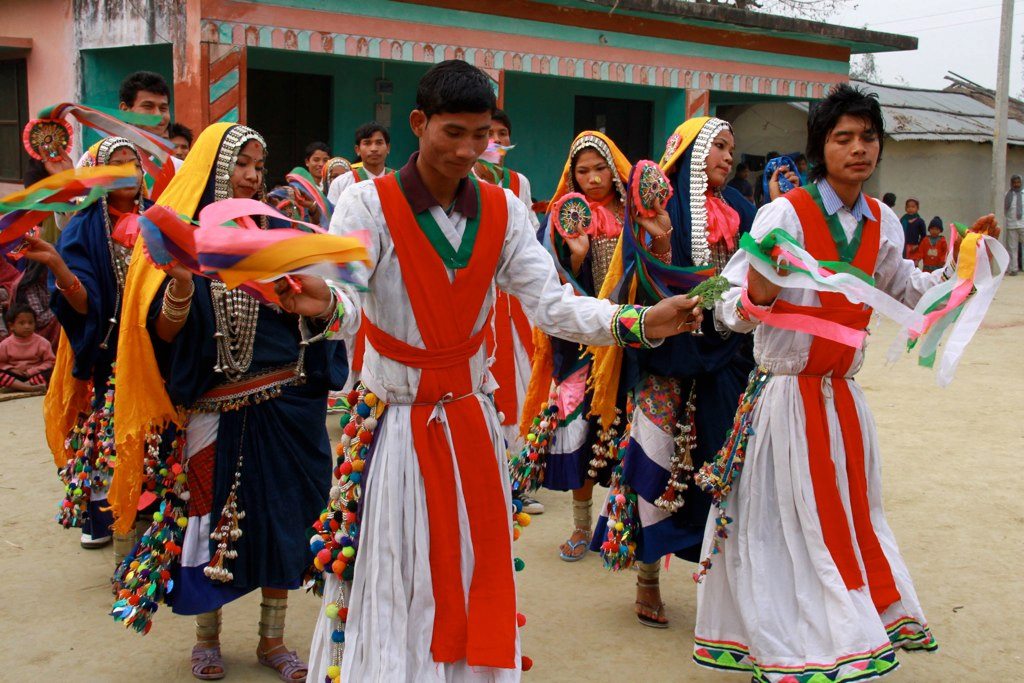
Mammals: Bardiya shelters over 50 species of mammals, including the Royal Bengal tiger, one-horned rhinoceros, wild Asian elephant, leopard, sloth bear, blue bull (nilgai), swamp deer, and the rare Gangetic dolphin.
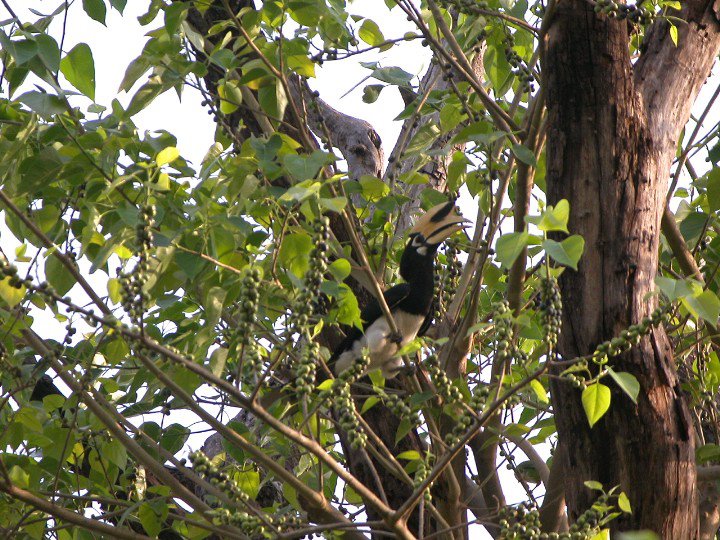
Birds: With more than 400 bird species, Bardiya is a paradise for birdwatchers. Notable species include the Bengal florican, great hornbill, crested serpent eagle, Sarus crane, and a variety of kingfishers and woodpeckers.
Reptiles and Amphibians: The park’s wetlands and rivers are home to marsh mugger crocodiles, gharial crocodiles, and numerous snakes, frogs, and lizards.
This rich biodiversity, combined with its tranquil and less-crowded environment, makes Bardiya an exceptional place for both wildlife photography and immersive safari experiences.
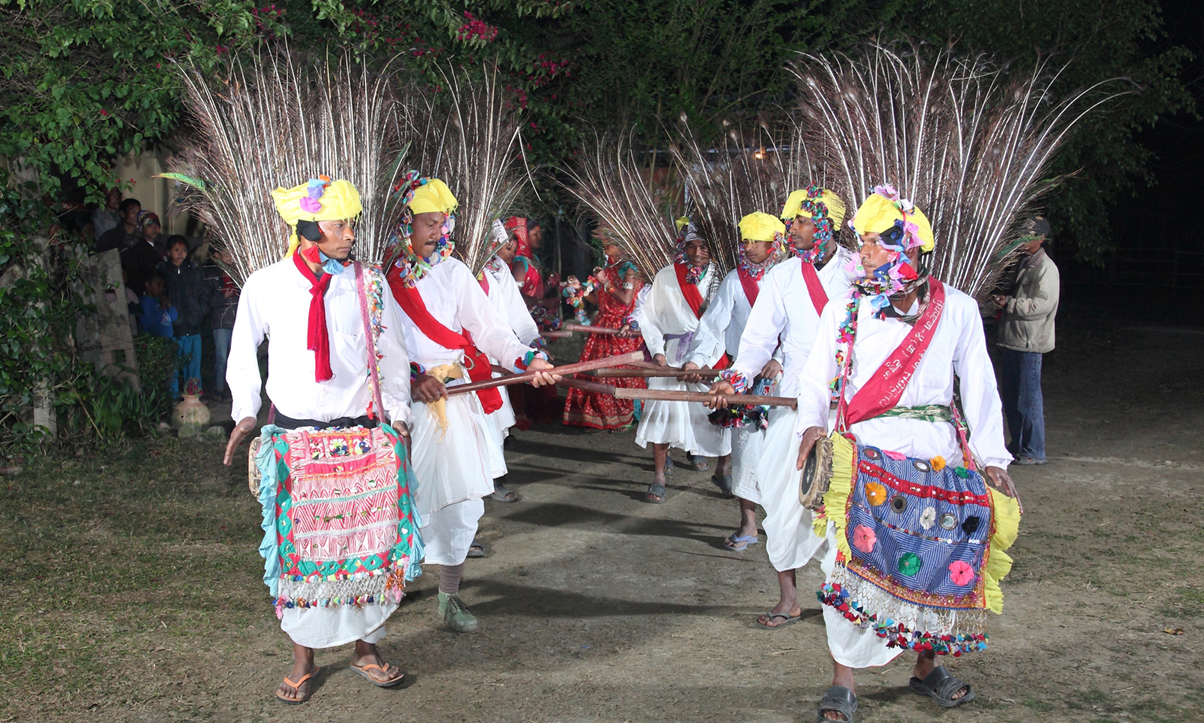
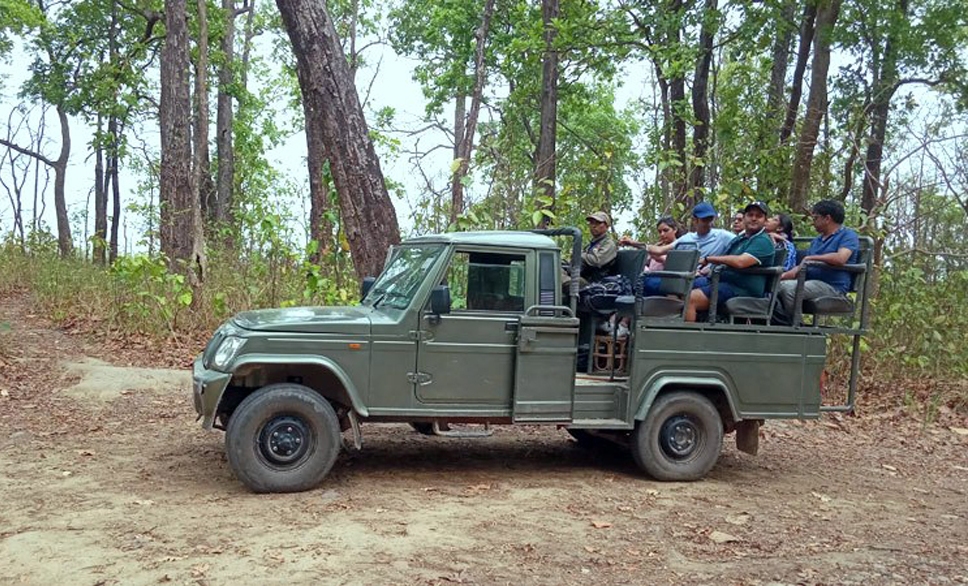
A visit to Bardiya National Park isn’t only about wildlife safaris—it’s also an opportunity to immerse you in the rich cultural heritage of the Tharu community, the indigenous people of the Terai region. These experiences add depth to your trip and help you connect with the local way of life.
Tharu Village Tours: Walk through traditional Tharu villages to see mud and thatch houses decorated with beautiful hand-painted motifs. Engage with locals to learn about their daily routines, farming practices, and age-old traditions passed down through generations.
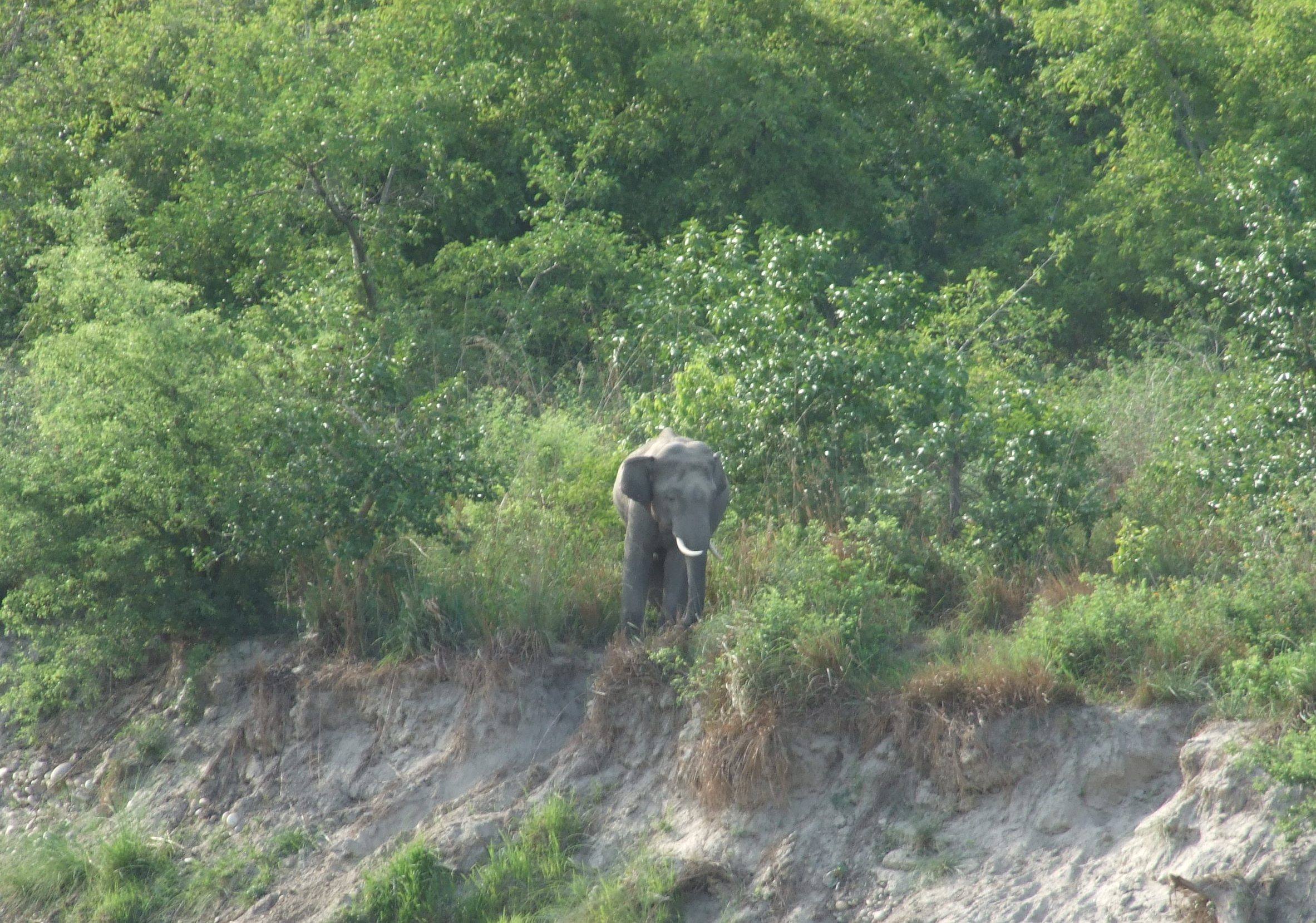
Tharu Cultural Dance Performances: Enjoy vibrant cultural shows featuring traditional Tharu dance and music. Performances often depict themes from nature, wildlife, and local folklore, accompanied by rhythmic drumming and colorful costumes.
Local Cuisine Tasting: Savor authentic Tharu dishes such as Dhikri (steamed rice flour dumplings), Bagiya (rice cakes), and freshly prepared fish from nearby rivers. Many homestays and resorts offer traditional cooking demonstrations.
Handicraft Workshops: Participate in or observe the making of Tharu handicrafts, including woven baskets, mats, and decorative items made from natural materials like bamboo and grass.
Traditional Fishing and Farming Practices: Join locals in seasonal fishing activities in rivers and ponds, or learn about traditional farming methods used for rice, lentils, and vegetables.
Cultural Festivals: If you visit during major festivals like Maghi (Tharu New Year) in January or Dashain and Tihar, you can witness colorful celebrations filled with rituals, music, and communal feasts.
Unlike high-altitude treks in Nepal, acclimatization is not a concern in Bardiya National Park since it lies in the lowland Terai region. The park’s altitude ranges from around 150 to 400 meters above sea level, making it warm and tropical throughout the year.
Instead of altitude challenges, visitors may need to adapt to the climate—hot days, humid conditions, and cooler mornings or evenings depending on the season. It usually takes a day to adjust to the warmer temperatures, especially if you’re arriving from Kathmandu or higher Himalayan regions.
To stay comfortable during your Bardiya trip:
Bardiya is more about climate adjustment than altitude acclimatization, ensuring your safari experience remains safe, enjoyable and relaxed.
Bardiya National Park is not only rich in wildlife but also surrounded by the vibrant culture of the Tharu community, the indigenous people of the Terai region. Exploring their traditions and festivals adds a cultural charm to your jungle safari.
The Tharu people are known for their unique customs, colorful attire, traditional dances and beautifully decorated mud houses. Visitors can experience warm hospitality, taste authentic Tharu cuisine, and witness cultural performances that reflect their deep connection with nature and community life.
Major Festivals Celebrated:
Experiencing these festivals while visiting Bardiya offers travelers a deeper cultural immersion, blending wildlife adventure with the living traditions of the Terai.
Packing smart for Bardiya National Park ensures comfort, safety, and the best chance of enjoying your jungle safari experience. Here’s a checklist to guide you:
Clothing:
Accessories & Gear:
Health & Safety Items:
Optional Items:
Travel insurance is essential for your Bardiya Jungle Safari as it safeguards you from unexpected situations such as illness, injury, or trip cancellations. Jungle safaris can involve challenges like rough terrain, unpredictable weather, and limited medical facilities nearby. A good insurance plan ensures access to emergency medical care, evacuation services if required, and compensation for lost belongings or travel delays. With reliable coverage, you can explore Bardiya’s wildlife and landscapes with complete peace of mind, focusing on the adventure rather than the risks.
Nepal
4 Days
Moderate
Jungle Safari Tour
Kathmandu
Kathmandu
1564m (Banspani Peak)
Lodges / Hotels
Breakfast, Lunch, Dinner
2 to 20
Spring (March–May) & autumn (September–November)
National Park Entry