

Nepal luxury travel occupies a wide price range. A “luxury package” from one operator might mean a business hotel in Kathmandu and a comfortable lodge in Pokhara. From another, it means helicopter access through the Khumbu, private Tharu cultural experiences in Chitwan, and a chartered flight over Everest.
Understanding what you are paying for, and why the range spans USD 2,000 to USD 20,000 for a 10-day trip, makes it easier to plan a journey that matches what you actually want from Nepal.
The major cost categories
Flights
International flights to Kathmandu from Europe or North America typically run USD 700 to USD 1,800 return, depending on routing and season. From the Middle East or South Asia, fares below USD 500 are common.
Domestic flights within Nepal add cost but often save days. The Kathmandu-Lukla route, gateway to the Everest region, costs around USD 200 one way. Kathmandu-Pokhara runs USD 80-120. Helicopter charters for private transfers to remote trailheads run USD 600-2,500 per flight depending on aircraft and route.
Accommodation
This is where the cost differences become most significant.
Kathmandu’s top tier includes Dwarika’s Hotel at USD 250-500 per night, Hyatt Regency at USD 150-350, and Pavilions Himalayas near Pokhara at USD 400-700. These are genuinely international standard.
On trek routes, the picture is different. Standard teahouses cost USD 5-20 per night. Mountain Lodges of Nepal properties on the Everest and Annapurna circuits run USD 200-400 per person per night on an all-inclusive basis. The gap between the two is not just comfort. It is running hot water, en suite bathrooms, heated dining rooms, and food that has not been cooked on a kerosene flame.
Guide and staff
A licensed trekking guide costs USD 25-40 per day. An experienced senior guide with language skills and cultural depth costs more. For luxury itineraries, Hawkseye assigns senior guides who have summited peaks or led high-altitude expeditions. The difference shows in the quality of interpretation and in decision-making when conditions change on the mountain.
Porter rates are separate: USD 15-25 per day per porter. On a private trek, a group of two typically brings two porters and one guide.
Permits
Permit costs depend on the region:
- Everest region (Sagarmatha National Park): NPR 3,000 (approximately USD 22) plus TIMS card NPR 2,000
- Annapurna Conservation Area: NPR 3,000 plus TIMS card
- Upper Mustang: USD 500 for 10 days (restricted area permit with genuinely limited access)
- Dolpo: USD 500-1,000 depending on the sector
Permit costs are modest relative to the total trip budget but require advance arrangement through a registered Nepal trekking agency.
Activities
Helicopter tours to Everest Base Camp run USD 1,100-1,300 per seat on shared charters, or USD 4,500-5,500 for a private helicopter. Cultural experiences, including private cooking classes, Newari architecture tours, and monastery visits with a scholar guide, run USD 50-200 per experience. Rafting on Class IV-V rivers near Kathmandu ranges USD 60-150 for day trips.
Nepal luxury travel cost: what a complete trip looks like
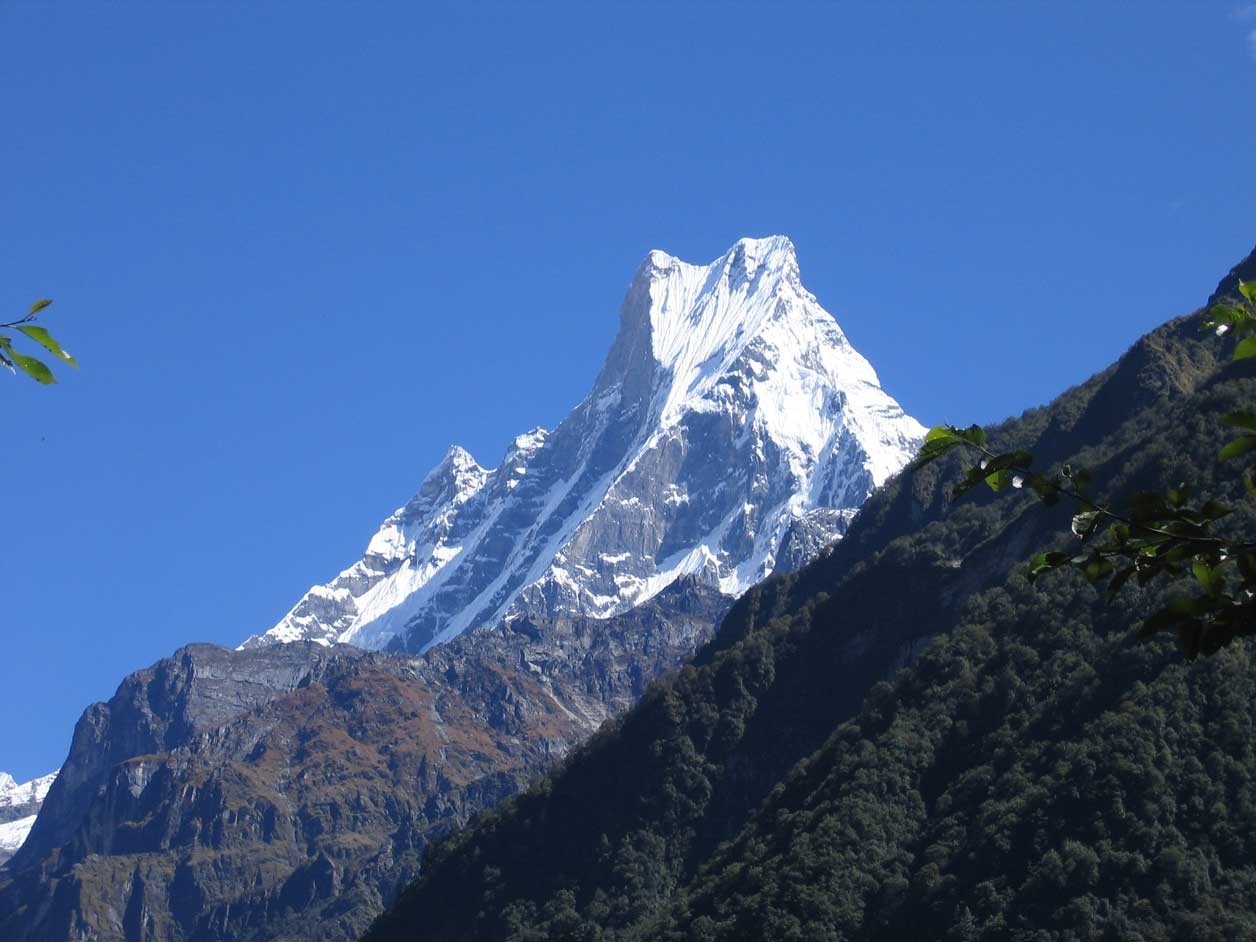
For reference, a 10-day private Nepal trip with Hawkseye Travels covering Kathmandu at Dwarika’s for three nights, Chitwan private safari for two nights, helicopter transfer to Pokhara for one night at The Pavilions, and an Annapurna foothills walk with mountain lodge accommodation for four nights falls in the USD 4,000-6,500 per person range, depending on flight costs and lodge selection.
Everest-focused itineraries with helicopter access and premium lodge accommodation run USD 5,000-9,000 for 10 to 12 days.
International luxury tour operators price the same style of itinerary at USD 12,000-25,000 per person. Same lodges. Same Himalayan terrain. Same permits.
What drives cost up
- Restricted area permits for Upper Mustang, Dolpo, or Manaslu
- Helicopter use for any segment of the trip
- Lodge accommodation on Everest or Annapurna routes, where supply is limited and prices reflect it
- Private vehicles and private game drives at every stage
- Small group size, since per-person cost rises as group size drops
What drives cost down
- Shoulder season travel in March-April or October, when weather is excellent and prices run 15-25% lower
- Longer itineraries that spread fixed costs across more days
- Road and flight transfers in place of helicopter access
- Booking six or more months in advance for premium lodge dates
Planning your Nepal luxury trip
Hawkseye Travels builds bespoke Nepal itineraries with no fixed group departures and no shared guides. Every trip starts from what you want to do, not from a template.
For a full breakdown of the best lodge properties on each route, see our guide to the best luxury lodges in Nepal.
For a full picture of Nepal’s regions and what each route offers, visit our Nepal destination page. Or contact the Hawkseye team to start building your itinerary.