
The answer most travel sites give you is October or March. They’re not wrong. But they’re answering for someone with a flexible schedule and a backpacker’s tolerance for whatever lodge is available. If you’re spending $5,000 or more on this trip, timing is not just about weather. It’s about what’s still available when you book.
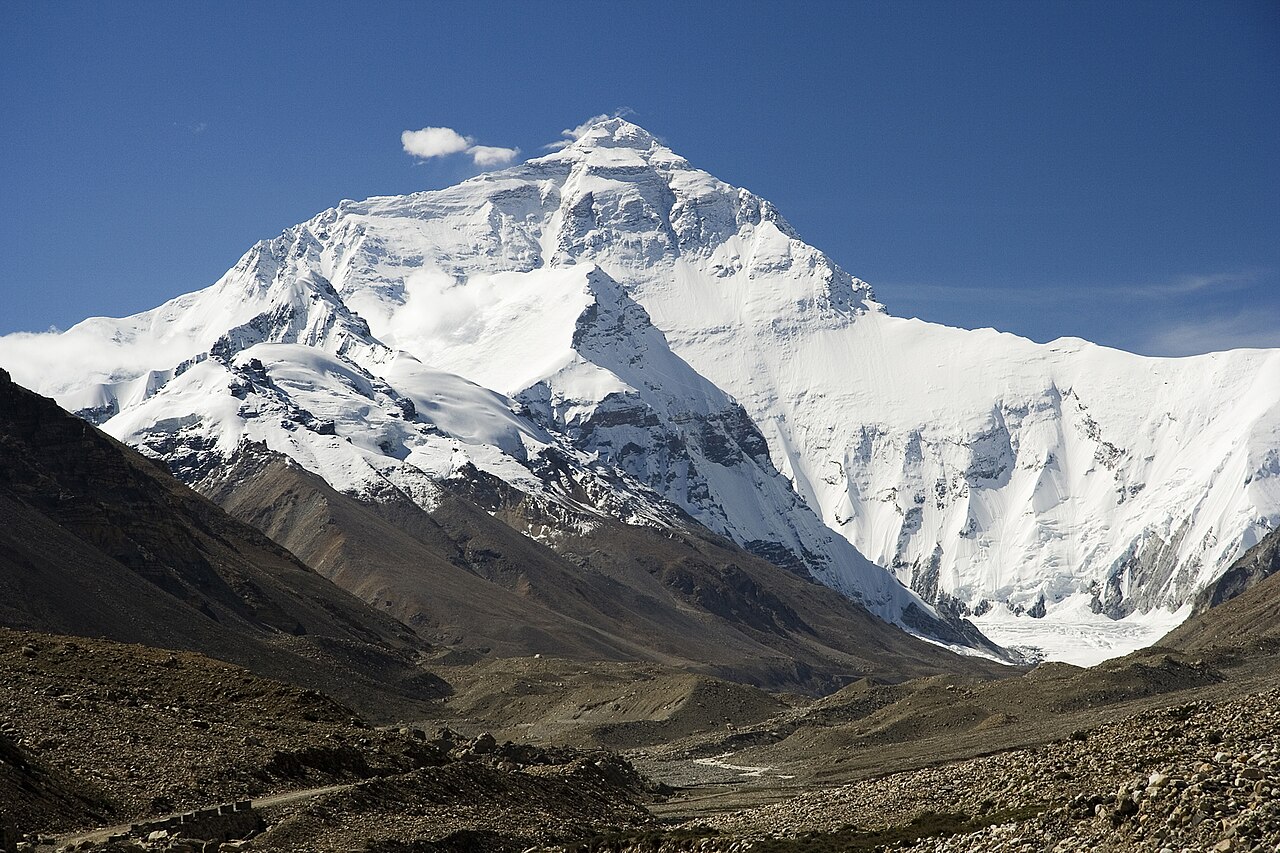
Premium guides in the Khumbu are committed a full year ahead for October and November. The finest mountain lodges run waiting lists by January for their autumn slots. The helicopter that saves your knees on the descent from Everest Base Camp — and returns two days to your itinerary — runs at over 90% reliability in autumn but shrinks to narrow morning windows once the monsoon arrives in June. This guide is for the buyer, not the browser.
The Short Answer (For Those Booking Now)
- October–November is the premium window. Best weather, full luxury service availability, highest helicopter reliability. Book 9–12 months ahead.
- March–April is the second window — rhododendrons in bloom, warmer days, fewer crowds than autumn. Read the wildfire note before you commit.
- December–February is underrated for city-based luxury. Kathmandu and Chitwan are at their best. High-altitude trekking is viable with preparation.
- June–August (monsoon) is not what most guides tell you. For certain luxury travellers, it has a specific case — covered below.
If you’re booking within the next three months for October or November, contact us now. First-choice lodges and senior guides may already be committed.
What Changes When You Add “Luxury” to the Question
A standard Nepal travel guide answers for someone who can sleep wherever has a bed free, take whatever guide is available, and walk down the mountain at the end. The seasonal advice they give — spring and autumn, avoid the monsoon — is broadly correct for that traveller.
A luxury Nepal trip works differently. You’re staying in a small number of purpose-built mountain lodges along specific routes, with a limited number of rooms and a limited number of guides who know how to deliver the experience at this level. Those resources fill in a particular order.
International operators charging $4,000–$8,000 per person book most of this capacity months in advance. Many of them subcontract to Nepali operators who hold the actual lodge relationships and employ the actual guides. When you add luxury to the question, you are no longer just choosing a season. You are competing for a slot in a fixed supply chain.
Autumn (October–November) — The Premium Window
What the experience actually looks like
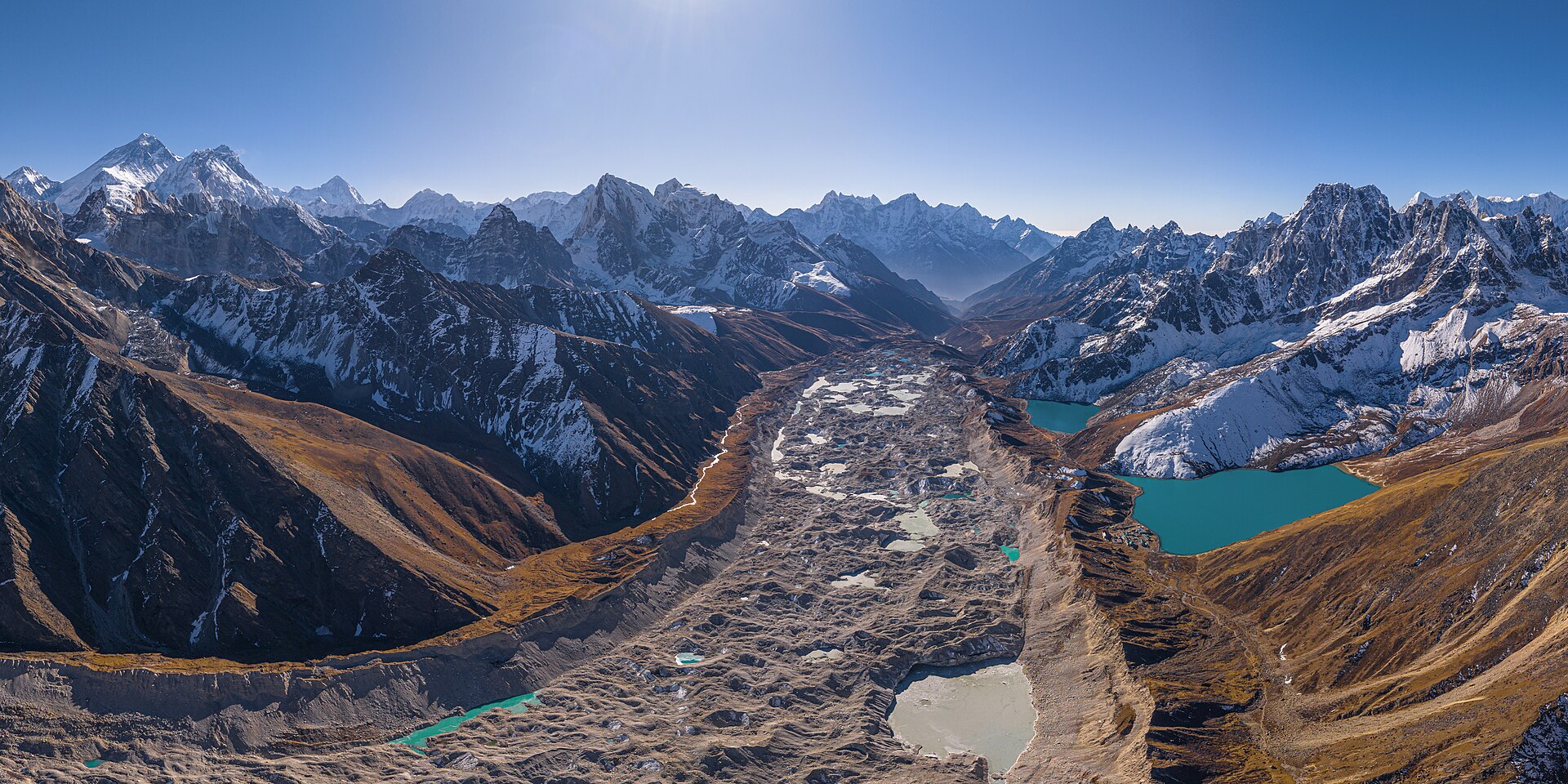
October in the Khumbu is the closest Nepal has to a guarantee. The monsoon clears in late September and what it leaves behind is air that feels almost rendered — sharp ridgelines, mountain detail at distances that feel impossible, trails at their most legible. In Kathmandu, the post-monsoon season coincides with Dashain and Tihar. Walking through neighbourhoods lit by oil lamps during Tihar, marigold garlands hung from every doorway, is the kind of travel moment that cannot be manufactured.
The booking reality
Mountain Lodges of Nepal properties are fully committed for October–November by late winter. The senior guides — the ones who understand altitude management, logistics, and the particular demands of a high-end client — are booked by returning clients a year or more ahead. Late bookings get what’s left.
If you contact us in February for October, we will do everything possible. The honest answer is that the best of everything is spoken for. April is easier to deliver well on short notice. October requires time.
Helicopter reliability in autumn
The helicopter return from Everest Base Camp operates at over 90% reliability in October and November. It remains weather-dependent regardless of season, but autumn gives you the highest probability of the flight running as planned, on the day it’s scheduled.
Spring (March–April) — Bloom Season, With a Caveat
Spring is Nepal at its most visually dramatic below the snowline. Rhododendron forests on the Annapurna approach and the lower Everest trails come into full colour in March and April. Temperatures are warmer than autumn. Crowds on the major routes are lighter than October. For those who find autumn too predictable, spring has a genuine case.
What the rhododendrons don’t mention
Climate change has altered the spring picture in a way that was not true five years ago. Wildfires — more frequent, more severe, beginning earlier in the season — now produce smoke that affects Kathmandu air quality from March onward and reduces mountain visibility on affected days. This is not a reason to avoid spring entirely. It is a reason to understand the trade.
On clear days in spring, you may still get the visibility you came for. On haze days — and since 2023 there are more of them — the Himalayan backdrop can disappear behind a white sky. A luxury trip built around mountain photography in spring carries a risk that the same trip in October does not.
Who spring is right for
Spring works well for Chitwan wildlife experiences, cultural tours in the Kathmandu Valley, and lower-altitude trekking. If the high mountain view is your primary objective, autumn is the stronger choice. If the journey — the flora, the warmth, the lighter trails — matters as much as the summit view, spring is worth it.
Monsoon (June–August) — The Overlooked Luxury Season
Most travel guides tell you to avoid Nepal in the monsoon. Most travel guides are not writing for luxury travellers with specific requirements.
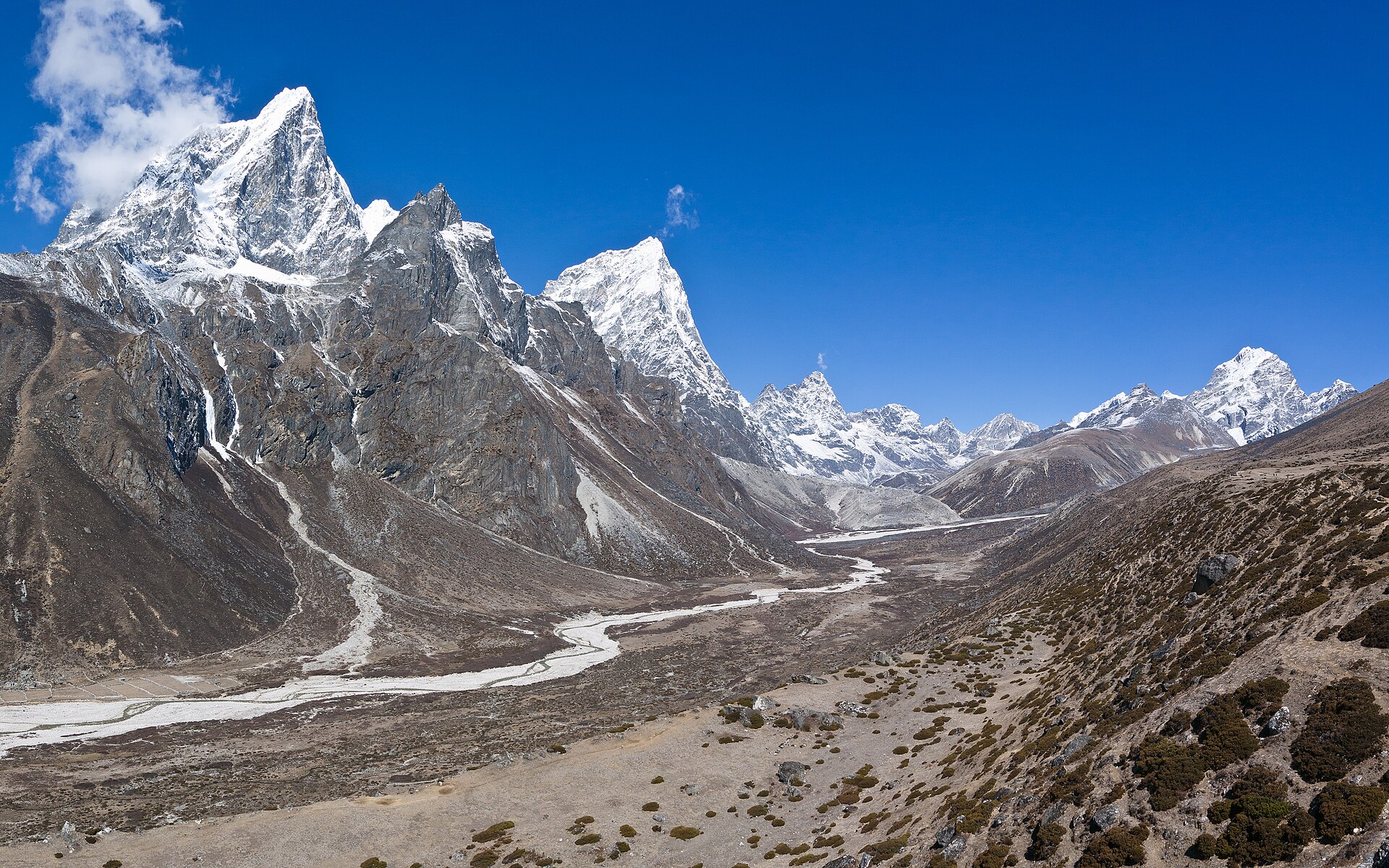
During June, July, and August, Nepal’s premium mountain lodges are operating at a fraction of their peak capacity. Significant discounts are available. You can have a lodge that fills months ahead in October nearly to yourself. The landscape is extraordinary: lush, green, heavy with cloud, unlike anything the autumn photographs show.
What near-empty lodges actually means
No competition for the best rooms. No queue at teahouses. Guides available with genuine notice rather than a year of planning. The transaction is quieter and, in many ways, more personal. Helicopter services are still viable in this window, but only in the early morning before the clouds build. Any helicopter-dependent itinerary in monsoon requires flexibility and an acceptance that the flight may shift by 24 hours.
What you give up
Visibility. The mountains are frequently obscured. Trails above 4,000 metres are wet; below that, leeches. This is not the window for a traveller whose primary objective is to look at Everest.
Winter (December–February) — City Luxury at Its Best
December through February is underrated, and specifically underrated for Kathmandu.
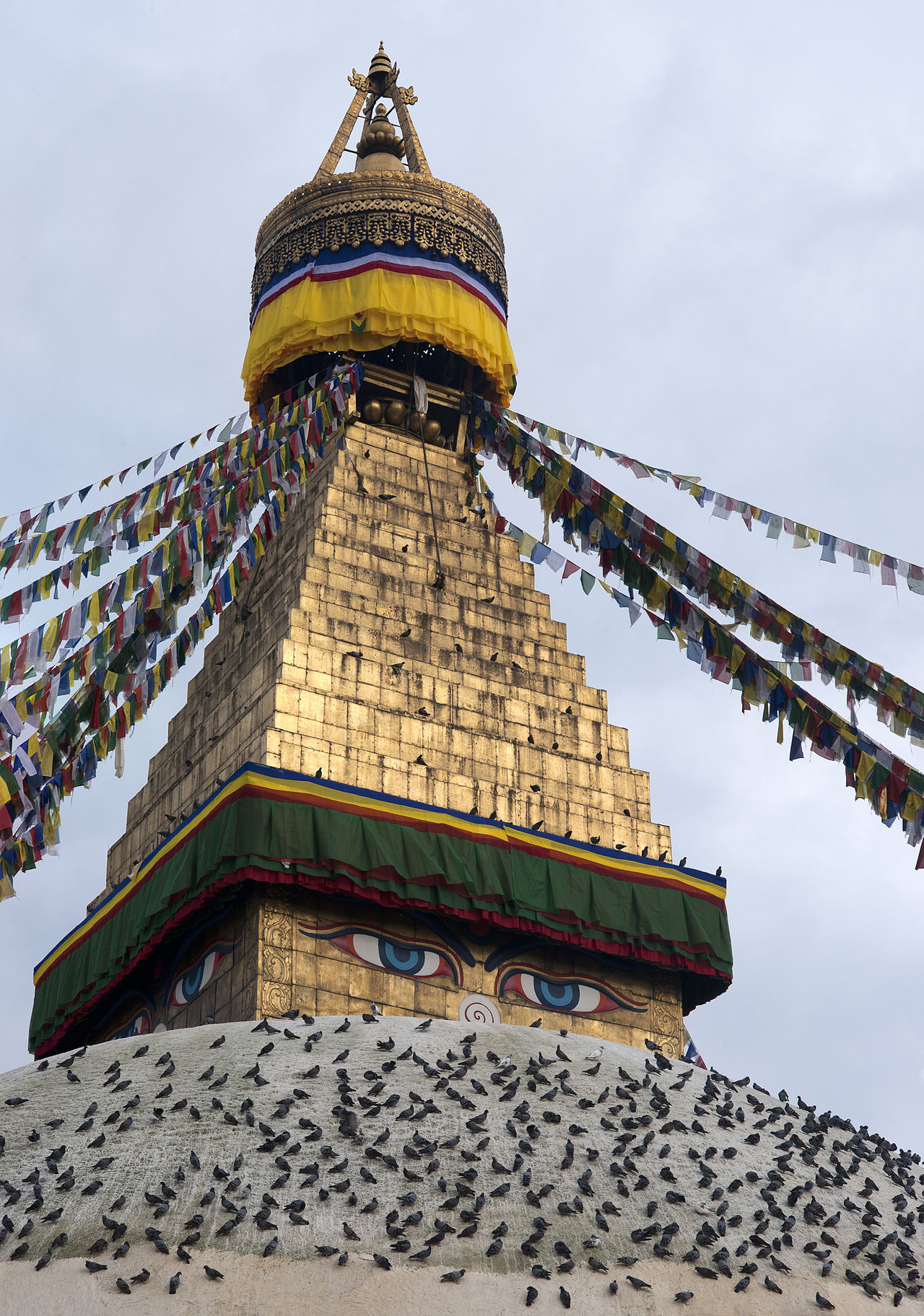
The city in winter is at its clearest. Dwarika’s Hotel — one of the few hotels in the world where arrival is itself the experience — is best walked into on a clear winter morning when the heritage courtyards hold a particular stillness. Chitwan National Park in this period is in its prime for wildlife: the tall grasses are cut after October, opening sight lines simply not available in the wet months.
Kathmandu in winter surprises many visitors who anticipate mountain cold. At 1,400 metres, midday in December calls for a t-shirt. Evenings call for a layer. The altitude shock, if it comes, tends to arrive when you push higher.
For high-altitude trekking, winter is viable but requires preparation. Above 4,500 metres, cold and snow are constants. What winter offers in return is fewer people and, on clear days, Himalayan visibility that even October cannot always match — the air is cold enough to hold no moisture at all.
What “Luxury” Actually Means at Altitude
Below 3,000 metres — Kathmandu, Pokhara, Chitwan — luxury in Nepal looks like luxury anywhere. Attached bathrooms, room service, quality linen, heated rooms, menus with real choice.
Between 3,000 and 4,500 metres, the definition shifts. The best rooms are larger, warmer, better positioned. Hot showers exist — solar or gas-heated, sometimes lukewarm, always available. You eat from a menu rather than a shared pot. A skilled guide makes the difference between a difficult night at altitude and a managed one.
Above 4,500 metres, the mountain makes its own rules. Hot water arrives in a bucket at the better lodges. Heating is your sleeping bag. At 5,000 metres, even the finest accommodation is basic. The luxury at this altitude is not the room. It is the guide who knows when to push and when to stop, who ensures you are warm, fed, and moving correctly through the altitude.
A luxury Nepal trip above base camp elevation should be understood as: comfort where it is possible, expertise where it isn’t. The travellers who understand this before they arrive tend to have the better time.
Practical Booking Guide by Season
| Season | Booking Window | Lodge Availability | Senior Guide Availability | Helicopter Reliability |
|---|---|---|---|---|
| Oct–Nov | 9–12 months | Fills by January | Booked year ahead | 90%+ |
| Mar–Apr | 4–6 months | Good from January | Good availability | ~85% |
| Dec–Feb | 2–4 months | High flexibility | Available with notice | ~80% |
| Jun–Aug | 2–3 months | High — with discounts | Readily available | Early morning only |
Common Questions
Is spring or autumn better for Nepal luxury travel?
Autumn is more reliable for the full luxury experience — better visibility, better helicopter reliability, more consistent lodge performance. Spring is worth considering if you value the rhododendron season or prefer lighter trails. Factor in the wildfire smoke risk before committing to March or April.
How far in advance should I book a luxury Nepal tour?
For October and November, 9–12 months is the honest answer if you want first-choice lodges and senior guides. For other seasons, 3–6 months is generally sufficient. The more specific your requirements, the earlier you should reach out.
Can I do a luxury trip to Nepal during monsoon?
Yes, with adjusted expectations. Monsoon is not for summit views or helicopter-heavy itineraries. It is excellent for cultural tours in the Kathmandu Valley, Chitwan wildlife, and travellers who want the mountain lodges at a fraction of peak capacity. Some of the most personal itineraries we have built have been for June and July.
Do wildfires affect Nepal trekking in spring?
Since 2023, more than they did previously. Smoke from lowland wildfires affects Kathmandu air quality from March onward and can reduce Himalayan visibility on affected days. It follows a seasonal pattern but is unpredictable by exact date. If mountain photography is your primary objective, autumn carries less of this risk.
Plan Your Nepal Journey with Hawkseye Travels
Hawkseye Travels has operated in Nepal, Tibet, and Bhutan for over 20 years. Every itinerary is built around what is genuinely available when you travel — the right lodge for your window, the guide who knows that route in that season, and an honest conversation about what to expect above 4,000 metres.
If you’re considering Nepal and want to talk timing before you commit, start with a conversation. We’ll tell you what’s realistic for the dates you have in mind, and what we’d suggest instead if something better is available.
Also read: Luxury Nepal Tours | Luxury Everest Base Camp Trek | Luxury Annapurna Circuit Trek | Private Tours in Nepal